

Problem-Driven: Where Time Leaks and Quality Slips
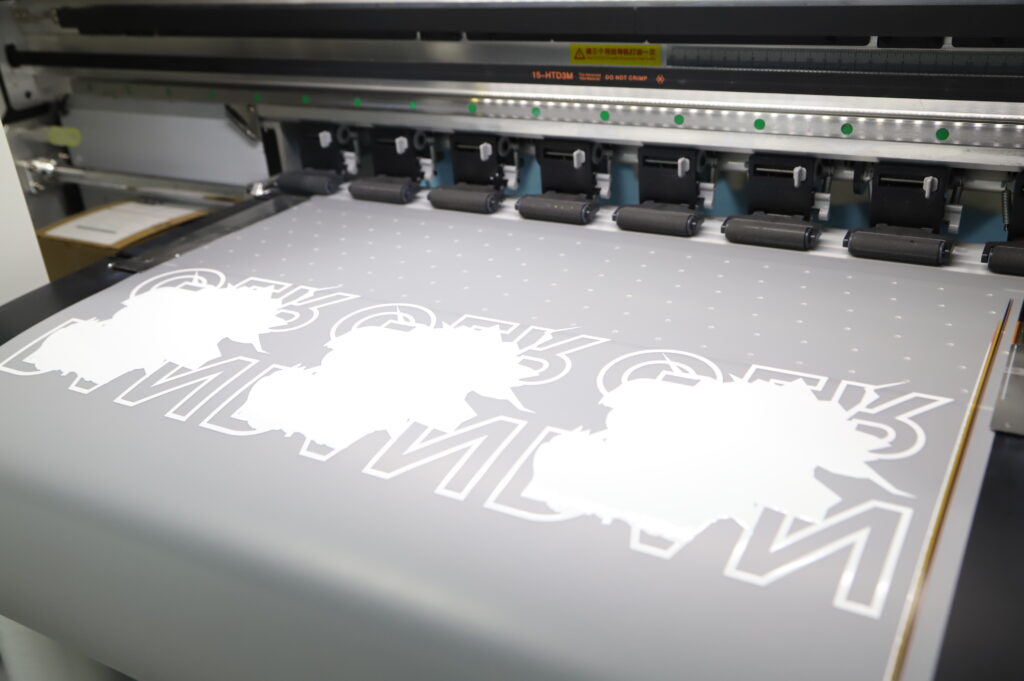
At 6:40 a.m. last August in Queens, I stepped into a shop that smelled like warm vinyl and burnt espresso, the kind of morning that clings to your jacket. A rush order sat waiting—18 poly-cotton hoodies, timers stacked at 45 seconds each—could a dtf printer finally stop the line from choking? I’d been fighting the same drag for months: slow cures, white ink clumps, and lost minutes that felt like hours. So I pivoted to a 24in dtf printer, and I treated it like a station on the line, not a magic box. Ink had to roll like cream, powder like fine sugar, and the press had to hiss—quick—without cooking the garment.

Here’s what broke the logjam. First, white ink circulation that actually runs (not pretend pulsing) kept nozzles open through a three-hour streak; nozzle recovery dropped to once a week. Second, consistent hot-melt powder behaved at 130–140°C with a steady grain—no frosting, no gummy edges—so edges stayed sharp. Third, a clean RIP software queue with locked ICC profiles cut my “why is this cyan?” moments to near zero. That day, we trimmed heat-press dwell from 45 to 15 seconds, saving 42 minutes on the stack—no kidding. The deeper sting wasn’t speed alone, though. It was waste: misfires from poor profiling, blotchy whites from humidity swings, and re-presses when film curled like an over-toasted flatbread. Those are the leaks you don’t see until the bin is full.
Comparative Insight: Why 24 Inches Hits the Sweet Spot
Real-world Impact
Hold that thought—scale changes the flavor of every step. I’ve run 13-inch desktop rigs, the 24in dtf printer class, and hulking 44-inch units. The 13-inch models feel quick at first, then stall when you queue adult sizes in mixed runs; sheet swaps pile up, and your operator turns into a juggler. The 44-inch beasts fly, but they eat floor space, call for strict humidity control, and punish you on idle days with white ink settling. The 24-inch lane threads that gap. Two-up gang runs fit most tee bodies, media stays manageable, and powder/oven temps hold steady without fussy dance steps. Wait. One more thing—I’ve watched color drift vanish when the RIP locks a single device link across all sizes; consistency beats brute force every time.
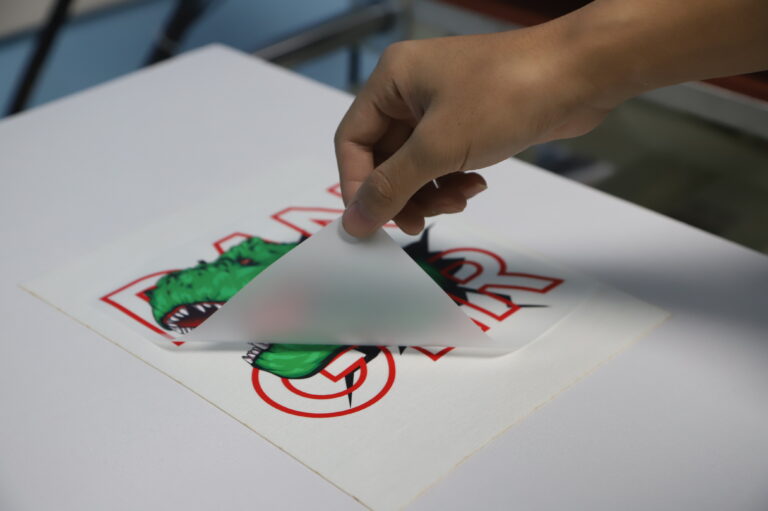
Looking ahead, I expect three shifts: smarter white ink management that self-agitates by zone (less sludge, fewer purges), RIP throughput that prioritizes gang sheets by cure window, and compact ovens that map heat like a pizza deck—edge to edge, no cold slices. Compared with smaller and larger formats, a 24-inch platform adapts faster to short-run variability while still hitting weekly quotas. In my log from October 2023—Brooklyn, night shift—we held 96% first-pass yield on 220 prints, mostly dark tees. The kicker was not raw speed; it was predictable film laydown and even powder melt, job after job.
Here are the three metrics I tell wholesale buyers to check before they sign anything: 1) White ink system stability—true recirculation and agitation frequency, plus the real cost of a cap top and dampers over 1,000 prints. 2) RIP control—profile locking, queue batching, and gang-sheet nesting that doesn’t break your color; test a neon red and a deep navy under the same ICC profile. 3) Heat and powder consistency—zone-mapped temps and a repeatable 15–20 second press that seals without gloss halos. If a unit nails those, the rest is tuning. You’ll taste the difference in cleaner edges, quieter presses, and less bin shame—yeah, that bin. I stand by these checks because they’ve saved me hours I can measure, shirts I can count, and customers I still have. Xinflying