

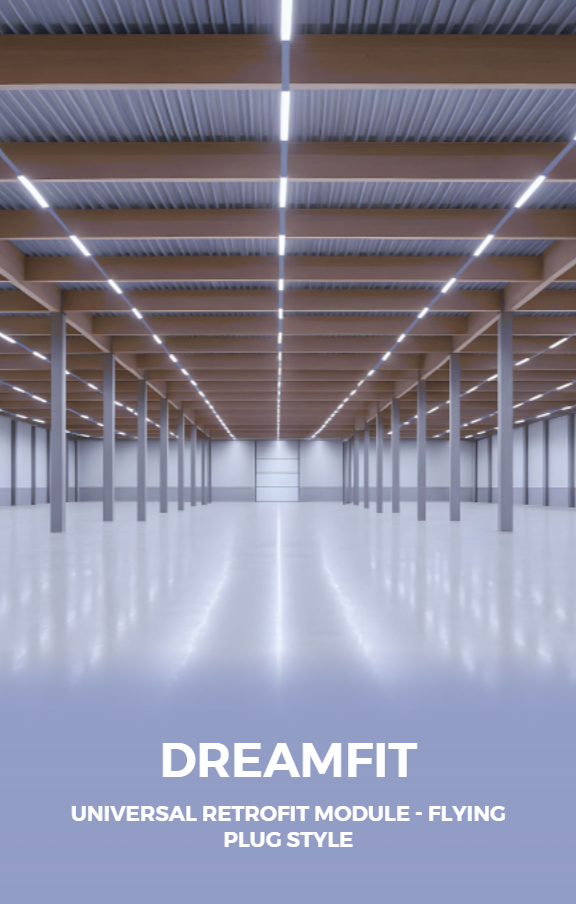
Problem: Lighting that fails where it matters
Big factories and small workshops, same headache — lights go dim, bulbs break, dust collects, and maintenance stops production, kan? The immediate problem is not just brightness but durability and serviceability. For areas with long runs and frequent reconfiguration, switching to led light trunking helps reduce wiring chaos and makes maintenance less painful, lah.
Why triproof format answers practical needs
Triproof lights are built to resist dust, splashes, and impact, so they solve three factory problems at once: fewer failures, safer floors, and less cleaning of fixtures. For real operations — think high-ceiling assembly lines and storerooms — triproof reduces downtime because you change fewer units and you change them faster. This is why many facilities classify triproof as standard for factory lighting, especially where cleanliness and uptime determine output.
Concrete checks before you pick a model
Experience tells me maintenance teams look for specific specs, not marketing words. Check these points first:- IP rating: IP65 or above for dusty, wet zones.- Lumen output: match target lux levels for the work task.- Color temperature: 4000K–5000K for clear visibility on production lines.- Serviceability: replaceable LED modules or accessible wiring.- Mounting options: surface, suspended, or trunking compatibility.Address these and you avoid costly retrofits later — very common mistake is buying “bright” lights without matching lumen distribution to the work plane.
Common mistakes that cause the headaches
People pick cheapest, then regret. Typical errors I see:- Underestimating ambient heat and choosing fixtures without heat management.- Ignoring glare control near inspection stations.- Lax IP choice for wash-down areas.- Forgetting spare parts logistics — spare modules must be same bin on shelf.Avoid these, and your triproof installs work for years, not months.
Where triproof fits vs alternatives
Comparing options — linear LED, high bay, and triproof — think function first:- High bay: best for very high ceilings where focused beams needed.- Linear LED: good for offices, less rugged.- Triproof: best for mid-to-low ceilings with dust, splash, or risk of impact.So, choose triproof when you need rugged, even light and fast maintenance cycles. In practice, mixing types across a plant often gives the best results: high bay for racking aisles, triproof for production areas.
Practical installation tips from the floor
From working with maintenance teams in the Penang industrial zone, installers prefer trunking-ready triproof for modular rows. Do this:- Map rows to trunking runs to cut trunk joints.- Balance circuits so a single trip doesn’t darken large zones.- Label modules and keep simple spare kits on-site.These choices reduce interruptions and make maintenance predictable, not chaotic.
Final synthesis
Problem-first thinking shows triproof is not trendy accessory — it is a practical fix where dust, splashes, and easy servicing matter. Match IP, lumen distribution, and mounting to the task, avoid cheap short-term buys, and plan spares and circuits. For factories and commercial areas that need reliable, serviceable lighting, solutions from trieco fit the requirement without overcomplication.