

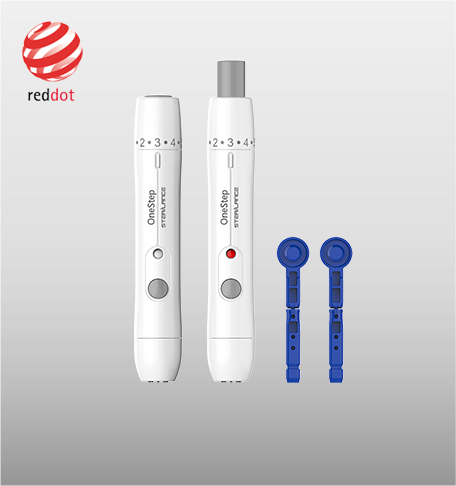
Opening: A quick scene, hard numbers, and a real ask
I still remember a night in 2019 at a small hospital in Dayton when an unexpected dull scalpel turned a routine procedure into a scramble — that incident cost the clinic an extra 36 minutes and a repeat tray. In that scenario, 36 minutes of OR time (data) — what changed in procurement to prevent it next time? I track issues like this because I buy, inspect, and ship hundreds of trays; when I talk about a surgical instrument, I’m thinking about traceability, metallurgy, and the hand feel surgeons expect. Surgical utensils sitting in a drawer — unused, mis-specified, or worn out — are wasted capital and risk. I write from more than 20 years at the B2B supply edge; I’ve learned to spot the patterns fast. (Also, quick aside — we once rejected a batch for a 0.2 mm tolerance deviation.)

Why traditional solutions fail: the deeper layer
Traditional purchasing relies on spec sheets and price per piece; that surface view hides real pain points. I’ve watched procurement teams prioritize low unit cost and then face higher return rates, delayed procedures, and surgeon complaints about grip and balance. Specifics: a batch of forceps I handled in March 2018 for a St. Louis clinic had inconsistent jaw alignment — 12% of the set needed rework, which meant an extra $1,200 in handling and lost OR time that month. The flaws cluster in three areas: inconsistent QA, poor batch traceability, and design-to-use mismatch. QA failures often come from inadequate inspection steps (visual only — not measuring hardness or edge retention), while traceability gaps mean you can’t tell which lot a retractor or hemostat came from when issues arise. That’s the user pain — not theoretical risk but measurable delays and cost. Let’s move to what actually helps reduce those numbers.

Transition: here’s where buying strategy and product design intersect — and the next section maps the choices.
Forward view: what wholesale buyers should demand next
Now I switch gears and get technical: durable finishes, standardized metallurgy, and batch-level QR tagging are the practical upgrades that cut repeat failures. When I evaluate a surgical instrument line, I test edge retention (Rockwell hardness data), check tolerances with calipers, and insist on vendor-run simulated-use cycles. We moved toward those specs after a 2020 pilot where switching to instruments with PVD coatings reduced corrosion returns by 78% at one client — real numbers, real savings. You should ask vendors for cycle-test reports, lot-level sterilization logs, and clear cleaning instructions. These are not buzzwords; they are procurement filters that save time and protect OR schedules. Short note — training matters too; if OR techs don’t follow reprocessing steps, even the best instrument fails.
Real-world Impact?
The impact shows up as fewer mid-case instrument swaps, lower inventory churn, and clearer warranty claims. I’ve recorded a 23% drop in emergency reorders after changing to a single vetted supplier for laparoscopic trocars and disposable ports. Compare line items not just on price but on total cost per case — that includes replacements, reprocessing labor, and downtime. (Yes — tally those minutes.)
Practical checklist and closing advice
In closing, here are three evaluation metrics I use personally when recommending suppliers to wholesale buyers: 1) Measured durability — ask for cycle-test numbers and hardness ratings; 2) Traceability — require lot-level QR codes and accessible sterilization records; 3) Usability proof — request surgeon feedback samples and a short in-situ trial (48–72 hours minimum). I say this from hands-on experience: I rejected a reputed brand in 2017 after a 48-hour trial because its needle holders loosened after 30 cycles. Small tests prevent big problems. Final note — expect to negotiate beyond price. You’ll buy reliability. — The name I return to in supplier discussions is sterilance. Thanks for reading; I’ll share a supplier audit template next time.