

User-centered priorities driving adoption
The shift toward portable ventilators reflects a simple, patient-centered reality: many people need reliable respiratory support outside hospitals. Devices that are lighter, less noisy, and easier to fit to a patient’s lifestyle reduce anxiety and support recovery at home; they also pair well with complementary equipment like a cpap device for patients with overlapping sleep-disordered breathing needs. Clinicians and caregivers value portability because it preserves dignity—fewer transfers, shorter clinic visits—and because it lowers exposure to acute-care settings for vulnerable populations.
Clinical trade-offs that matter to users
Portability is not just size and weight. It interacts with clinical features: battery life, pressure settings, and the ability to deliver targeted tidal volume all affect safety. For example, a compact unit with limited battery runtime can support daytime mobility but may need a backup for overnight use. Mask interface comfort and humidifier compatibility influence adherence for weeks and months of therapy—so these are not nice-to-haves; they are clinical levers that shape outcomes. The World Health Organization notes chronic respiratory diseases such as COPD rank among the top causes of global mortality, which underscores how many lives hinge on dependable, user-friendly solutions.
Where portable ventilators change care pathways
In practice, these devices alter where and how care happens. During the COVID-19 pandemic, many health systems used portable ventilators for step-down and home-based care to free hospital capacity. That experience exposed clear benefits: faster discharges, fewer readmissions when follow-up was structured, and better psychosocial recovery when patients remained in familiar surroundings. Rural clinics and home-care agencies relied on oxygen concentrators and portable ventilators to bridge service gaps—small machines, big impact.
Design considerations from a caregiver viewpoint
Care teams rarely prioritize aesthetics; they prioritize utility and predictability. Durable casings that survive ambulance transfers, intuitive controls so non-specialist staff can set pressure safely, and clear alarms that don’t cause alarm fatigue—these features reduce errors and conserve nursing time. Training remains essential—brief bedside coaching reduces misuse markedly. —A quick demonstration often prevents a day of troubleshooting later.

Alternatives and complementary tools
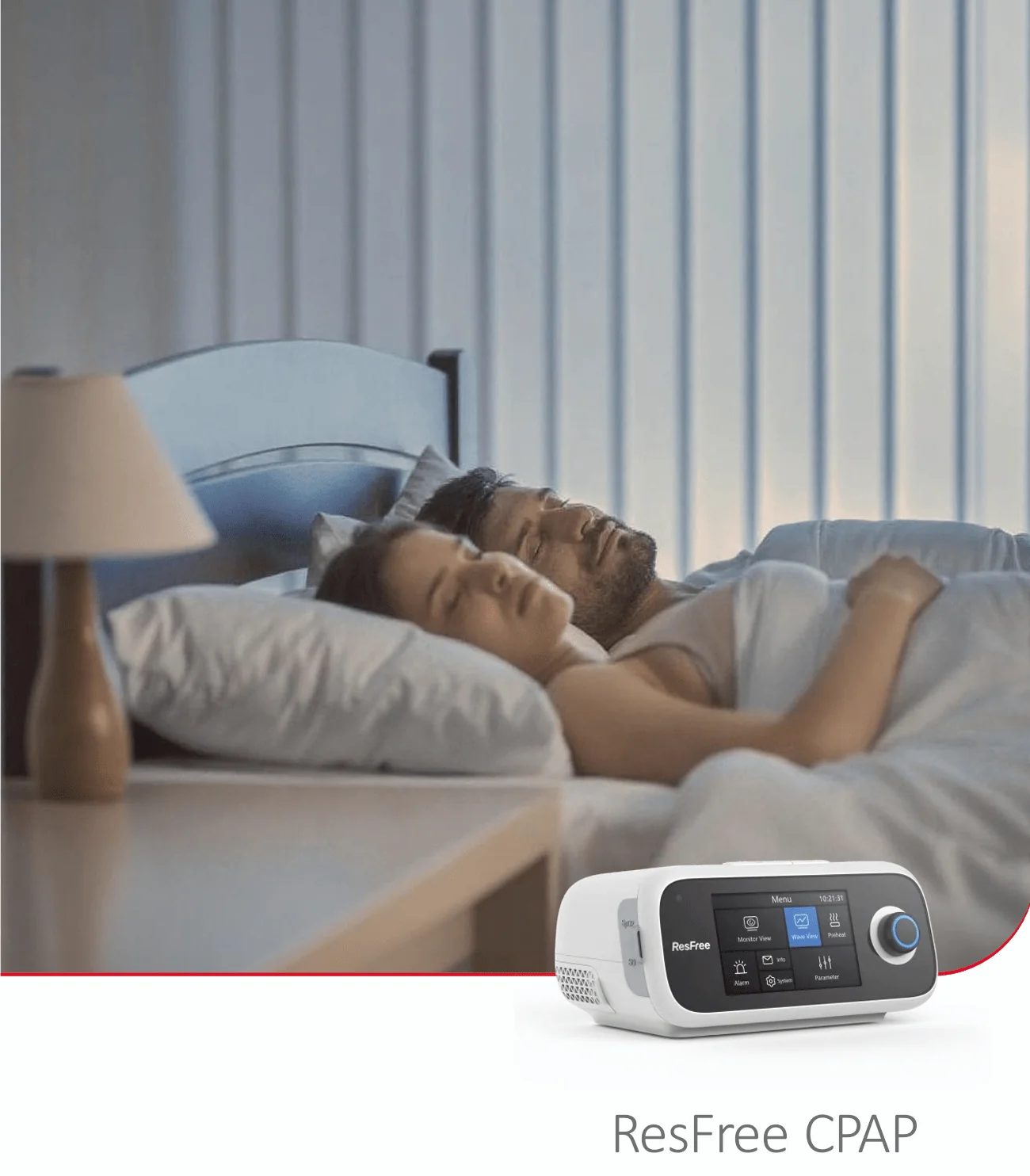
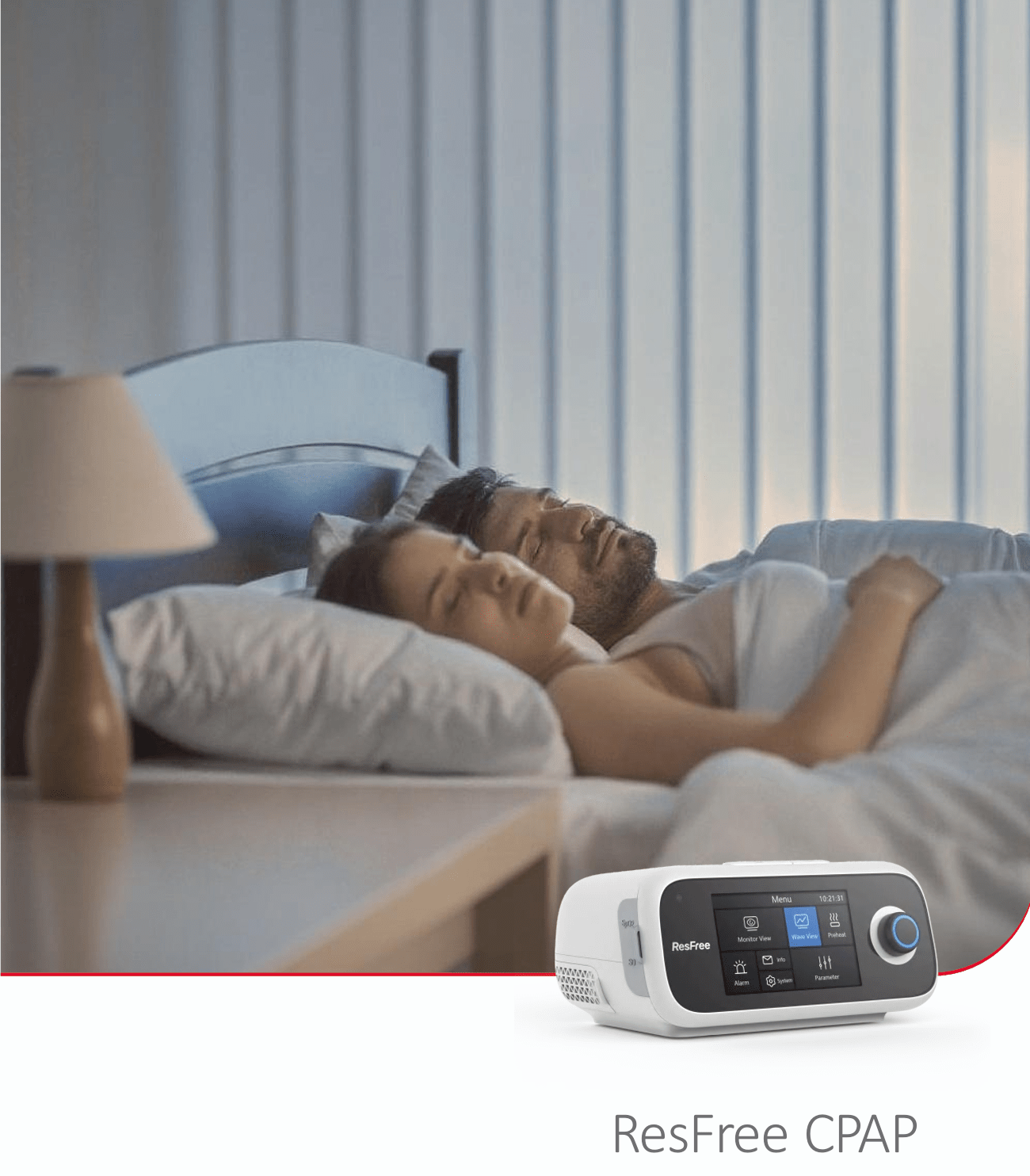
Not every patient needs the same device. Non-invasive ventilation, bi-level ventilation modes, and CPAP-style therapy form a spectrum. For patients whose primary issue is obstructive sleep apnea or borderline nocturnal hypoventilation, a cpap machine may suffice or work alongside a ventilator during transitions. Device selection should map to objective metrics (blood gas trends, AHI for sleep disorders) and patient goals like mobility or speech preservation.
Three golden rules for choosing the right portable ventilator
1) Match capability to clinical need: confirm the device supports required modes (e.g., pressure control, volume control, or bi-level ventilation) and can deliver the tidal volume and inspiratory support your patient needs. 2) Test in the real environment: verify battery life under typical use, check mask interface fit for comfort, and confirm humidifier compatibility. 3) Plan for continuity: ensure spare batteries, a clear alarm escalation plan, and caregiver training are in place. These three metrics—clinical fit, operational endurance, and continuity planning—predict whether a portable solution will actually improve outcomes.
Practical next steps and closing thought
Providers should document device performance during the first week of home use and report any deviations in gas exchange or sleep indices. Anchoring decisions to objective measures and patient-reported comfort prevents avoidable rehospitalization. Choosing wisely means balancing clinical parameters with lived experience; the machines must support life, not complicate it. Naturally, vendors that combine rigorous testing with effective training reduce risk—this is where thoughtful partnerships matter, and where a supplier like Byond can fit into a sustainable care plan.
Three quick evaluation metrics: clinical-mode coverage, operational endurance, and handover readiness—use these every time you select equipment. Solid choices save time, money, and lives. —Practical, patient-first judgment wins.