

Intro: a quick comparison that actually matters
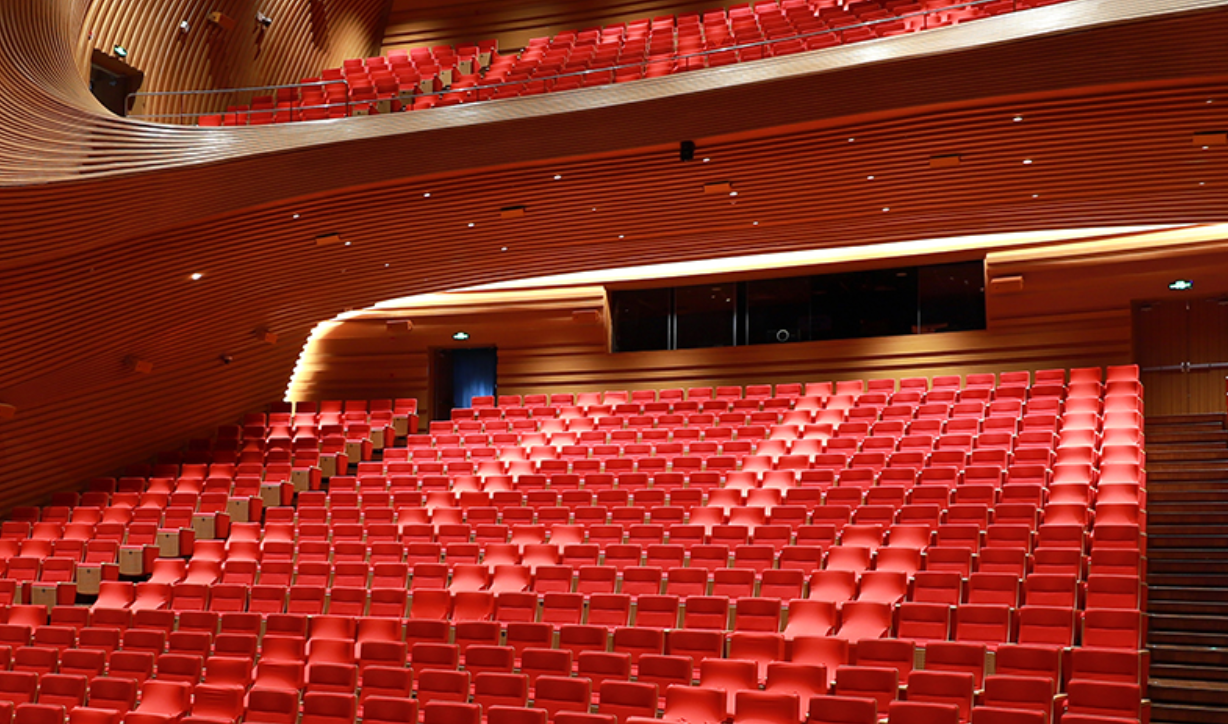
Look, when regional theaters and auditoriums get built, folks often grab whatever’s cheap and call it a day — then wonder why turnout dips or maintenance eats the budget. A better move is choosing university-style solutions that were designed for heavy daily use; the difference shows in comfort, sightlines and long-term costs. Right off the bat, think about theatre seating that balances durability and audience comfort — that’s the kinda choice that keeps people coming back after a long season or a pandemic pause like what hit live venues in 2020.
Comparative insight: campus vs generic seating
Campus-grade seating usually wins on three fronts: build quality, modularity, and serviceability. University seats are specified for repeated daily use, so they use tougher frames, higher-spec foam, and replaceable upholstery panels. Generic banquet or cinema chairs might look fine for a launch, but they don’t handle repeated egress, tight sightlines, or acoustic integration as well. Terms to know: seat pitch, stadium raking and sightlines — they’re what decide whether the third row actually sees the performer’s face without craning.
Design trade-offs that actually affect shows
Choosing seats isn’t just aesthetics. You gotta weigh acoustic absorption versus reflective surfaces, aisle width for safe egress, and ADA compliance for inclusive access. Schools and public venues often specify seating with block-mounting, removable rows and wiring channels for power or AV runs — that flexibility matters when shows change week to week. And hey — forget one-off cheap fixes. They look good on paper and mess up front-of-house flow in practice.
Common mistakes teams make — and how to dodge them
Many projects skip a proper operational teardown and overlook maintenance logistics. During the operational production teardown, teams should log {main_keyword} and {variation_keyword} so replacements and upholstery runs are pre-planned. Another typical slip is ignoring sightline studies: you can’t retrofit good sightlines after installation. A final faceplant is undervaluing warranty and spare-part availability — that eats weeks and budget when a festival season starts. Real-world anchor: big refurb efforts at places like the Sydney Opera House and Lincoln Center put seating upgrades near the top of the punch list because they know small changes to seat pitch or acoustic panels yield big audience gains.
Alternatives and when they’re smart
If you’re on a shoestring, retractable seating or mixed-use bleacher systems can work — but only if the program actually needs multi-use flexibility. For venues with steady programming and higher audience expectations, fixed campus-grade units win. A theatre seating company can do the math: they’ll model sightlines, run CAD for stadium raking, and help pick fabrics that meet fire-retardant and wear specs without killing comfort. If you’re torn between options, ask for real-world case studies and maintenance logs — not just glossy mockups.
How to evaluate suppliers — small checklist
Pick partners who provide clear specs on frame testing, foam density and upholstery abrasion cycles. Look for suppliers offering modular repair kits and documented installation timelines. Also confirm acoustic treatment compatibility and egress mapping. These are concrete measures, not hype; they determine whether your venue survives a few busy seasons or collapses under use.
Three golden rules for picking the right seating
1) Prioritize durability metrics over initial price: check frame load ratings and foam density. 2) Demand modularity and spare-part availability: panels, armrests, and tablet arms should be replaceable without tearing out rows. 3) Verify sightlines, ADA access and egress early with a mock-up: once seats are set, changes are costly.
All told, the right campus-grade approach cuts lifecycle cost, boosts audience comfort and keeps programming flexible. For venues wanting a real, tested solution that meshes design with long-term serviceability, look at what established providers already do — and then adapt it to your scale. leadcom seating. —