

Introduction — a dark prompt to practical change
Why do the machines we trust sometimes feel like they belong to another century? I ask because I stood in a dim plant last winter, watching a line of humming frames and thinking of a figure everyone feels but no one names: downtime. As an electric motor manufacturer I count cycles, not myths; the data is stark — modest plants report 8–12% lost production from motor faults and poor integration (the numbers bite). What I wonder aloud is this: how do we stop venerable systems from dragging modern workflows into the shadows?
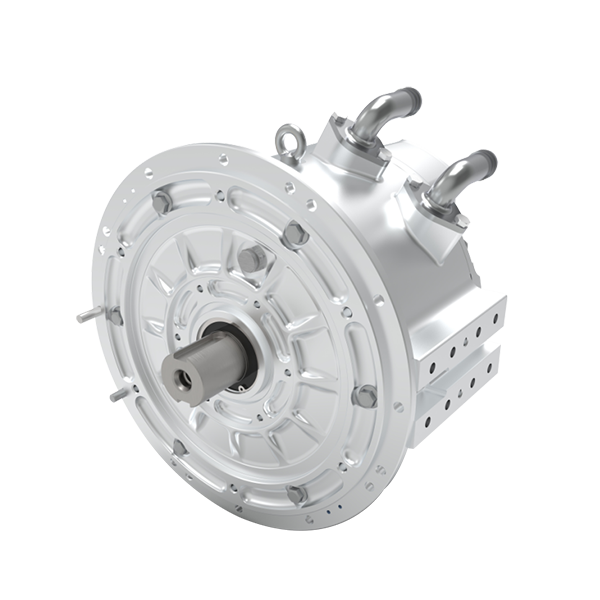
The scene was cold, the belts whispered, and I felt that old tug of duty to fix things (— that nagging, practical hunger). I’ll show what I’ve learned about where things go wrong and what we can do next. Let’s move to the guts of the problem.
Part I — Where traditional fixes betray motor manufacturing
What are we missing?
When I dig into motor manufacturing operations, the same flaws keep surfacing. Teams bolt on sensors to old motors, hoping for miracle visibility, but they get noise: false alarms, data gaps, and a flood of unreadable logs. The legacy approach assumes more data equals better insight. It doesn’t. The root issues are simpler — poor signal quality, mismatched interfaces, and control loops tuned for a different era. I’ve seen stator overheating traced to miscalibrated inverters, and rotor imbalance ignored because the servo drive reports seemed “within range.” Look, it’s simpler than you think: bad inputs make every diagnosis suspect.
Technically, the old fix-list is brittle. There’s little edge computing at the point of failure to preprocess signals. Power converters sit behind unsupported firmware. Maintenance teams swim in spreadsheets while critical vibration traces vanish into raw dumps. This combination creates repeated failures, longer MTTR (mean time to repair), and frustrated operators. I’m not painting doom for drama — I’m naming the practical gaps we can close with focused effort.
Part II — Principles for new tech that actually helps
What’s Next: practical principles
We move from critique to principle. For me, effective upgrades start with three simple rules: local preprocessing, consistent interfaces, and actionable thresholds. Local preprocessing means placing edge computing nodes near the drive to filter and summarize telemetry before it floods the network. Consistent interfaces force a standard so every inverter, sensor, or servo drive talks the same language. Actionable thresholds avoid yelling at teams about every tiny blip; the system flags what truly affects torque, temperature, or vibration.
I’ve watched pilot projects apply these rules and cut false-positive alerts by half — and that matters on a noisy shop floor. Integrate better sensors, insist on firmware standards, and keep telemetry meaningful. The transition isn’t painless — training is needed, workflows must shift, and budgets must stretch a bit — but the payoff is steadier uptime and less firefighting. — funny how that works, right?
Conclusion — three metrics to judge future solutions
So where do I land after walking through plants, reading logs, and testing upgrades? I evaluate new solutions by three clear metrics:
1) Signal fidelity: Do the sensors and edge nodes reduce noise and preserve the real vibration and thermal signals that predict failures? If not, save your money. 2) Integration effort: How many custom adapters are required to connect drives, inverters, and PLCs? Lower is better. 3) Mean time improvement: Does the stack demonstrably reduce MTTR and unscheduled downtime in real trials? Numbers matter.
I recommend these because I’ve used them. They cut meetings, cut overtime, and — most importantly — restore predictability. If you want a practical partner who understands shop-floor grit and system design, I point you to one I trust: Santroll. We can be pragmatic, not poetic, and still keep the lights on.