

Introduction — a short scene, a data point, a question
I was on a small dock last summer, watching an old skiff chug past and thinking about how much could be gained with a little tuning. The electric motor that pushed that boat used twice the energy it should have, by my rough count. (We see this all the time: 20–30% waste in real-world drive cycles.) So what stops us from squeezing out that lost power and making systems cleaner and cheaper to run?
I’ll share what I’ve learned working on drives and controllers — in plain terms, no fluff — and show practical moves you can make today. This piece reads like a conversation: I ask, you think, we improve. Next, I’ll dig into the root problems that keep many teams stuck.
Why many permanent magnet synchronous motor setups under-deliver
What’s the core issue?
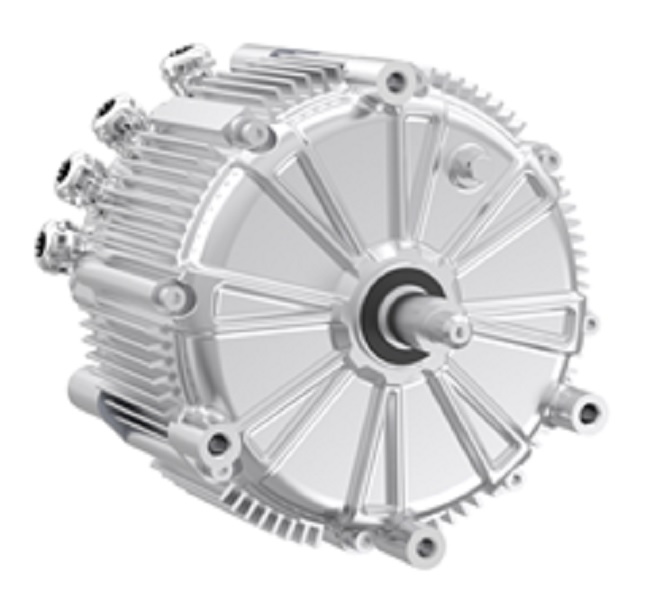
Early on, I learned that the permanent magnet synchronous motor is brilliant on paper but fragile in practice. Engineers love its high torque density and compact size, yet real installations often fall short. The usual suspects are poor inverter tuning, mismatched controllers, and overlooked thermal limits. These produce current spikes, heating, and premature demagnetization. I’ve seen systems derate by 15% within months — frustrating, yes, and costly.
Look, it’s simpler than you think: many teams treat the motor as a black box. They bolt it on, assume the controller’s default maps are fine, and call it a day. But sensorless control drift, incorrect field weakening strategies, and coarse power converter gating are common hidden faults. They hide behind decent bench tests but show up under load. I honestly prefer to test on the real load — boat, vehicle, or conveyor — because lab numbers lie sometimes. The fix is a mix of better inverter firmware, smarter current limiting, and an honest look at thermal paths. That’s the practical layer most write-ups skip — and it makes all the difference.

New technology principles and a look ahead (with boat motors in mind)
What’s next — practical principles
Moving forward, I focus on clear principles: smarter inverters, adaptive control, and modular hardware. For example, modern inverter designs use faster gate drivers and improved power converters to reduce switching losses. Pair that with field-oriented control tuned for your load profile, and you get real gains. In small marine applications — yes, think boat motors — the result is lower battery drain and smoother throttle feel. I’ve tested these principles on coastal crafts; the difference is night and day — funny how that works, right?
Another big win is data-driven tuning. Telemetry from torque sensors and temperature probes lets us update controller maps remotely. We replace guesswork with measured profiles. That reduces surprises in deployment and extends service intervals. I recommend prioritizing modular controllers that let you swap the inverter or add a dedicated thermal management board. It saves headaches and makes upgrades far less painful. Finally, keep an eye on field weakening and thermal throttling thresholds; tweaking those two often yields the largest practical improvement in sustained power delivery.
Closing: how to evaluate solutions and move faster
To wrap up, here are three practical metrics I use when choosing or tuning equipment: thermal margin (how far from overheating you run under heavy use), sustained torque output (not just peak), and system efficiency across the whole drive chain (motor + inverter + controller). Measure these under real conditions — not just at the bench. I trust numbers, but I also trust my gut when readings and feel disagree. We’ve seen projects saved by small firmware tweaks and better wiring practices. Small fixes. Big returns.
If you want a partner that understands these trade-offs and ships both motors and controllers, consider checking out Santroll. I’m happy to share more specifics about setups I’ve tuned — reach out and we’ll talk through your use case.