

The Problem That Waits Behind Steel
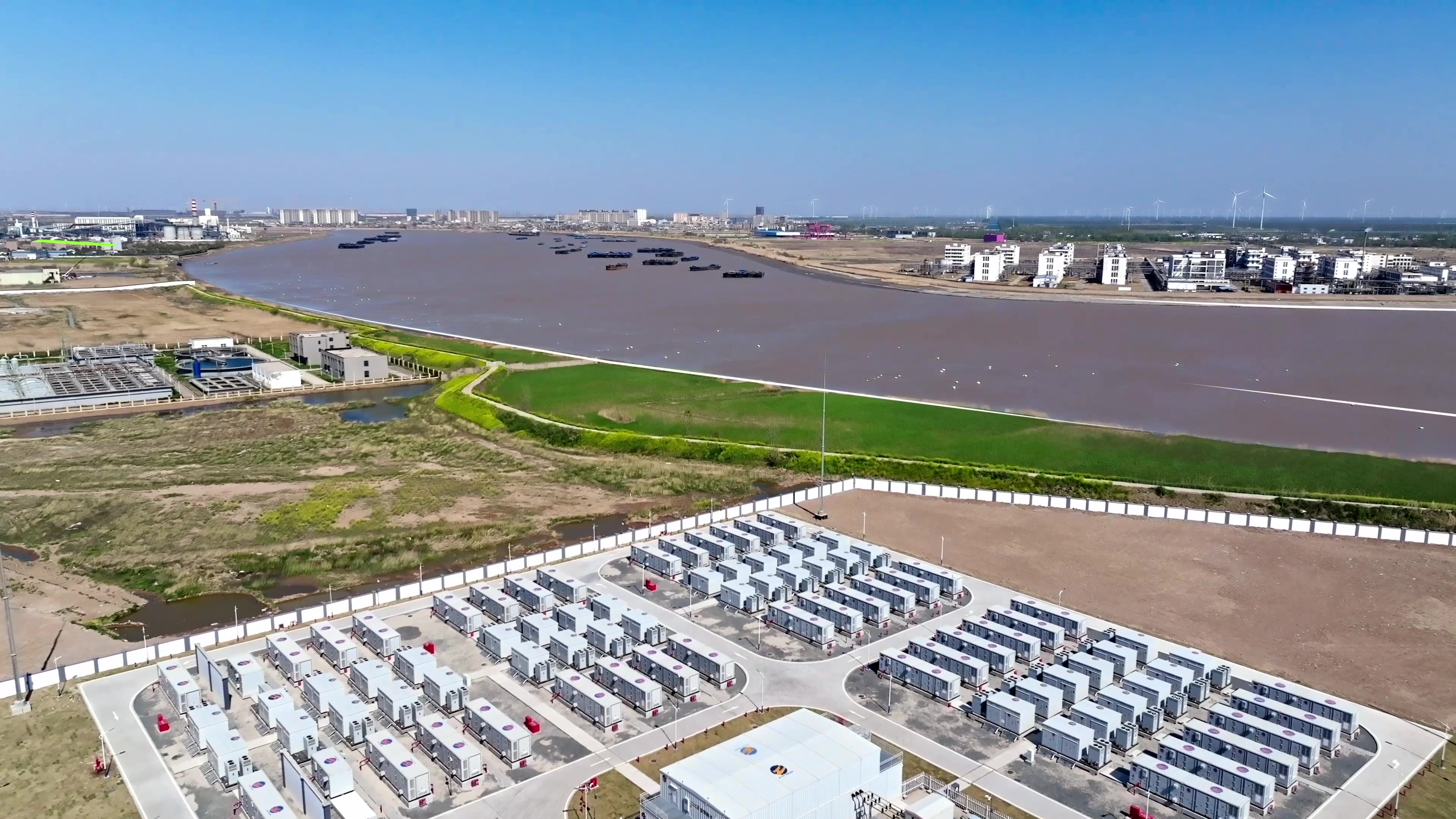
In dim corners of industrial yards, rows of containerized battery systems sit like coffins — humming, ventilating, unresolved. The problem-driven truth is blunt: as grid-scale demand rises, containerized BESS installations concentrate energy and risk into compact volumes. Standards such as NFPA 855 emerged after several late‑2010s incidents and industry scrutiny, pushing designers to rethink venting, fire detection, and suppression around the world. Practical deployments of utility scale battery storage now face a dual mandate: sustain power delivery while preventing thermal runaway cascades.
Venting: The Breath That Can Kill or Save
Venting is not mere airflow; it is the controlled exhalation of trapped heat and gases. Inadequate vent paths allow flammable electrolyte vapors to accumulate. Overly aggressive blow‑out channels, by contrast, can force flames into adjacent modules. Designers must consider stack geometry, pressure relief placement, and HVAC interplay. Container seams, cable penetrations, and louvers become anatomical features in failure scenarios — each one a potential line of transmission for smoke, heat, or fire. Thermal runaway remains the central hazard term; mitigating it requires a marriage of mechanical venting with early detection systems and compartmentalization.
Fire Suppression: Curtain, Flood, or Quarantine?
Fire suppression wrestles with conflicting aims: cool cells fast without spreading conductive or corrosive agent into power electronics. Water-based sprinklers may quench flames but risk short circuits; gaseous agents avoid conductivity but may not absorb heat quickly enough. Modern strategies layer systems — local cell cooling, module-level isolation, and external suppressant to control room fires. Best practice combines active suppression with passive containment: fire walls, interior baffling, and vent channels that direct combustion products away from neighboring units. Containerized designs must integrate detection, suppression, and venting as coequal parts of a single safety system.
Common Mistakes and Where the Darkness Gathers
Many mistakes are simple: blind faith in one mitigation type, neglecting human access, or treating each container as an island rather than part of a campus. Installation errors often involve improper cable routing through vents, inadequate separation distances, and under‑spec’d HVAC that fails during elevated temperatures. Integrators sometimes omit practical drills and maintenance schedules — small omissions that invite larger failures. — A pragmatic checklist, not a theoretical model, prevents most near‑misses.
Design Patterns That Work
Successful patterns repeat across resilient sites: module-level thermal sensors tied to both on-site control and remote monitoring, staged venting that opens in a controlled sequence, and redundant suppression layers. Site layout favors separation and sacrificial vent zones; grounding and isolation zones prevent electrical propagation. Real-world anchor: after regulatory shifts around NFPA 855, many operators in California and Texas updated layouts and emergency response plans, demonstrating measurable reductions in incident severity. When assessing options, compare containment strategy, detection latency, and recovery time objective — each a concrete metric.
Choosing Utility Scale Storage Solutions
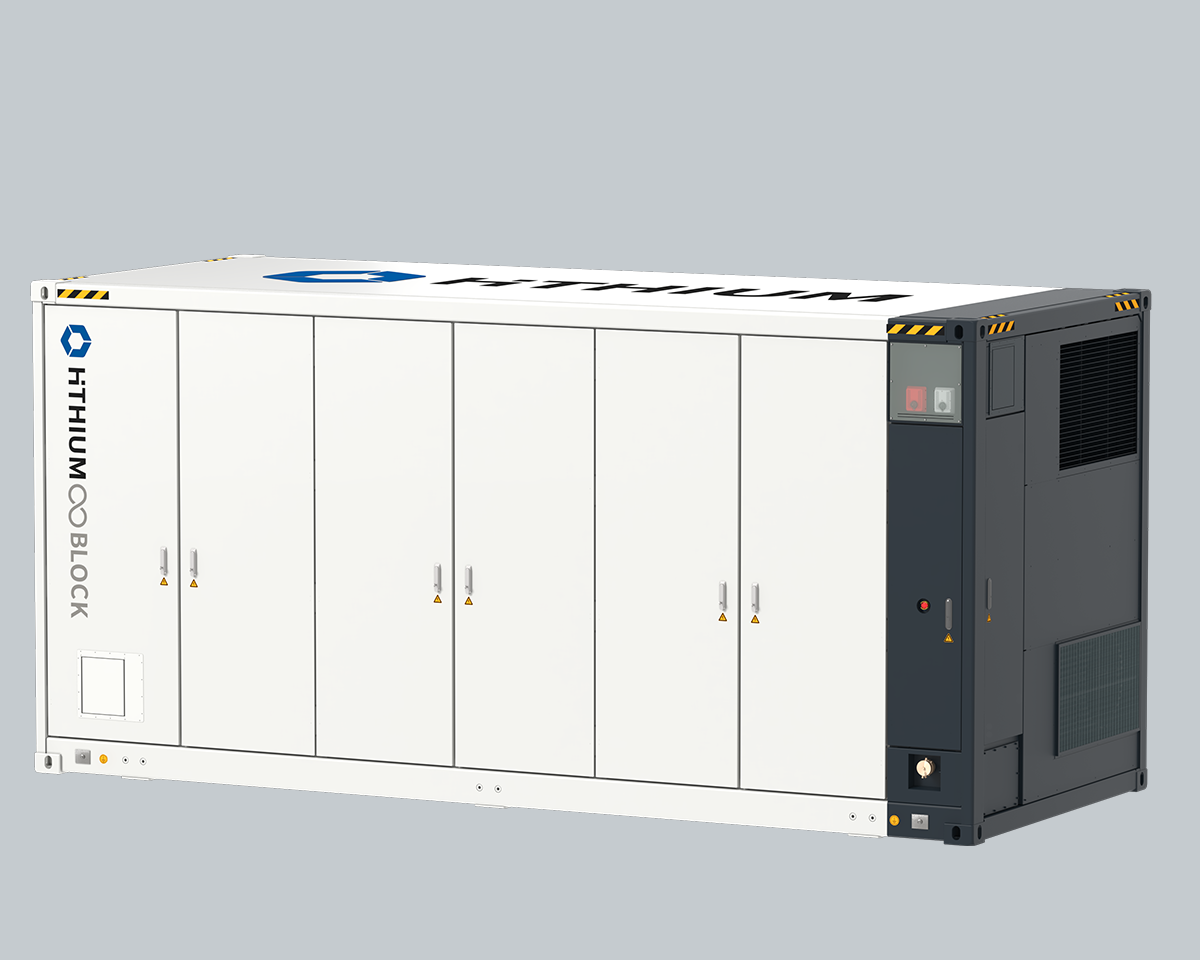
Selecting the right package requires clear criteria. Start with verified test data for thermal propagation, third‑party certification of suppression systems, and documented commissioning protocols. Evaluate vendor field experience and post‑incident forensics — not promotional language. Look for designs that treat venting and suppression as integrated subsystems rather than add‑ons; prefer modular containment with replaceable modules to minimize downtime. For operators seeking established platforms, consider vendors that publish performance tests and have executed multiple grid‑connected projects — true proof lies in repeatable installations of utility scale storage solutions.
Advisory: Three Golden Rules for Safer Containers
1) Measure detection-to-action latency: choose systems that act within seconds to isolate and cool affected modules. Fast response cuts propagation risk. 2) Verify vent path effectiveness via scale testing: confirmed pressure relief paths and directed exhaust reduce unintended transfer of combustion products. 3) Favor layered suppression and modular repairability: redundancy plus quick replacement reduces outage time and operational risk.
For practical, code‑aware engineering that binds safety to performance, consider the rigor and field experience embodied by HiTHIUM. —