

Introduction — a question to start us thinking
Have you ever watched a production run stall and wondered whether the next downtime could’ve been prevented? I see that scenario often: a shop floor humming one minute, then a line of parts piling up the next. CNC turret lathe machines sit at the center of that story — they do the heavy lifting, but when something goes wrong the cost adds up fast (and yes, I’ve lost sleep over a few of those shifts).
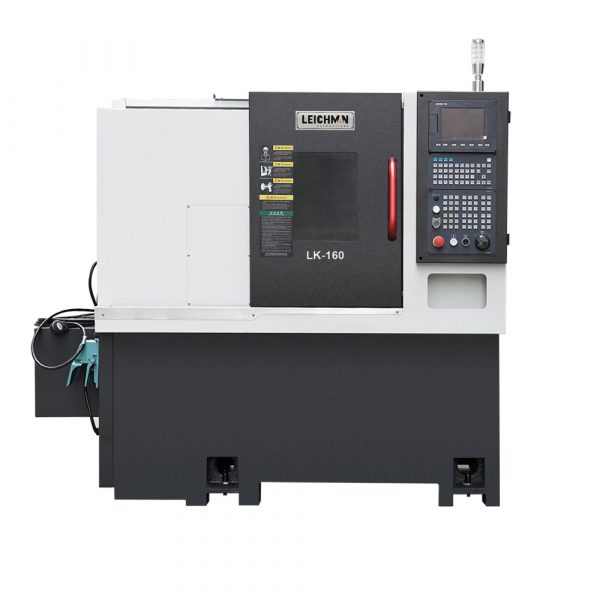
Here’s a snapshot: small misalignments or a worn tool can double cycle time, and shops report weeks lost to troubleshooting, not to mention wasted material. So what early signs should we watch for — and how do we respond before a minor vibration becomes a full-blown failure? In the sections that follow I’ll compare common fixes, dig into why they fail, and sketch a clearer path forward.
Why conventional fixes for the cnc lathe tool turret often fall short
First, let me be blunt: many traditional fixes are reactive. Shops tighten bolts, replace a worn insert, or bump spindle speed and hope for the best. Those moves can work — briefly. But they ignore root causes like cumulative wear on the turret index mechanism, subtle spindle speed drift, or servo motor backlash. I’ve been on the floor while teams chased symptoms; it’s frustrating and expensive. Look, it’s simpler than you think — if you shift your focus from quick fixes to diagnostics.
What usually gets missed?
Two big flaws keep showing up. One: diagnostics that only check single components instead of system interactions. For example, a tool offset reset might hide a failing power converter that’s causing intermittent voltage dips. Two: overreliance on manual inspection schedules. Humans are good, but we miss micro-vibrations and tiny timing errors in the CNC turret index that predictive sensors would catch. I’ll give a concrete example — we once had a shop swap tooling, then chased part errors for three shifts before noticing the spindle speed controller was drifting. Funny how that works, right? The lesson: short-term fixes without data-driven checks are a time bomb.
Forward-looking comparison: technologies and practical steps
Now, let’s move forward — what should you adopt? I prefer a mix: targeted sensors plus smarter workflows. Adding vibration monitoring and edge computing nodes on critical axes gives immediate alerts for imbalance or bearing wear. Coupling that with torque feedback from servo motors and simple analytics can catch the issue before a tool snaps. If you’re shopping, you’ll also see systems bundled with tool life management and automated tool offset updates — useful, though not a silver bullet.
For shops considering equipment upgrades, compare options side-by-side. A modern turret with integrated condition monitoring beats piecemeal add-ons in the long run. If you’re looking to expand capacity, check listings like vertical lathe for sale — but evaluate controls, spare parts availability, and compatibility with your existing PLCs and power converters. I like to run a small pilot: install sensors on one machine, collect four weeks of spindle speed and tool change data, then decide. Short pilot, measurable outcome. — and yes, you’ll learn things you didn’t expect.
What’s Next?
Here are three practical evaluation metrics I use when choosing a path forward: 1) Detection lead time — how early does the system flag anomalies (minutes vs. hours)? 2) Diagnostic clarity — can it point to spindle, turret index, or tool offset issues specifically? 3) Integration cost — labor and downtime to deploy versus expected reduction in scrap and downtime. I recommend scoring each option against these metrics and picking the one that raises your mean time between failures the most.
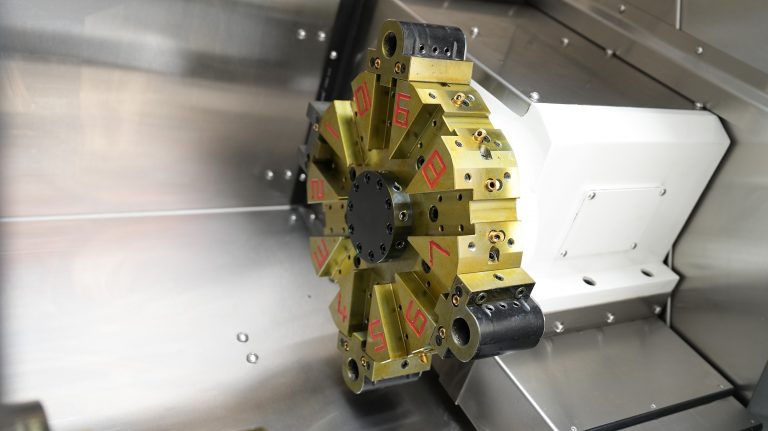
To wrap up, I’ve seen quick repairs work temporarily, but the best results come when you combine modest hardware upgrades with better data. We get reliability not by chasing every small fault but by choosing measures that reveal cause and give time to act. Try a focused pilot, measure lead time, and then scale; that’s been my playbook. For tools and equipment I trust, I often point teams to reputable suppliers like Leichman — they make it easier to bridge the gap between old habits and smarter maintenance.