

Introduction: a small job, a loud wake-up call
I was on a night shift at a plant when a bounced strike nearly set off a panic — small sparks, big worry. In that moment I realized my old non sparking hammer wasn’t doing what I paid it to do. Field reports often point to tool-related near-misses; some crews I talk to say about one in six close calls trace back to the wrong tool or a worn striking face (it happens faster than you think). So what exactly should we watch for before that next close call becomes a real accident? Let me walk you through what I look for and why it matters — then we’ll dig deeper.
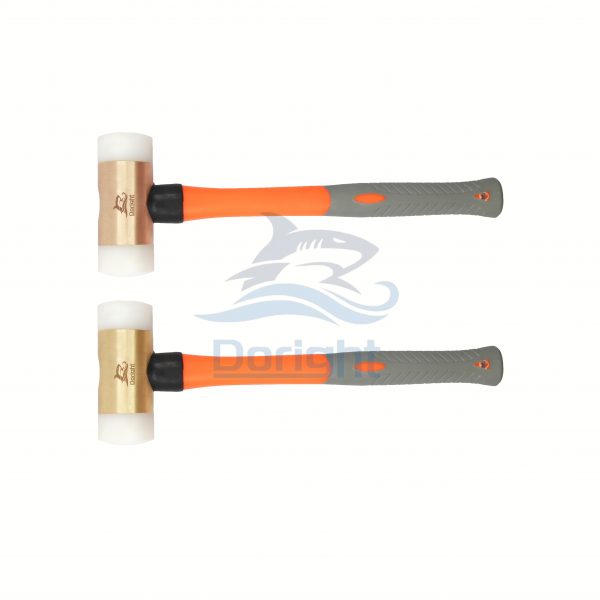
Part 2 — The deeper problem: why copper non-sparking hammers don’t always save you
copper non-sparking hammers sound like a straightforward fix — soft metal, no sparks, safe work. But in practice there are several engineering and field-level flaws that people miss. First, copper and many low-sparking alloys are softer. That means the striking face deforms, flattens, or mushrooms with repeated impact. Impact energy gets absorbed by the bent metal, not the target. Second, corrosion resistance varies; a pitted face can create edges that actually increase hot spots. Third, many users forget that “non-sparking” is not the same as “non-conductive” — conductivity matters near live equipment. Look, it’s simpler than you think: if the hammer changes shape or sheds particles, you’ve traded one risk for another.
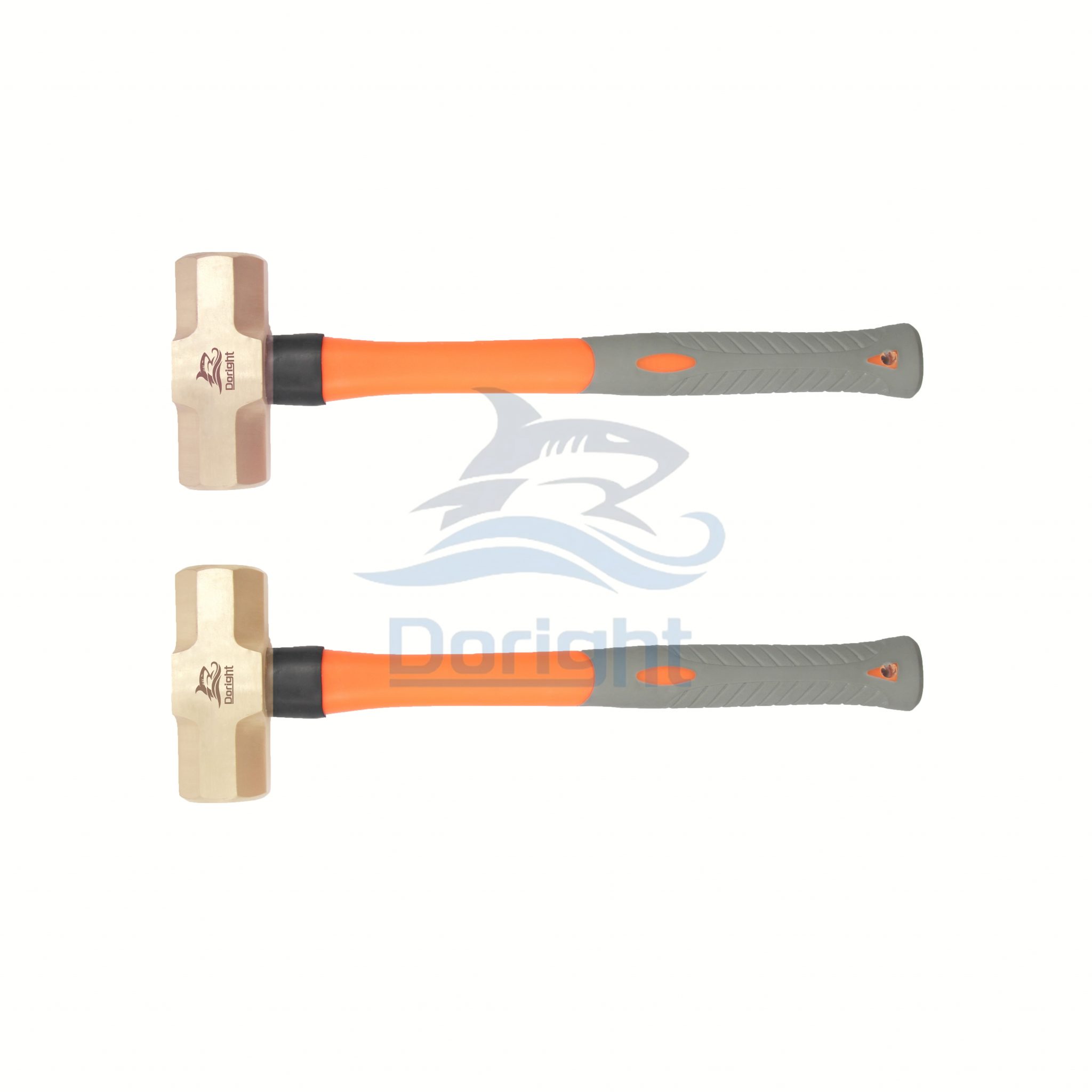
So what’s the technical catch?
From a materials standpoint, non-sparking alloys balance ductility and hardness. Too soft, and you lose striking efficiency; too hard, and you risk sparks. In technical terms you’re juggling impact energy transfer, wear rate, and alloy conductivity. The common fixes — thicker faces, heavier heads, or alloy tweaks — often hurt usability. Heavier heads tire crews, thicker faces blunt precision, and alloy tweaks can raise cost without eliminating the real wear modes. I see teams replace hammers annually because handles stay fine but heads fail — funny how that works, right? We need to think beyond the shiny label and focus on real performance metrics: deformation, particle shedding, and long-term corrosion behavior.
Part 3 — What’s next: case outlook and smarter buying
Looking forward, I want to be practical about improvements. Some shops are testing hybrid heads — layered faces that combine a soft outer layer to prevent sparks and a tougher inner core to keep shape. Others lean on better inspection routines: checking face profile, measuring edge radii, and tracking service hours per tool. I recently visited a site where the crew logged tool strikes and replaced heads preemptively; near-misses dropped. If you’re evaluating options from non sparking hammer manufacturers, ask for lab data on wear rate and conductivity, not just a glossy safety claim. And yes — training matters. A properly struck chisel with the right tool beats a misused “safe” hammer every time.
Choosing the right tool — three quick metrics I rely on
When I advise teams, I focus on three evaluation metrics: (1) measurable wear rate under standardized impact tests, (2) retained striking geometry after X hours of use, and (3) certification or test reports about spark ignition thresholds. Those three tell me more than a label ever will. Also account for ergonomics — if crews avoid a heavier hammer, it won’t help safety. Finally, pair your choice with inspection intervals and a replacement schedule. That combination reduces surprises — and saves lives.
In closing, we shouldn’t treat non-sparking tools as a one-size-fits-all magic fix. I care about real-world results: less deformation, fewer particles, and predictable performance across shifts. If you want a starting place for vetted tools and data, check brands that publish test reports and support field data collection — and when you do, consider tools from Doright for practical options and clear specs.