

Introduction
Have you ever watched a shop cancel a job because the machine “couldn’t” do two parts at once? I have—and that little scene repeats more often than you’d think. In many shops the double spindle CNC machine sits underused: data shows multi-spindle setups can cut cycle time by up to 40% on paired operations, yet adoption lags. So why do capable systems gather dust while single-spindle cells bustle? (A few myths — and stubborn habits — explain much.)
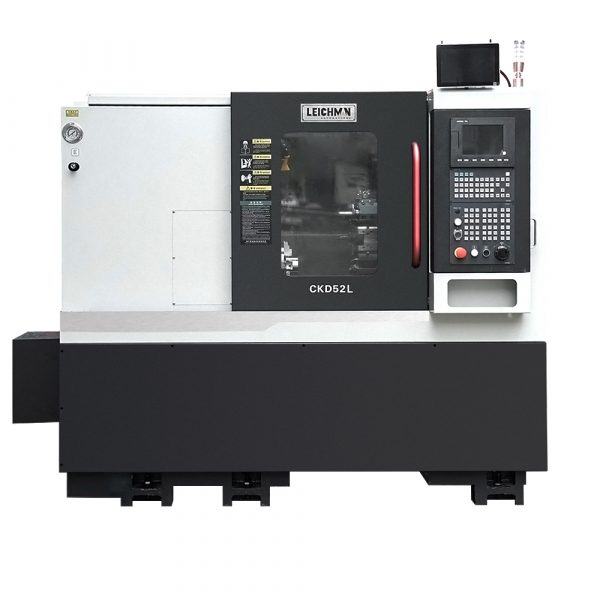
I write this as someone who has stood next to both triumphant and frustrated operators. We’ll peel back the stories that hold teams back. Expect plain talk, some measured numbers, and a question that matters: which beliefs are costing you time and money? — let’s move to the next part where the real trouble starts.
Where Traditional Fixes Fall Short: The Hidden Flaws
I’ll be direct now. Many shops treat a double spindle as “more of the same”—just add another chuck and hope for the best. In reality, a double spindle cnc lathe demands system-level thinking. Toolpath conflict, spindle synchronization, and turret sequencing become new failure modes. Those classic fixes—slower feeds, oversized cuts, or manual cycle splitting—mask the issue instead of solving it. I’ve seen setups where operators slowed cycles by 15% to avoid interference; that defeats the point.
Why does this happen?
Because legacy troubleshooting focuses on point problems, not interactions. Axis servo tuning, spindle synchronization, and controller timing must be tuned together. Look, it’s simpler than you think once you stop patching and start aligning systems. We found that a short audit on turret sequencing and power converters saved one plant three shift-hours per day. Funny how that works, right?
What Comes Next: A Forward-Looking Comparison
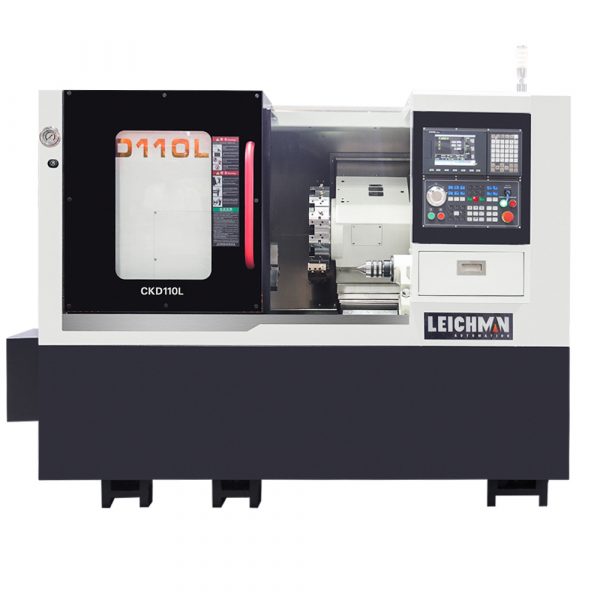
Now I shift gears toward the future. I prefer a comparative view: old patchwork versus integrated design. Newer control strategies that pair predictive toolpath scheduling with spindle synchronization reduce idle time and collision risk. When I compare a patched single-spindle workflow to a modern double-spindle cell, the latter wins on throughput and consistency—provided you respect the machine as a coordinated system.
What’s Next?
Consider the real-world path forward: combine edge computing nodes for local monitoring, refine axis servo tuning, and choose tool turret layouts that minimize cross-talk. I’ve watched teams adopt these steps and cut non-productive time sharply. The result is not just speed. It’s reliability. It’s fewer surprises during first-run parts. — small changes, big returns.
Before you decide, here are three practical metrics I now use to evaluate double-spindle solutions: 1) synchronization latency (ms) between spindles; 2) average cycle time per paired operation; 3) mean time between tool-change collisions. Measure those, and you’ll see which systems truly deliver. I say this from experience, with a clear eye and a bit of impatience for wasted potential. For reference or to explore options, visit Leichman.