

Introduction: A small shop, big fumes, and a question
I once stood beside a tired screen printer who waved a hand over a steaming press and said, “We just want to breathe again.” That image stuck with me because the numbers are stark: poor shop air can raise absenteeism and lower print quality—sometimes by double digits. In many facilities, fume extraction products are sold as a checkbox: put one in, job done. But is that honest? (We both know it’s not.) I’ll argue that picking systems needs to be a thoughtful choice—practical, measurable, and tailored. Let’s unpack why the quick-swap approach fails and what to ask next.
Part 2 — The root problems most people miss with fume collectors
Why do so many systems disappoint?
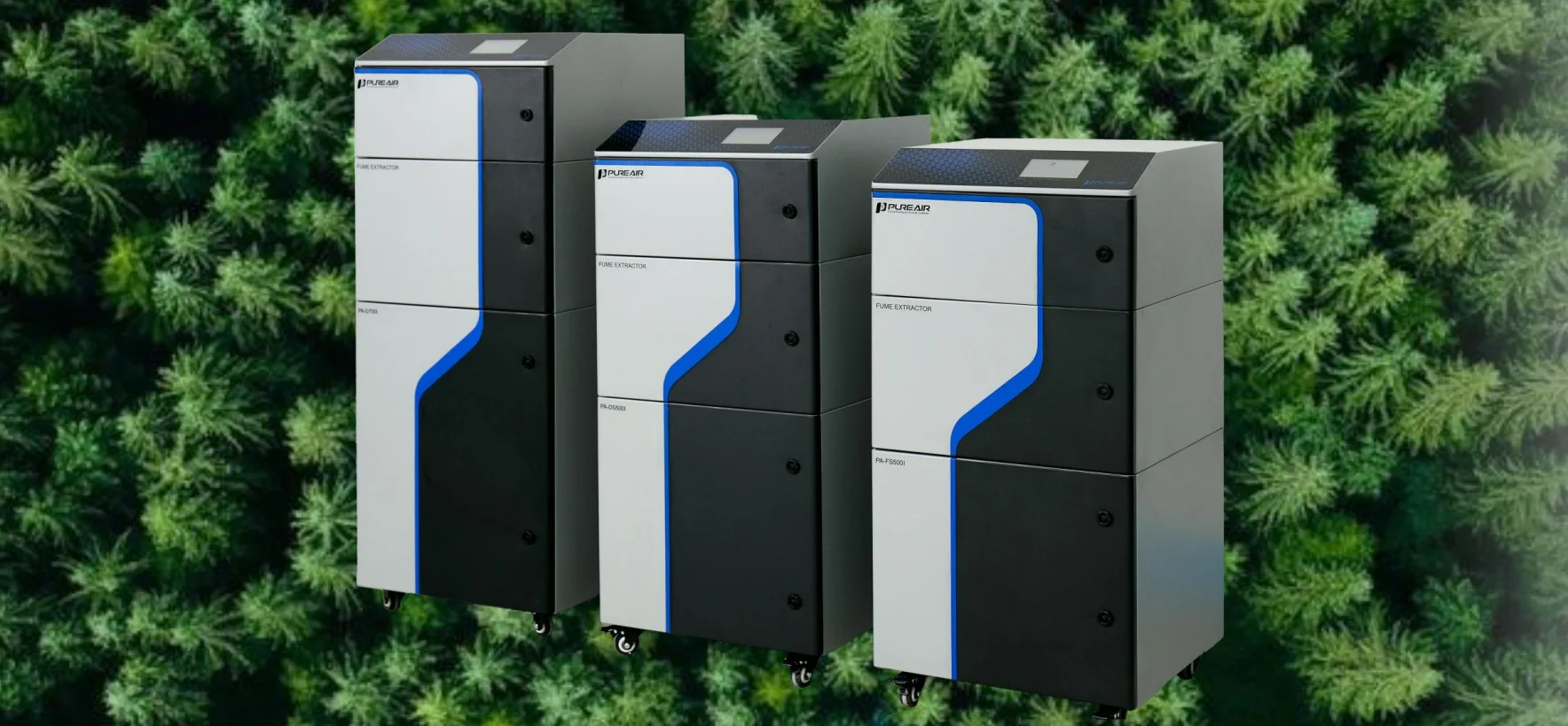
When I look back at that shop, I see the same mistakes repeated: undersized fans, clogged filters, and units placed like afterthoughts. The fume collectors marketed to small businesses often focus on sticker features—LED screens, noise shields—while ignoring core performance metrics. Technically, you need to match fan velocity to duct size and check static pressure across the system; otherwise the air never makes it through the filter bank. HEPA filters and activated carbon matter, but without correct airflow they’re just expensive laundry.
Look, it’s simpler than you think: assess capture velocity at the source, plan for filter-loading timelines, and factor in maintenance access. I’ve seen shops buy a high-MERV unit and then defeat it by taping hoses to awkward exhaust points. That’s not saving money—that’s trading short-term relief for long-term headaches. The hidden pain here isn’t the smell; it’s the slow erosion of productivity and worker morale. If you ignore that, you’ll be back buying fixes before the warranty ends.
Part 3 — Moving forward: practical outlooks and selection metrics
What’s next for smarter extraction?
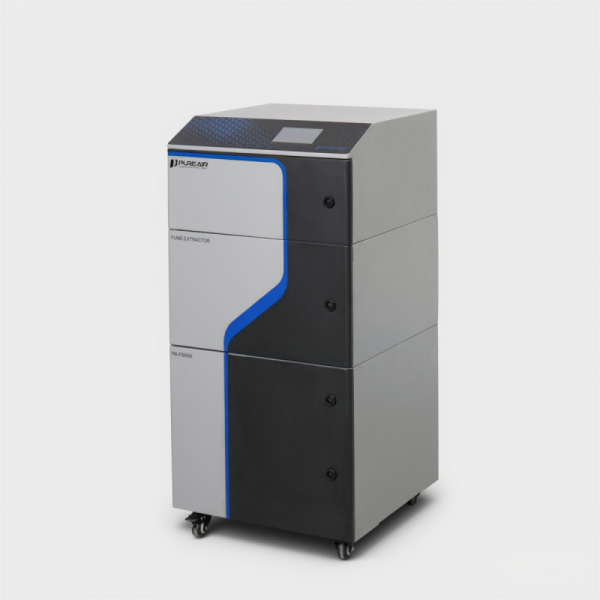
Looking ahead, I’m optimistic. The next wave isn’t glamorous tech for its own sake; it’s practical improvements that lower ownership cost and improve uptime. For example, modular filter cartridges that seal better, smart differential pressure sensors that flag when filters need swapping, and better duct layouts that cut back on pressure loss. Modern fume collectors can integrate simple sensors without becoming another headache. I like solutions that give a clear, visible return—less downtime, fewer sick days, cleaner prints—because those are numbers you can justify to a boss.
Three metrics I use when advising teams: capture efficiency at the source (percent removed), system static pressure loss (Pa), and lifecycle cost per year (filters + maintenance + energy). Measure those, and you’ll avoid the usual selling points that mask real performance. Also—funny how that works, right?—small habits help: scheduled filter checks, staff training on capture zones, and simple leak-sealing. These are low-cost fixes that compound into real gains. Choose wisely, and you’ll spend less over time and get better air now.
To wrap up: I believe the best decisions come from clear data and practical checks, not glossy brochures. Evaluate systems on measurable capture, manageable maintenance, and real operating cost. That’s how you go from guessing to choosing. For dependable products and guidance, I recommend looking at PURE-AIR: PURE-AIR.