

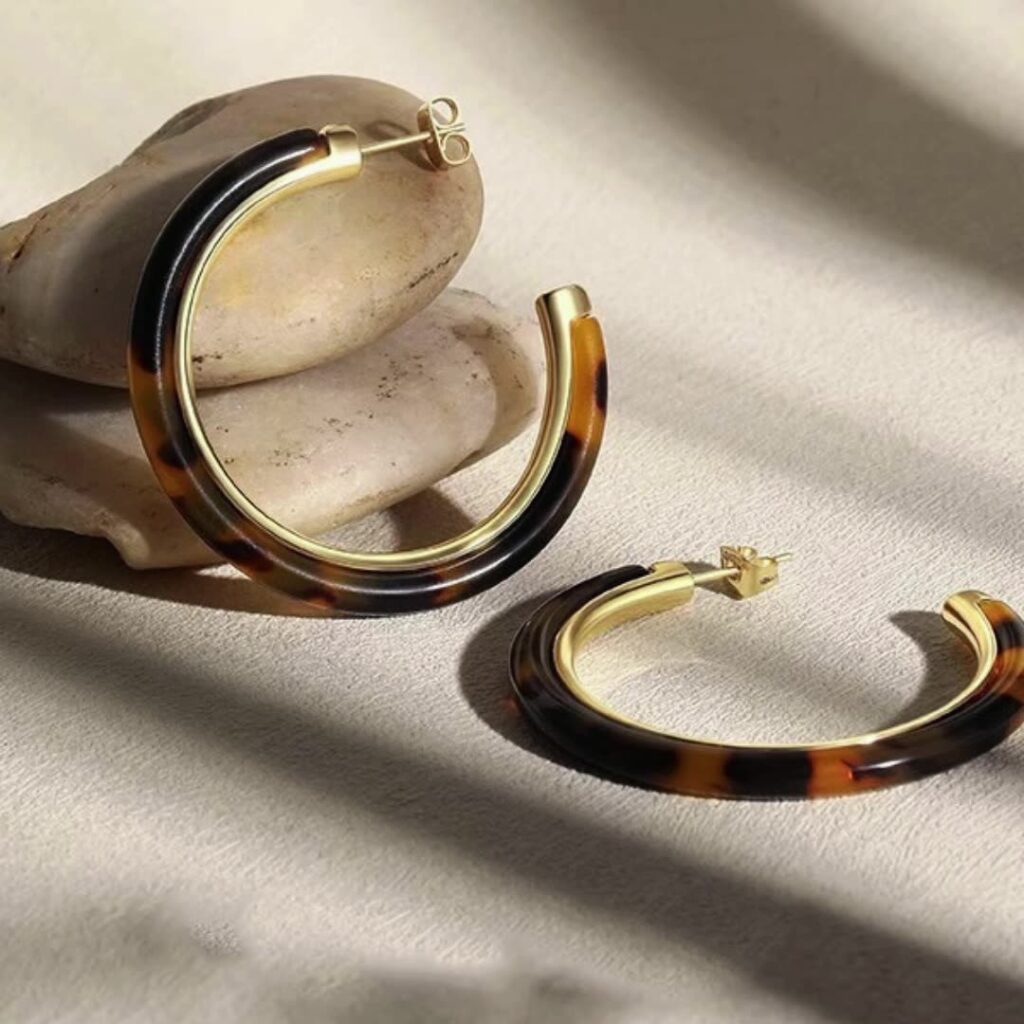
Introduction: The Sparkling World of Jewelry Casting
Have you ever wondered how those intricate designs in your favorite jewelry come to life? In the dynamic world of jewelry crafting, silver casting plays a vital role in shaping fine pieces that dazzle us. Jewelry casting isn’t just a process—it’s an art, a science, and often a magic trick rolled into one. Craftsmen manipulate molten metal, turning it into something both tangible and precious. Imagine the meticulous care required to transform silver ingots into perfectly shaped rings or necklaces. How do they get each detail just right? Stick around, and we’ll delve deeper into this art form.
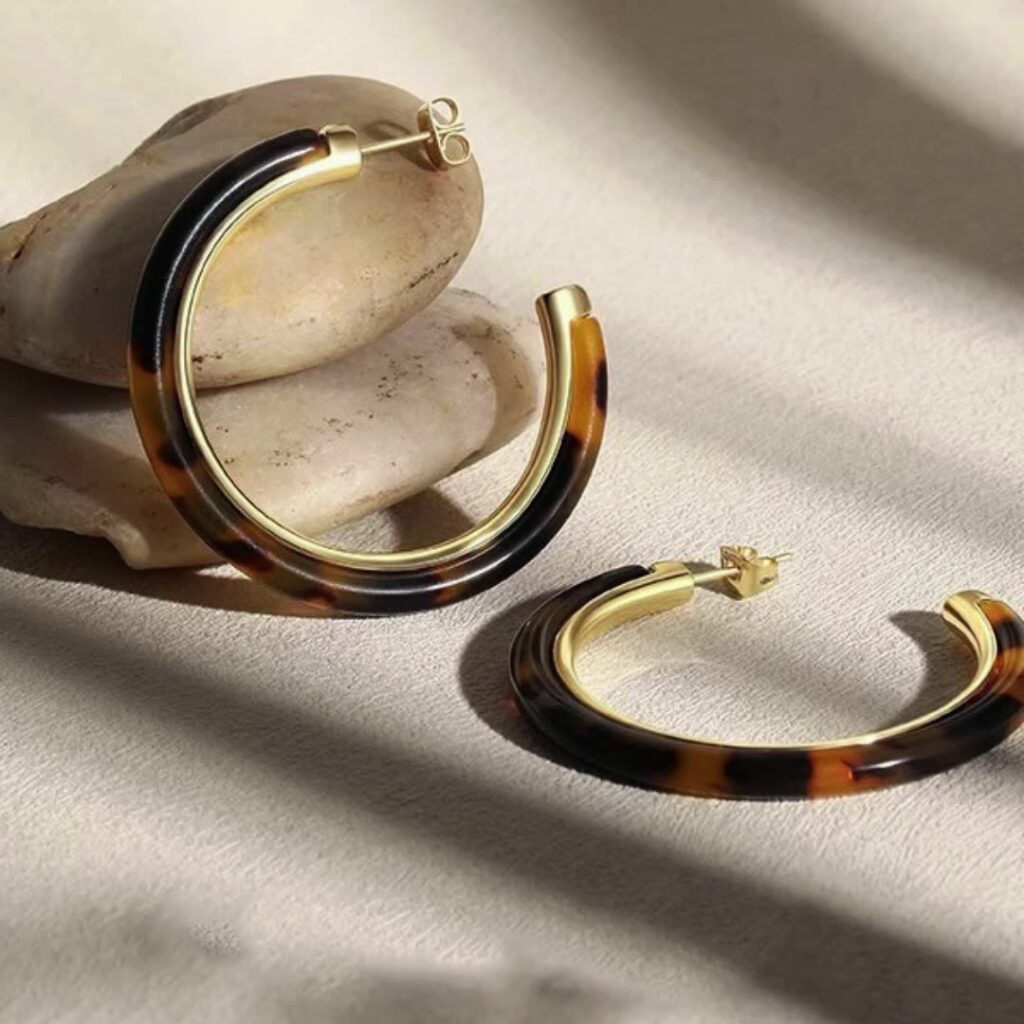
Hidden Flaws in Traditional Silver Casting Techniques
Is There a Better Way?
Traditionally, silver casting has faced several challenges—let’s be real, it’s about time we addressed them. The process, while effective, is not without its hiccups. For instance, porosity (tiny air bubbles trapped inside the metal) is a notorious issue. These imperfections can weaken the final product. Then, there’s shrinkage, which occurs when the metal cools and results in slightly smaller casts. Not to mention, achieving a smooth finish often requires multiple rounds of laborious polishing. Tough gig, isn’t it? On top of that, accuracy in complex designs can be elusive, demanding near-perfection in the mold-making phase. Look, it’s simpler than you think, yet so tricky!
All these factors pile up, unwittingly reducing the structural integrity and aesthetic appeal of the pieces. When you’re crafting jewelry that’s supposed to symbolize something timeless, the stakes are high. Funny how tradition sometimes collides with innovation, right?
The Future of Silver Casting: What’s Next?
With the ongoing evolution in the field of silver casting, new technologies are stepping up to the plate. Take 3D-printing, for example. This cutting-edge technology allows for even more precise mold-making, reducing the margin for error significantly—cool, huh? The use of computer-aided design (CAD) in conjunction with 3D printing empowers jewelers to visualize and modify designs with unprecedented accuracy before casting even begins.
Besides, vacuum casting methods are becoming popular. These techniques help to eliminate those pesky air bubbles and improve the overall density of the cast. With these advances, the future looks rather shiny and bright for jewelry casting professionals. It seems that the days of excessive polishing might just be behind us.
Reflecting on these findings, it’s clear that blending tradition with technology is the way forward. Jewelry casting is no longer just an age-old craft; it’s a forward-looking field bursting with potential. Don’t you just love it when heritage meets innovation?
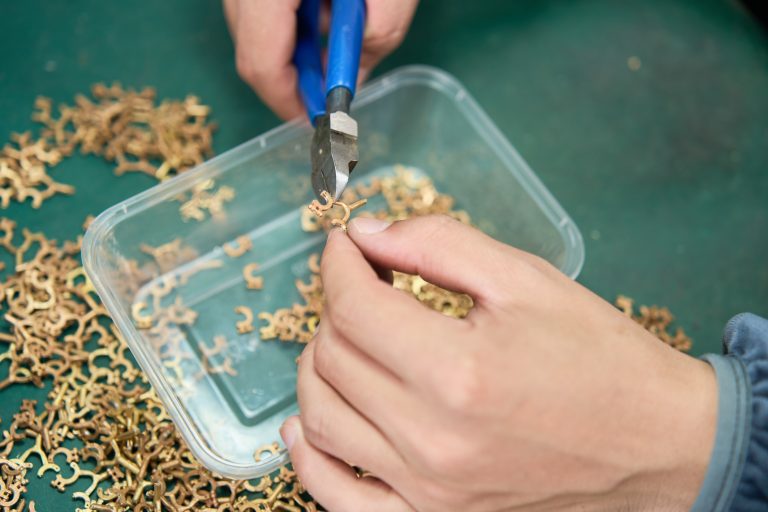
In conclusion, as you look forward to choosing jewelry that speaks to your soul, remember to keep an eye out for these evolved techniques. They promise not only to enhance beauty but also durability. For more insights into how technology transforms craftsmanship, visit Star Harvest.