

Why sustainability matters for fleet dash cams
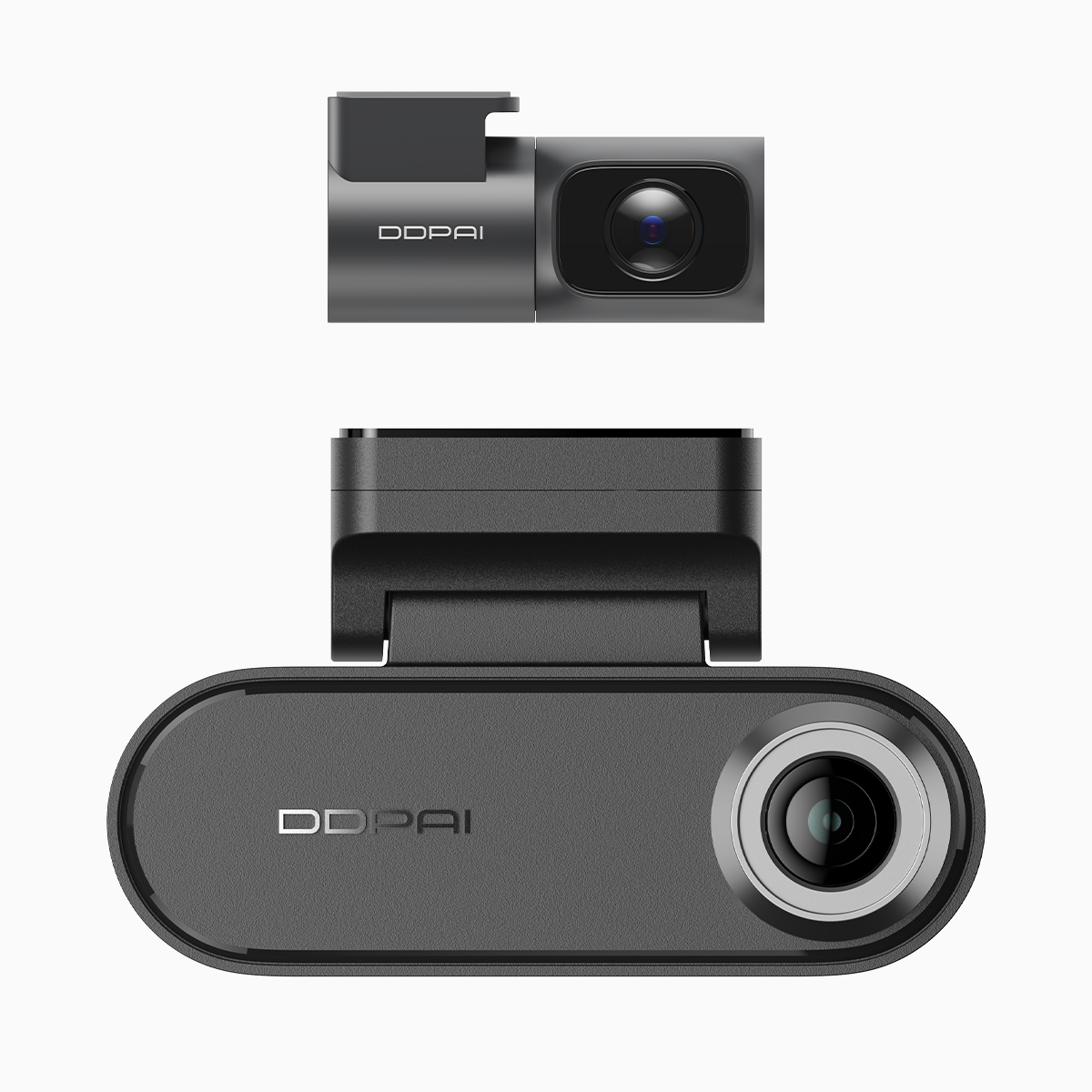
Fleets buy many units. That makes waste and power use large. For that reason, buyers must check both lifespan and recyclability when choosing triple-lens packs. Start with units that offer low parking power and long firmware support — for example, a reliable dual dash cam with parking mode can reduce replacement cycles. The issue is global: UN reports note rising e-waste each year, so decisions here matter beyond one city. In Metro Manila, where parking damage and congestion are common, parking-mode stability directly affects claims and replacement rates.
Key lifespan factors to evaluate
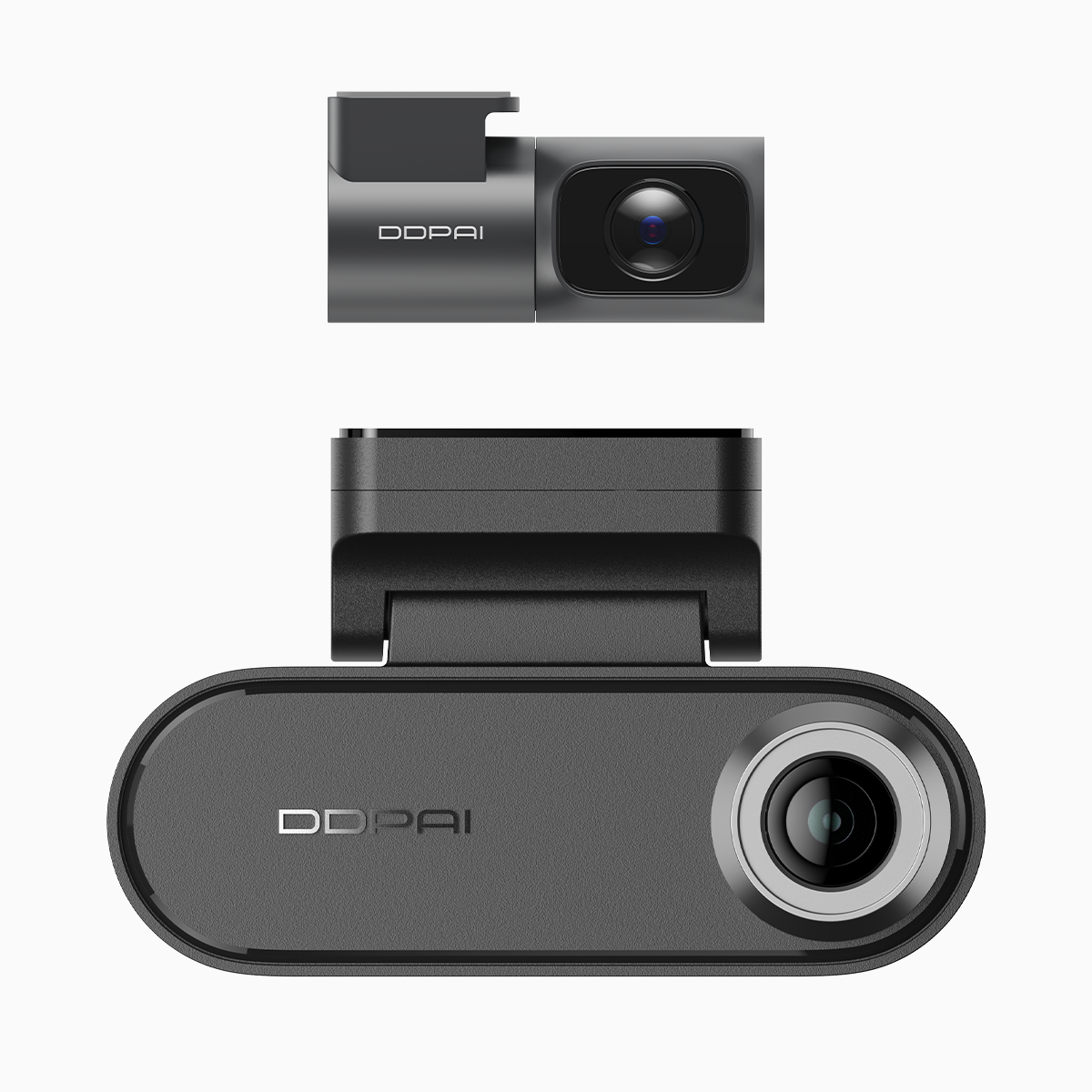
Look at core hardware first. Sensor quality determines long-term video clarity. Power components — supercapacitor or battery — influence safe shutdowns and heat tolerance. Firmware updates keep codec and bitrate efficient and secure. G-sensor tuning matters for parking events and reduces false saves. Choose models with modular parts and documented service guides; that helps repairs instead of full replacement.
Recyclability and material choices
Materials decide how easy the device is to recycle. Polycarbonate body is common, but some plastics are harder to process. Metal frames and screws improve disassembly. Labels for plastics and easy-to-remove cables speed sorting at recycling centers. Also check whether manufacturers provide an end-of-life return program or trade-in path; this often beats tossing devices to mixed e-waste streams. Real support from vendors cuts landfill volume.
Practical comparative checklist for triple-lens bulk buys
Use this checklist when you compare models in bulk — it keeps choices objective and measurable:
– Power draw in parking mode (mW). Lower is better for battery health and fewer failures.
– Replaceable modules (camera, power board, lens). More replaceable = higher repairability.
– Firmware update cadence and open changelog. Regular updates extend usable life.
– Thermal design and codec efficiency (H.265 vs H.264). Better codec reduces storage churn and wear on SD cards.
– Manufacturer take-back or recycling policy. Confirm local logistics for returns.
Also consider mixed deployments: a few robust triple-lens units plus several front and rear dash cam with parking mode units can cover priority routes while lowering total material use. It gives redundancy without overspending on triple units for every vehicle.
Common mistakes and smarter alternatives
Buyers often pick lowest price per unit and ignore total cost of ownership. That leads to frequent replacements and higher waste. Another mistake is ignoring standby power — parking drains many batteries silently. A better approach is to standardize on models with clear repair manuals, spare parts availability, and energy-efficient parking mode. If triple-lens is not essential for every vehicle, mix with dual or single high-quality units to cut material footprint and still cover blind spots.
Three golden rules for sustainable dash-cam procurement
Follow these critical metrics when you evaluate vendors and models:
1) Annualized Lifecycle Cost — total purchase, service, and disposal cost per year. This shows real value beyond sticker price.
2) Standby Energy per Parked Hour — measure in milliwatts. Lower standby eliminates needless battery replacements and reduces CO2 from extra charging cycles.
3) Modularity & Recyclability Score — percent of parts easily removed and recycled (boilerplate, metals, electronics). Higher score means easier end-of-life processing and lower landfill impact.
Final guidance and practical note
Measure what you can and prioritize repairable, low-power designs. For fleets operating in dense cities, local support matters as much as specs; having a reliable regional partner keeps devices serviced and recycled properly. For fleets in Metro Manila, checking local support—like from DDPAI Philippines—makes lifecycle management simpler. —