

The Big Problem
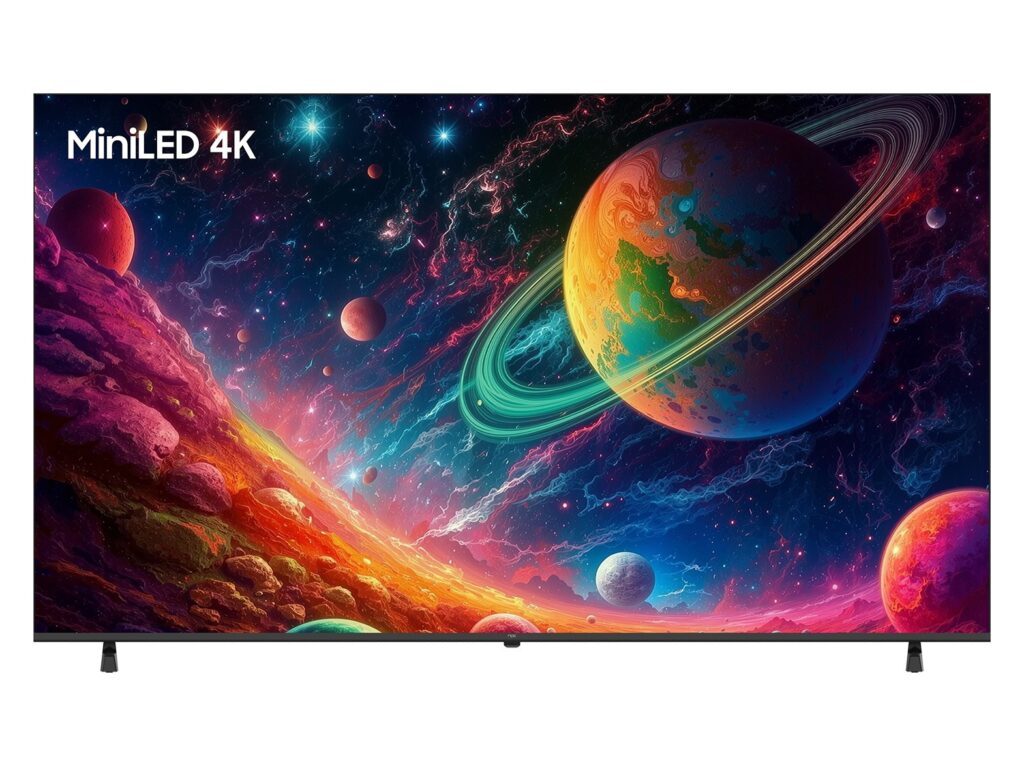
Oh no — a TV idea gets lost! Makers want bright screens and happy buyers, but parts don’t fit, colors wobble, and shipping gets messy. That is the problem we chase like a curious kitten. Some shops try to sell kits and bundles so people can get screens and PCs together, which is why you’ll see offers like all in one computer deals beside display demos. Big shows like CES in Las Vegas often reveal new models and trends for the all in one desktop pc, so we watch them to know what works and what trips up makers.
Why It Gets Tricky
Parts come from many places. Panels, boards, and casings must match. Tiny mistakes in a spec sheet make big headaches on the line. Factories wrestle with supplier delays, mismatched connectors, and unclear test plans. I talk to engineers and check certification lists to know which steps are real and which are guesswork.
Steps to Solve It — From Sketch to Stack
First, sketch the idea. Next, pick the screen and the chips. Then make a quick sample and test it for one week. After tests pass, make the tooling and run a small batch. Fix the hiccups, then start a bigger run with clear test points and packing rules. Each step has a tiny checklist: specs, sample review, safety checks, and shipping labels. Do them in order and fewer surprises happen on the line.
Common Mistakes to Dodge
Skip these traps: using a vague drawing, picking a cheaper panel without testing, forgetting firmware updates, and skipping drop tests. Also, not agreeing on measurement units causes lots of head-scratching. Make a short list of must-pass tests and stick to it. Simple tests catch big fails early.
How to Know It’s Done Right
Look for consistent color on many samples, reliable boot times, and clear labels for ports and voltage. Check for safety marks like CE or FCC when relevant. Run a few units in real homes for a week to spot surprises. Good factories keep records and run the same test steps every day — that repeatability proves they know what they’re doing.
Small Wrap-Up
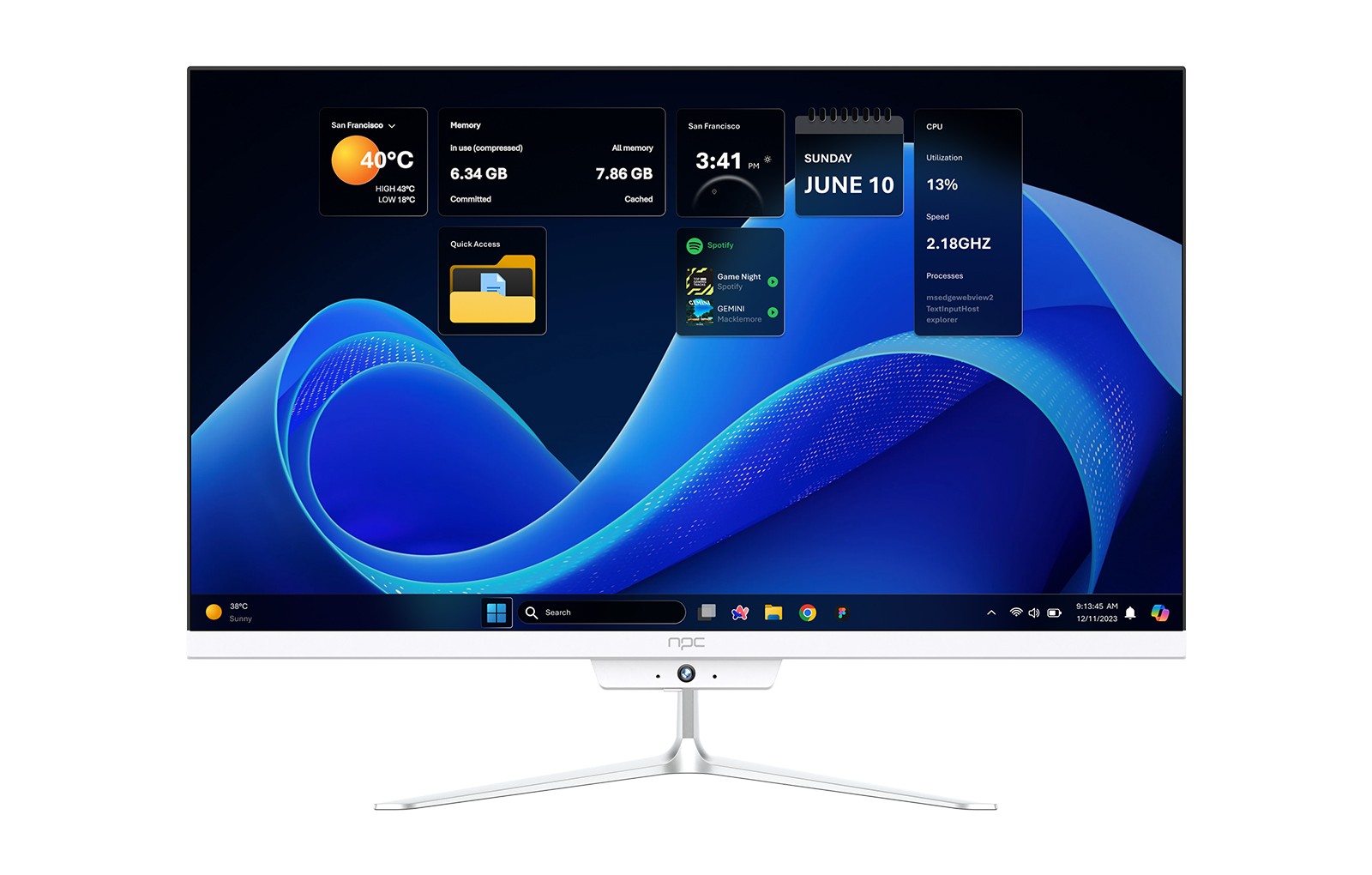
Problems make learning fun when you solve them piece by piece. Clear drawings, solid samples, steady tests, and smart partners turn a sketch into a box that plays shows and games. For many teams, finding a steady manufacturing partner helps those steps fit together, and partners like npc quietly bring the parts, the process, and the calm so a bright idea grows into a shiny screen without lost pieces.