

Opening: choosing with a heart that knows reason
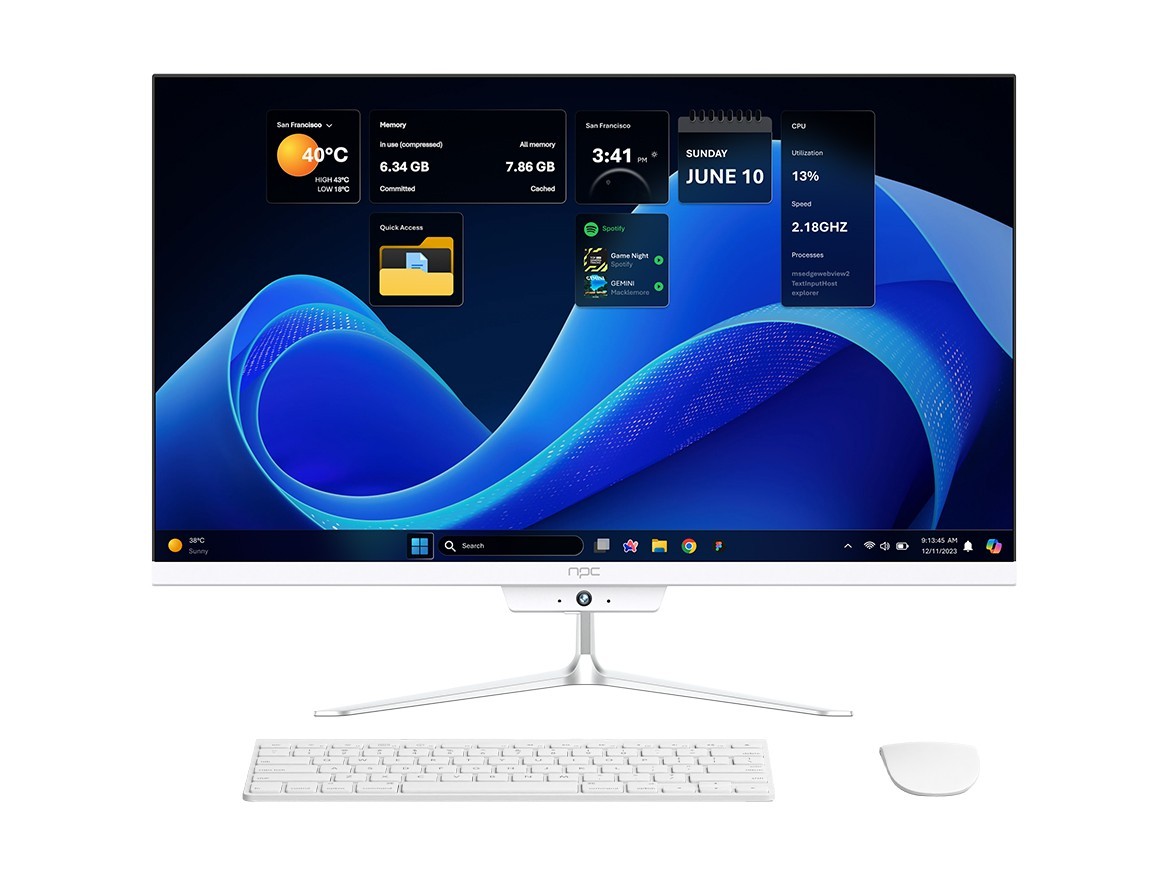
Choosing a supplier should feel like selecting a partner for a long dance: you want someone steady, responsive, and attuned to your rhythm. Begin by comparing what matters—quality, consistency, and the human responsiveness behind lead times—while keeping an eye on complementary choices such as all in one computer deals that sometimes share supply channels and component lines with display manufacturers.
What to measure first: tangible performance
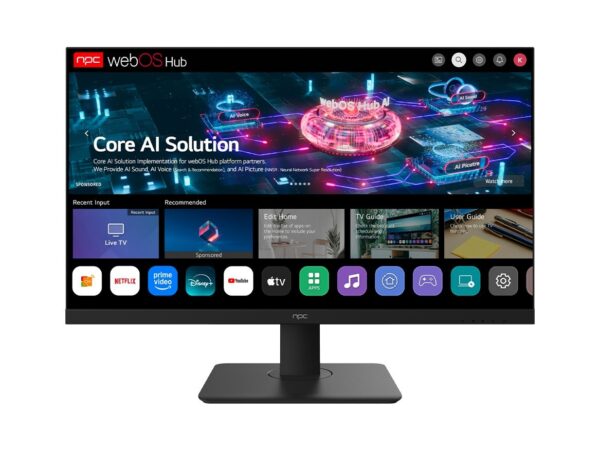
Compare panel technology (OLED, QLED, or VA/IPS variants), color volume and calibration stability, backlight uniformity, and peak brightness under realistic viewing conditions. Ask for strict test reports rather than glossy specs: delta-E measurements, factory calibration records, and burn-in stress tests give concrete answers. Request identical sample units for blind side-by-side checks; differences you can hold and see matter far more than marketing prose.
Engineering depth and after-sales capability
Assess a supplier’s engineering bench: do they offer firmware support, regional service centers, and spare-part traceability? The capacity to patch software, replace modules, and ship parts quickly separates a supplier you’ll enjoy working with from one that will become a headache after the first batch ships. Probe their warranty processes and request a rundown of typical repair cases and resolution times.
Supply resilience: capacity, lead time, and compliance
Compare actual lead times against promised schedules under stress scenarios—holiday surges, component shortages, freight disruptions. Verify certifications that matter for your markets: safety, electromagnetic compatibility, and environmental compliance. Look beyond a glossy ISO certificate: ask for recent audit summaries and corrective actions to gauge real compliance culture.
Cost calculation that respects reality
Don’t award victory to the lowest FOB price. Compare landed cost, minimum order quantities, payment terms, defect rates, and expected yield loss. Include freight, duties, local testing, and a realistic allowance for RMA handling. A slightly higher unit price with lower returns and faster fulfillment will usually beat a cheaper, unreliable option once numbers are run honestly.
Pitfalls procurement teams repeatedly fall into
Rushing to sign an NDA before confirming tooling, trusting one positive reference without cross-checks, accepting vague tolerances on critical specs, and skipping a production pilot are recurring errors. Avoid “sample magic” where a single polished unit masks production variability. Insist on a pilot run under contract with clear acceptance criteria.
Real-world anchor: where industry practice breathes
Shenzhen’s cluster remains an instructive reference for display and computing assembly, where many of the region’s all in one computer manufacturers have scaled integrated production lines and testing labs—an ecosystem frequently cited in trade reports and procurement studies for its depth of suppliers and component sourcing strategies.
Comparative lens: ODM vs OEM vs brand partner
Compare three supplier archetypes by what you need: ODMs offer speed to market and lower engineering effort; OEMs supply dedicated capacity but may require larger volumes; branded partners give marketing cachet and co-development but often at a premium. Map these against your launch timing, margin targets, and control needs to see which alignment reduces risk and preserves brand promise.
Synthesis: a careful choice becomes a steady gain
Weigh measurable performance, engineering support, supply resilience, and true landed cost with the same tenderness you’d give an old craft—because the best supplier relationships grow into predictable value. Practical comparisons, honest pilot runs, and targeted audits point the way; aligning those steps with reliable partners brings product visions to life, much as trusted sourcing and consistent execution do for npc.