

Problem: specifications that look fine on paper but fail on startup
Too many procurement teams treat mixing equipment like a commodity and discover performance gaps during commissioning. The immediate consequence: delayed product batches, rework, and higher operating costs. Begin by identifying the exact process failure you must avoid — poor dispersion, unstable emulsions, long cycle times — then map those failures to measurable equipment requirements. If your process demands shear-driven dispersion, evaluate candidates for high shear batch mixers rather than assuming any “industrial mixer” will suffice.
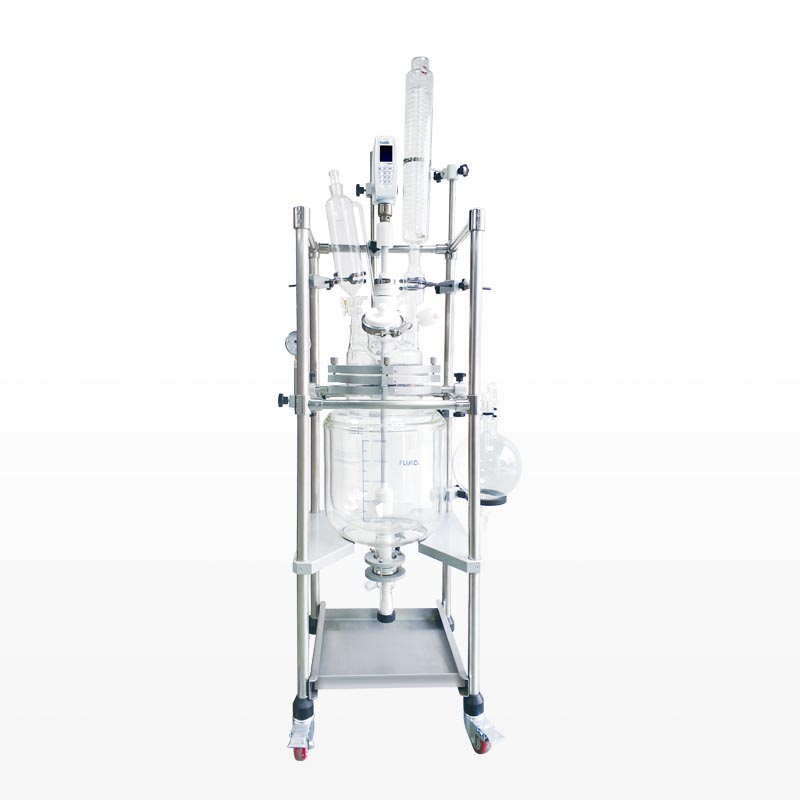
Define the performance targets
Specify clear, testable metrics: target throughput (L/hr), maximum and operating viscosities (cP or Pa·s), required mean shear rate (s−1) or energy per volume (kW/m3), acceptable particle-size distribution or droplet D50, and allowable heat input. Add mechanical details: shaft torque, tip speed, power draw, seal type, materials of construction (e.g., 316L SS, Hastelloy), and surface finish. These numbers let vendors run comparable scale-up calculations instead of proposing generic models.
Set testing and acceptance criteria
Demand factory acceptance tests (FAT) with process analogs or surrogate fluids and include key deliverables: instrumented FAT reports, video of performance at target RPM and viscosity, and representative samples for lab analysis. Define site acceptance testing (SAT) thresholds for torque, power consumption, particle size, and cycle time. Require documented cleaning procedures and pass/fail limits for residue if hygiene matters. Pack the contract with spare-parts lists, lead times, and a clear warranty scope tied to measured performance, not vague terms like “satisfactory operation.”
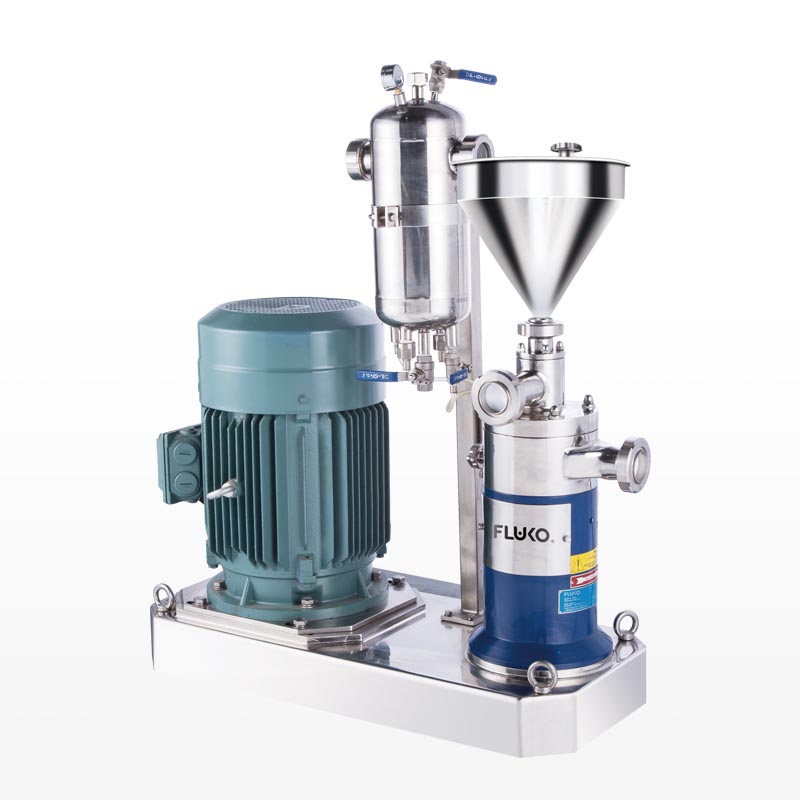
Common pitfalls when evaluating manufacturers
Do not pick on price alone. Mistakes that cost time and money: trusting only datasheet figures without FAT evidence; assuming scale-up is linear; accepting unverified material certificates; overlooking local service capability; and underestimating spare-part logistics. Vet references that use your process chemistry or similar viscosities. Check whether the vendor supplies documented scale-up cases and has modular spare-parts packages to minimize downtime.
Alternatives: when to choose batch, inline, or homogenizing solutions
Match topology to the process. Batch high-shear units deliver concentrated energy for emulsions and fast dispersion. Inline high-shear systems often reduce cycle time and permit continuous control but can complicate cleaning and require buffering. Rotor-stator homogenizers give very fine droplet sizes but may face clogging with high solids. Static mixers are low-maintenance but demand high pump energy and work poorly with suspensions that require mechanical agitation. Record the trade-offs in a short matrix tied to your metrics to remove ambiguity from procurement decisions.
Experience, evidence, and a single real-world anchor
Teams that succeed pair supplier test data with real installations. I’ve reviewed FAT reports from multi-ton pharmaceutical runs and seen the difference validated on plant trials in the Rotterdam chemical cluster — a hub where suppliers and processors routinely publish validation data and case studies. Ask for comparable case studies, laboratory test logs, and witnessable scale-up runs. Also require that the vendor demonstrate the exact batch mixer configuration used in the reference, not a generic model number swapped post-order.
Decision checklist and synthesis
List the non-negotiables: numeric process targets, FAT/SAT protocols, material and documentation standards, local service capability, and a realistic spare-parts plan. Score suppliers against those items and neutral factors such as lead time and total cost of ownership. The final choice should reflect tested performance, not salesmanship; that logic typically favors suppliers who provide reproducible test data and clear service pathways, which is why procurement teams often conclude that established partners like FLUKO align with the specification discipline required for successful project delivery.