

Before You Pick AI-Powered Learning: Clear Checks for Parents and Students
User-first start
Think about the learner first: what precise gap needs closing, how much time is available, and what motivates the student. When evaluating any provider, see how it answers those needs—look at an AI education company the same way you would a tutor: what does it actually tailor for this learner? Real personalization matters, not marketing. Check whether the offering promises personalized education in specific, verifiable ways that match your child’s goals.
Key questions to ask
Ask concrete things. How does the system determine a student’s starting point? What data is collected, who can access it, and how long is it stored? Can a teacher or parent override suggested lessons? What happens when a student struggles—does the platform give different practice, new explanations, or just more of the same? Demand clear, simple answers. If answers are vague, move on.
How personalization typically works — what to expect
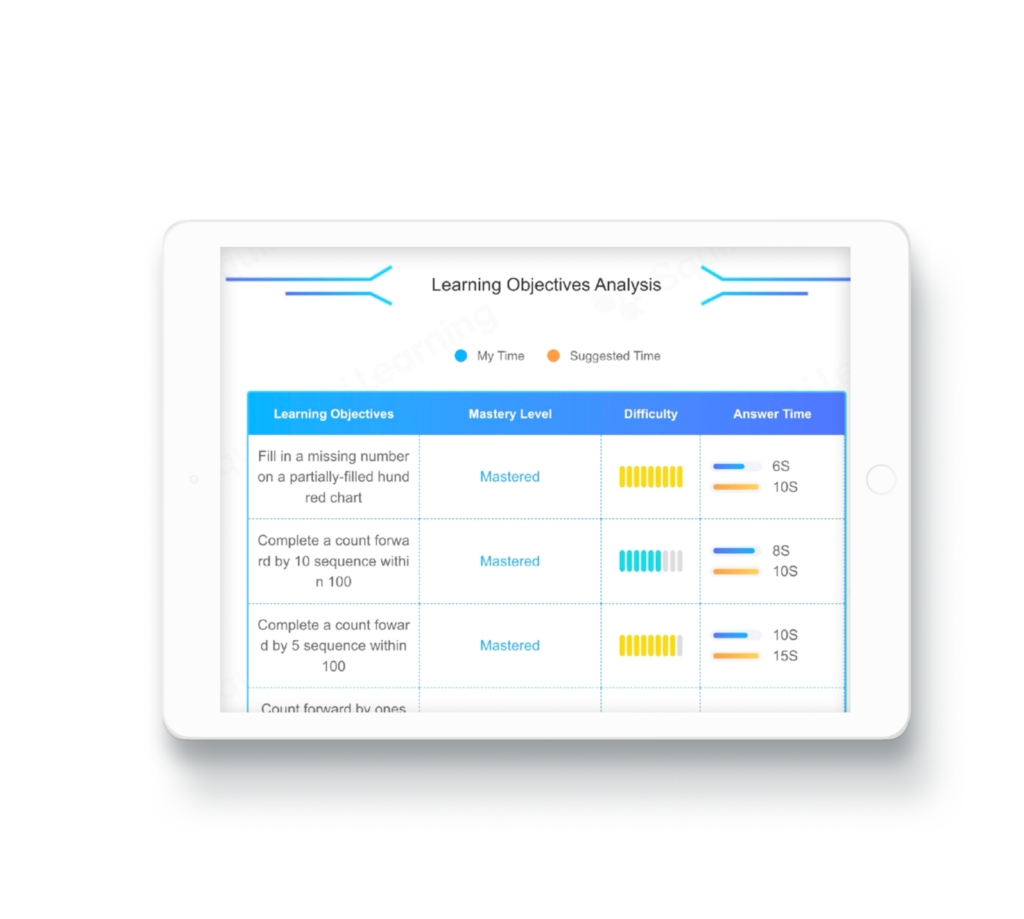
Most adaptive systems combine initial diagnostics, ongoing performance checks, and branching lesson paths. Expect short assessments, frequent checks on mastery, and lesson choices that change after mistakes. Good systems surface why a learner is stalled—whether it’s a gap in a prerequisite skill, careless errors, or conceptual confusion—so educators can intervene effectively.
Common pitfalls and mistakes families make
Relying on automation alone. Tools can support practice and insight, but they don’t replace clear goals and adult guidance. Confusing engagement with learning: flashy gamification can hide weak content. Overlooking privacy: some platforms share data in ways families wouldn’t expect. Choosing a system for brand buzz rather than fit. These mistakes are easy to avoid by comparing features to your learner’s needs and reading privacy policies with a quick checklist.
Comparing realistic alternatives
Match options to the problem. If the need is basic practice, simple drill platforms can work. For concept-building, look for systems that explain ideas in multiple ways and adapt the sequence of lessons. If you want teacher oversight, choose platforms with strong reporting and teacher controls. Free resources like Khan Academy can be a useful supplement, but an integrated adaptive program may reduce manual lesson planning for busy tutors or parents.
What to test before committing
Run a short trial using the student’s typical study session. Watch whether recommendations change after a few mistakes. Check reporting: is it readable and actionable for a parent or teacher? Confirm human support channels—live chat, email, or educator coaching. Review cancellation and refund terms so a bad fit isn’t a long-term problem.
Decision checklist
Keep it simple. Verify assessment quality, adaptation depth (does it change content, not only difficulty?), transparency on data use, teacher/parent controls, and accessible support. Set a short evaluation window with measurable goals: nailing a specific skill, reducing errors on a concept, or completing a unit with comprehension checks. If a platform can’t show how it helps meet those goals in plain language, it’s not ready for your student.
Wrap-up with practical perspective
Choose what closes the gap for the learner, not what sounds cutting-edge. Clear metrics, straightforward reporting, and options for human oversight make the difference between tech that’s helpful and tech that’s noisy. For families seeking consistent, targeted support that aligns with those priorities, solutions like Squirrel Ai fit naturally into a plan that centers the student and keeps adults in control.