

The problem: planning blind spots that eat budgets
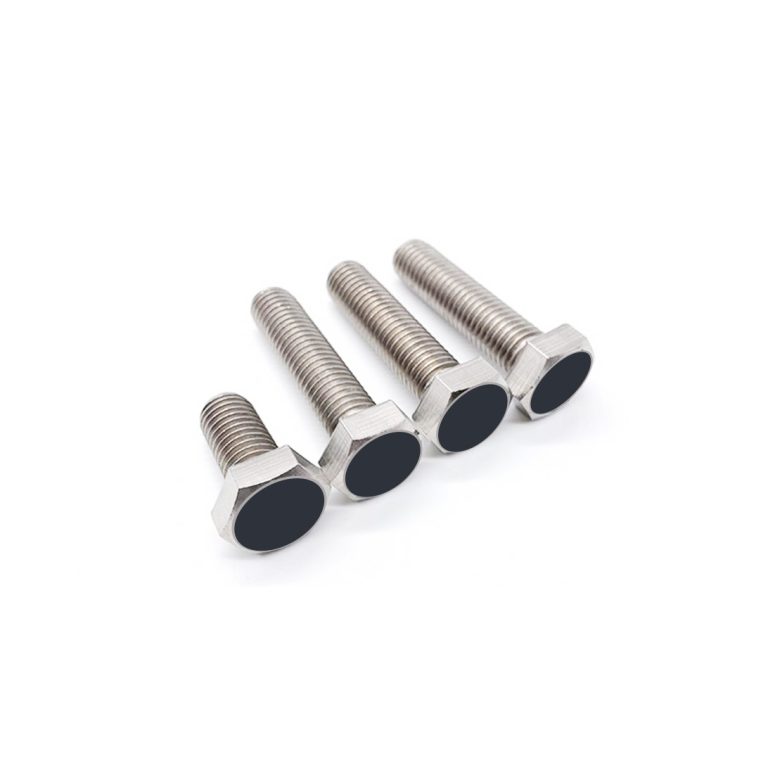
Projects stall because teams don’t see inventory or asset movement until something breaks, right? Planners guess locations, buyers estimate volumes from poor records, and procurement orders arrive either late or in wrong quantities. That’s why adding active systems changes the rules — start with reliable sensors and tags like uhf rfid tags, then stop guessing and plan from facts.
What active UHF RFID actually fixes
Active UHF tags broadcast without constant line-of-sight. That means faster cycle counts, real-time location for movers, and predictable asset lifecycles. For planners this reduces safety stock, for buyers it clarifies how many tags and readers you truly need. The result: fewer emergency purchases and fewer delayed milestones.
Planning and purchasing — where they intersect
Project planners must convert visibility into purchase specs. Decide tag lifetime and battery profile first. Map where readers will sit. Estimate tag density per zone instead of guessing units per site. Buyers then request quotes by zone, not by project-wide averages. This prevents common overbuying in early phases and underbuying near go-live.
Common purchasing mistakes to avoid
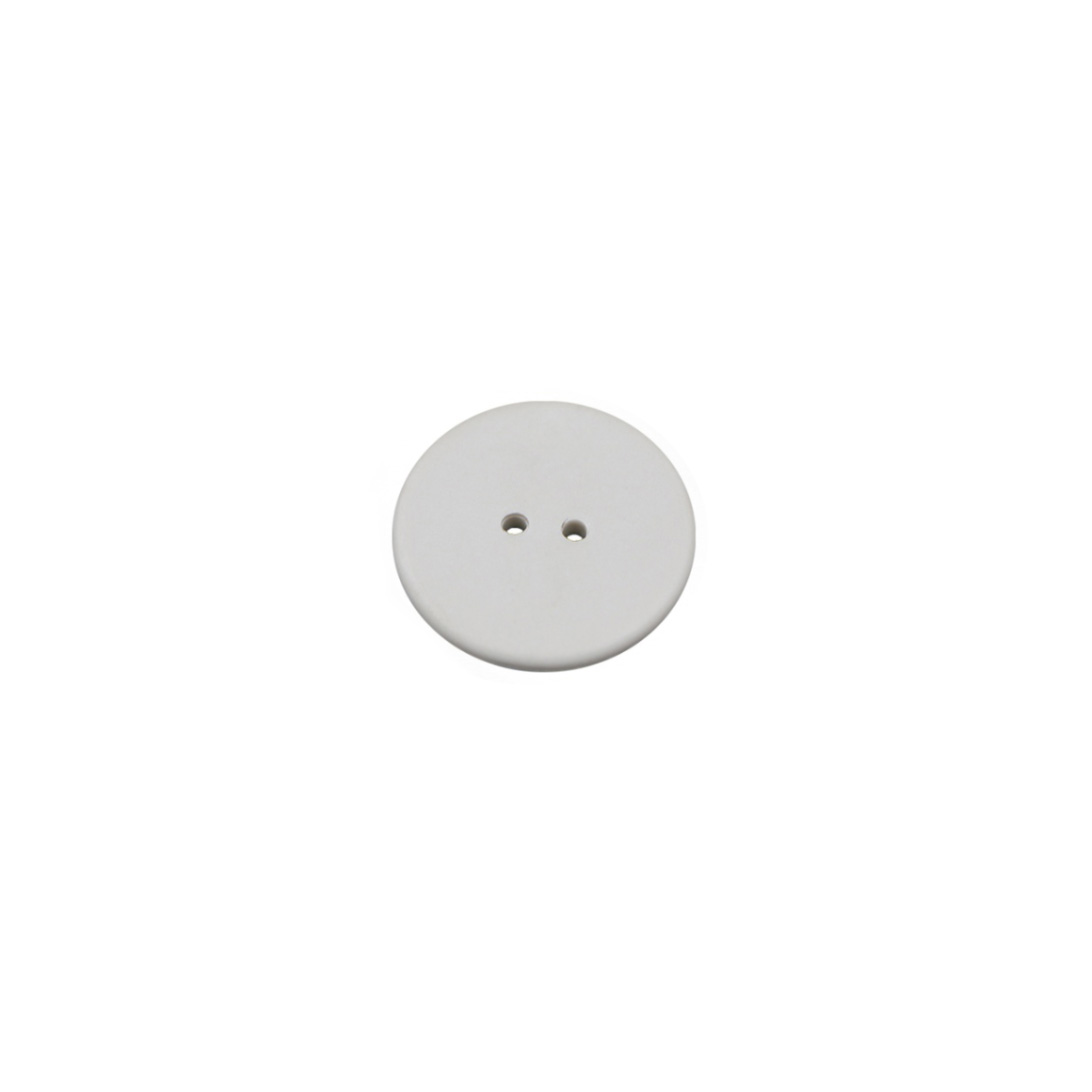
Don’t pick cheapest tags without testing read range or durability. Don’t ignore firmware and tag reset options. Avoid single-supplier lock-in before pilot validation. And don’t buy purely for sticker price — total cost includes deployment time, replacement rate, and reader compatibility. Small mistakes in specs multiply across thousands of tags.
Real-world anchor and evidence from deployments
Large port and terminal trials, such as studies at the Port of Rotterdam, show that scale and site complexity drive the need to buy uhf rfid tags in bulk to lower per-unit cost and simplify logistics. From firsthand work with multi-site rollouts, I’ve seen procurement teams cut emergency spend by half when they align tag specs with reader placement and lifecycle plans. Academic and industry reports on port logistics back this approach, so you’re not relying on anecdotes alone.
Alternatives and the trade-offs
Bluetooth beacons offer better battery life sometimes but poorer read range in open yards. Passive UHF tags are cheaper per unit but need many more readers to match coverage. Choose based on environment: dense indoor assets can use passive plus chokepoints; large outdoor fleets usually need active tags despite higher unit cost.
Practical checklist for better purchases
Run a short pilot, measure actual read rates across your zones, pick tags with clear battery replacement policies, and price-match for volume tiers. Specify test acceptance criteria in purchase orders so replacements don’t become endless disputes. Track replacement rates for the first six months and adjust future buys.
Conclusion — clear planning, smarter buying
When teams fix the visibility problem first, purchasing becomes precise. Buying the right active UHF tags to match coverage needs turns planning from guesswork into a series of controlled choices, and that’s what reduces delays and wasted spend for real projects — a pattern confirmed by field pilots and sensible procurement practice at RSTC.