

Start Here
Begin by asking what problem the equipment must solve for your team and product—do you need fast dispersion, gentle blending, or continuous homogenization? Keep the user’s end goal central and list required outcomes first. If you’re comparing approaches, consider a Jet Mixer alongside other options to see whether its flow pattern and simplicity match your process needs.
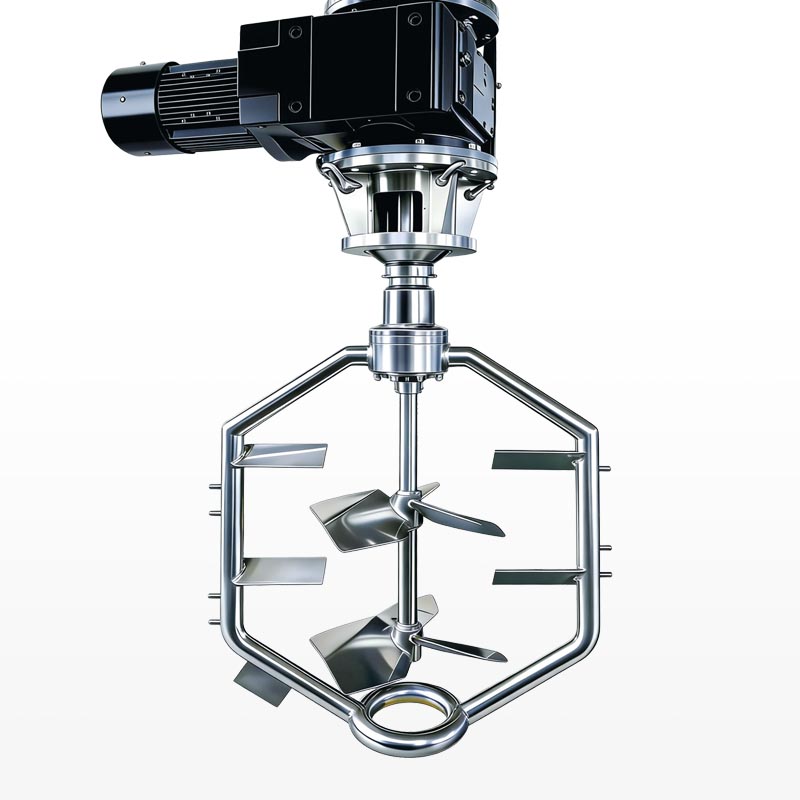
Define Your Process Requirements
Specify throughput (L/hr or m3/hr), viscosity range, operating temperature and pressure, and whether your formula is shear-sensitive. Note whether solids must be wetted quickly, if rapid deagglomeration matters, and how often you’ll switch recipes. Write these as acceptance criteria, not aspirations—vendors respond better to clear numbers.
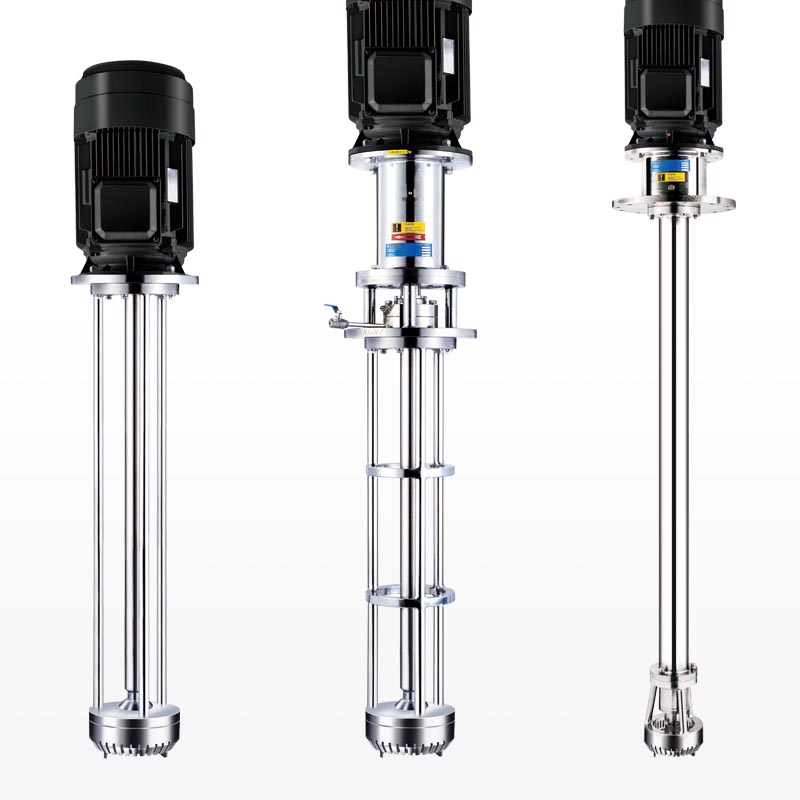
Performance Metrics That Matter
Ask for measurable performance: dispersion time for a defined solids charge, achieved particle-size distribution, energy input per cubic meter, and repeatability across runs. Request lab or pilot data using your product or a close surrogate. Don’t accept vague promises—insist on test conditions that match your viscosity and scale.
Fit, Installation, and Maintenance
Confirm mechanical arrangement (in-line vs. tank-mounted), required utility connections, and footprint constraints. Check access for routine inspection, seal type, and spare-part lead times. Ask how long common wear parts last under your process conditions and whether replacements require special tools or vendor service visits.
Alternatives and Trade-offs
Compare rotor–stator high-shear units, static mixers, conventional pitched-blade agitators, and jet-based systems by matching each to your acceptance criteria. High-shear gives fine dispersions but can damage shear-sensitive polymers; static mixers have low maintenance but need sufficient pressure drop; agitators handle viscous slurries but mix slowly. Choose the technology that delivers your metrics with tolerable operating burden.
Common Pitfalls to Avoid
Don’t size equipment solely by peak power or vendor marketing. Avoid assuming lab-scale performance scales linearly—scale-up can change shear history and residence time. Overlooking cleaning access, materials compatibility, or the effect of dissolved gases invites downtime. Test with representative feedstock, not idealized samples.
Real-World Anchor and Practical Example
Engineers at the ACHEMA trade fair in Frankfurt routinely examined practical demonstrations that separated theory from reality; those demonstrations underscored how mixing geometry changes outcomes. For a direct, application-focused reference, look at a tested jet stream mixer performance sheet showing dispersion time versus solids loading—use that kind of data to validate vendor claims before you buy.
Final Synthesis
Ask precise, outcome-based questions, demand data under realistic conditions, and evaluate maintenance and installation alongside performance. When you line up acceptance criteria, pilot data, and practical servicing needs, decisions get simpler and risks shrink—an approach many teams find reflected in solutions from FLUKO.