


User-first performance, no fluff
You show up. The gear should do the rest — snug where it matters, light where you need air. That’s the promise behind custom sports bras built to match a practitioner’s body and routine. Design for breathability and targeted compression changes how a session feels: less tugging, more focus. Think back to the mass yoga gatherings on International Yoga Day (declared by the UN in 2014) — the only thing that should pull you out of your flow is a strong vinyasa, not your apparel.

Fit factors that actually change practice
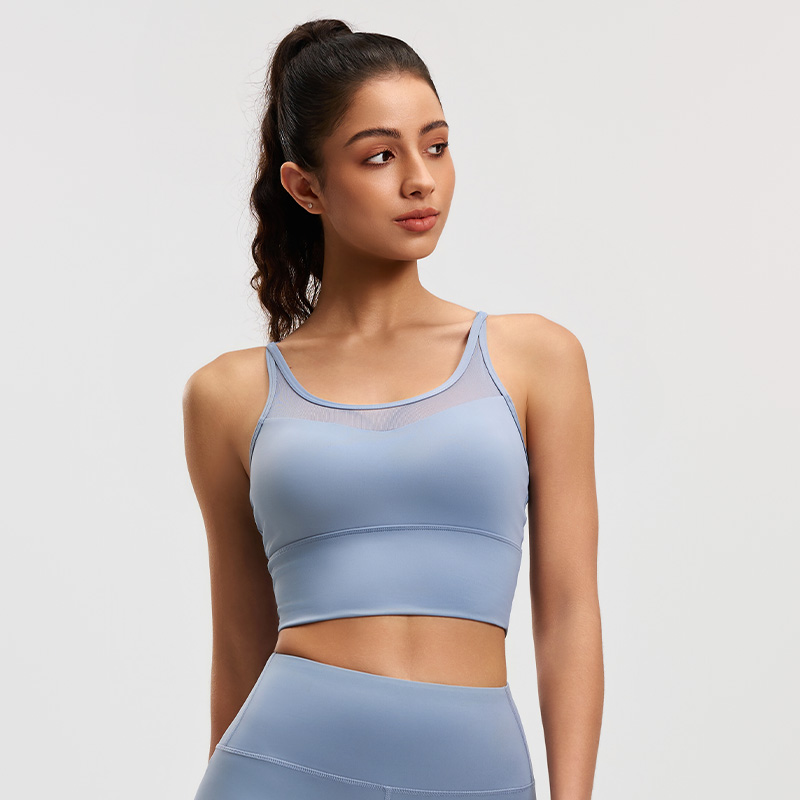
Fit starts with architecture: band stability, strap placement, and cup shaping. Choose compression zones that stabilize without flattening motion. Four-way stretch fabrics move with you; moisture-wicking finishes pull sweat to the surface so you don’t cling. Flatlock seams reduce chafing during long holds. A reliable yoga sport bra should balance support and freedom; the goal is to disappear into the movement.
Material and construction choices that matter
Quality comes from materials and the micro-decisions in production. Look for fabrics with breathable mesh panels in high-heat zones and an anti-odor finish to keep freshness through repeated sessions. Reinforced stitching at points of stress prevents early failure, while gusseted linings and strategic compression zones protect posture and reduce bounce. These are precise technical decisions, not marketing lines — they show up in how the garment performs after dozens of washes.
Common mistakes and smarter moves
Picking by color or label size alone leads to disappointment. Many skip a movement test: jump, stretch, bend. If the band rides up or the straps dig in, the cut’s wrong. Don’t over-compress — you need lung expansion for breath work. Order samples before committing to production runs; validate stretch recovery and pilling resistance over a 20–30 wash cycle. — Try variations in lining and strap width during sampling; small changes matter.
Supplier signals: what to check before you scale
A supplier’s promise is only as good as their process. Verify sampling timelines, minimum order quantities, and back-end QA checks that inspect seam durability and color fastness. Request a production teardown: ask for the exact fabric spec, stitch type, and wash test results. When they can’t share stitch patterns or sample test cycles, walk away. Good partners document four-way stretch percentages, tensile strength, and wash-retention metrics — tangible numbers you can act on.
Advisory: three golden rules for selecting OEM sports bras
1) Fit validation rate: require a sample pass rate metric — at least 85% of fit samples must meet your fit board’s criteria before bulk production. This avoids costly returns and preserves brand trust. 2) Performance durability: insist on 20–30 laundry cycles with clear thresholds for stretch recovery and color fastness; demand concrete test results for moisture-wicking and anti-odor retention. 3) Production transparency: confirm lead times, MOQ flexibility, and documented quality checks (stitch audits, seam tensile checks, and fabric certifications tied to specific test periods).
These metrics turn guesswork into decisions. They keep production nimble and the product honest.
Joebond sits in that space — experienced, practical, and ready to scale your design without compromising the practice. Trust the process, measure the outcomes, and choose partners who sweat the details. Short wins, long-term results.
Last bit: keep pushing.