

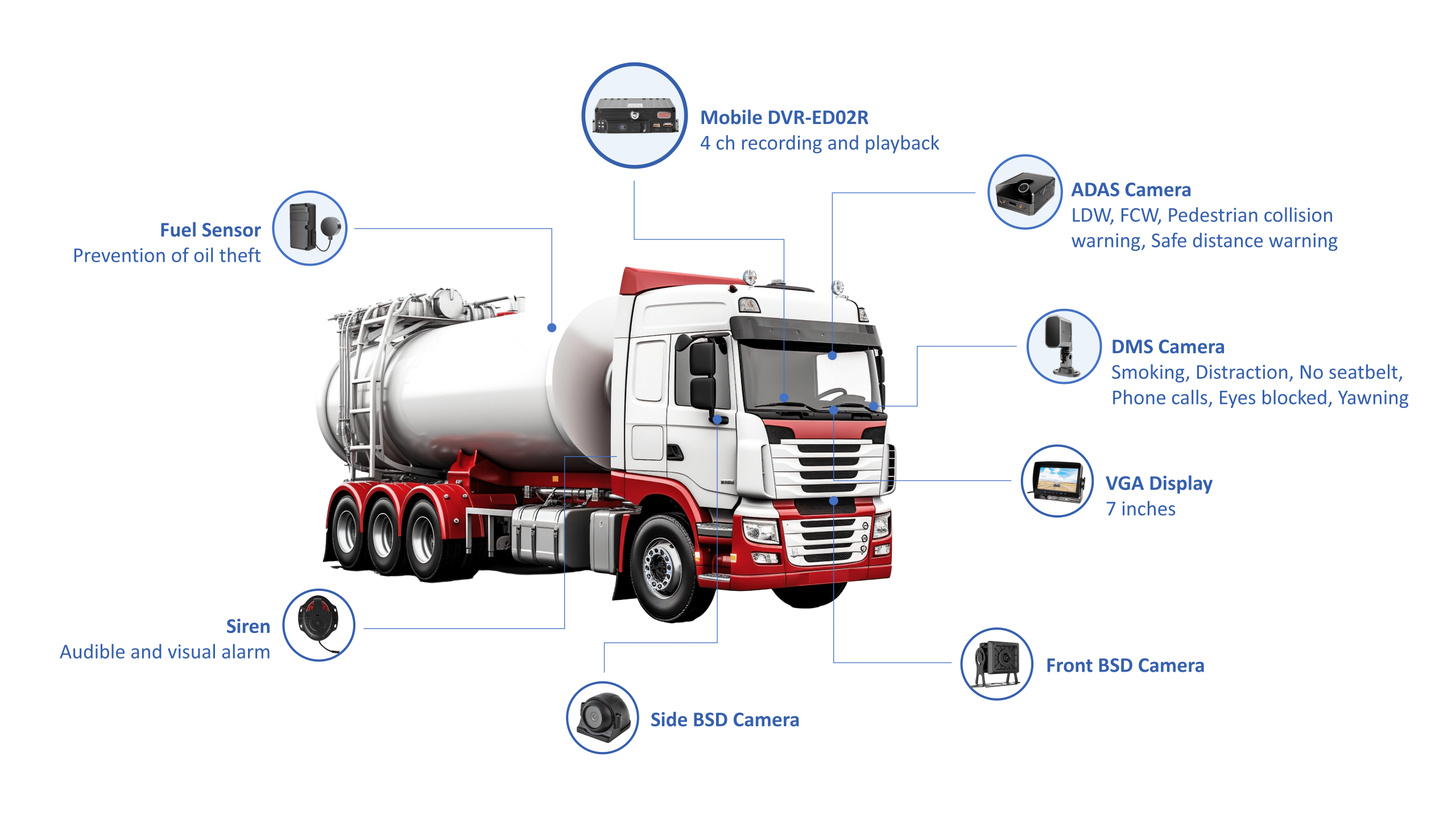
What fleet managers worry about first
Problems hit quick: false claims, unpredictable driver behaviour, time lost on investigations, and mountains of unusable footage. Right from the jump, fleets asking for an AI dashcam want proof it stops headaches — not adds new ones. Operators also look for a practical dash cam for fleet vehicles that fits daily routes, cameras that keep recording without eating data, and alerts that matter. I worked alongside fleet teams on the I-95 corridor once, so I know how rapid incidents stack up on high-traffic routes; that experience shapes the answers below.
Root problems the right solution must solve
Short list of core failings to avoid:- Unclear footage: low resolution, bad angles.- Too much noise: alerts that fire every minute and get ignored.- Storage headaches: footage scattered across devices, no easy export.- Privacy/legal gaps: driver consent and jurisdiction rules.Target those four and you solve 70% of fleet pain. The rest is detail: mounting, power, network plan.
How AI changes the calculus — practical effects, not hype
AI should filter, not flood. Expect these concrete capabilities when AI works right:- Event tagging: collision, harsh braking, lane departures flagged automatically.- Short clips: system exports 8–30 second incident clips rather than full-hour files.- Driver-facing alerts tuned to reduce distraction.These features cut time spent on investigations and make claims clearer. Real-world testing shows clipped, tagged footage speeds up claim resolution versus raw footage searches.
Choosing hardware and software — the checklist
Pick units that meet these basics:- 1080p or better front camera; optional side/rear modules.- Local buffering when cellular drops, automatic upload when connected.- Tamper detection and secure hashes so footage is admissible.- Simple fleet dashboard with export and retention controls.Check warranties and firmware update frequency. A good system will let a dispatcher pull an incident clip fast, and let the driver review footage on the spot.
Common implementation mistakes and how to avoid them
Don’t fall into these traps:- Overloading with cameras before you know what you need. Start with front and driver-facing, then expand.- Ignoring power draw; some rigs need hardwired kits so cameras don’t drain vehicle batteries.- Skipping training. Drivers must know when cameras record and how clips are used.- Forgetting data policy. Define retention periods and who can access footage.Simple pilot runs with a handful of vehicles expose these faults fast and keep rollout sane.
Comparing options: what matters most
Choices often come down to three areas: video quality, AI accuracy, and backend usability. Judge vendors by:- How often firmware updates arrive.- Whether their AI reduces false positives in real-world traffic.- How easy it is to export evidence for insurers or courts.Ask for a short trial and run it through common incident types your fleet sees.
Quick operational tips for immediate improvement
Small changes yield big results:- Mount cameras at factory-recommended points for consistent sightlines.- Create an incident triage protocol: who reviews clips and within what time.- Set retention rules by severity: critical incidents retained longer.- Combine dashcam clips with telematics data for clearer timelines.These actions reduce admin time and make footage useful the moment it’s recorded.
Alternatives and trade-offs
If you cannot deploy AI right away, keep options simple:- High-resolution non-AI cameras plus manual review for critical incidents.- Telematics-only for location and speed logging, paired with spot camera checks.Expect more labour cost with non-AI routes; the trade-off is lower initial expense and easier privacy control.
Final synthesis — the practical value you should expect
Problem-driven choices get results: reduce investigation time, cut disputed claims, and make driver coaching fact-based. Get a system that filters events, protects footage integrity, and fits your power and data plan. Practical deployments and honest trials build trust faster than promises. For fleets wanting a measured, useful solution, look to partners who stand by hardware, software updates, and field support like BSJ — the kind of team that treats footage as evidence, not just video files.