

Introduction: A Short Scene, Some Numbers, and One Simple Question
I once stood at a busy depot watching buses glide in, connect, and leave—on schedule, almost like clockwork. The scene looked ordinary, but the detail that caught my eye was the quick, almost ceremonial rise of the pantograph arm as it met the bus roof. That small motion matters: a pantograph charger handles kilowatts of flow in seconds, and fleets report uptime improvements of 10–30% when properly integrated (yes, real-world figures). So why do so many operators still treat the pantograph as an afterthought?
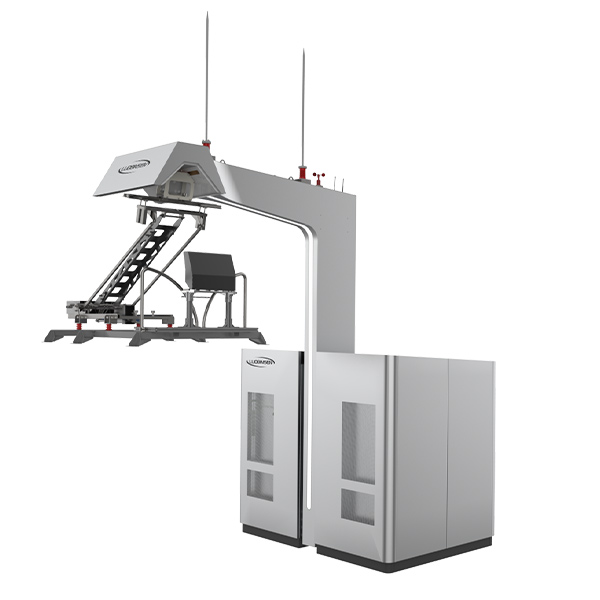
I mention the pantograph charger because it’s the junction where solid mechanics meets high-power electronics. You need good contact, reliable actuation, and the right power converters behind it. I’m talking about real parts: contacts, actuators, power converters, and sometimes edge computing nodes that manage the session. Fleet managers often track vehicle availability and charging cycles, but few look closely at the handoff point—the pantograph—where small failures create big delays. What follows is not a lecture. It’s a practical look at the flaws we see, and the user pain that’s hiding in plain sight. Let’s dig in.
Deeper Layer: What’s Wrong with Traditional Solutions?
How do simple faults become big headaches?
The main topic here is pantograph ev charging, and I’ll be direct: legacy designs assume perfect alignment and neat maintenance schedules. They don’t account for real-world wear—abrasion on the pantograph collector, rising contact resistance, debris buildup. When contact resistance grows, energy losses rise, heat forms, and operators see flicker or interruption. Look, it’s simpler than you think: a small increase in resistance changes current flow and trashes session reliability. That’s why you’ll hear talk about contact resistance, mechanical tolerances, and power converters failing under strain.
Another blind spot is control logic. Older systems rely on fixed timing and crude sensors. They miss nuanced feedback that modern power electronics and edge computing nodes can provide. So what happens? The charger either waits too long to disengage, or it forces a disengagement that leaves vehicles partially charged. — funny how that works, right? The cost is not just hardware replacement; it is lost schedules, driver frustration, and extra maintenance loops. From my work with operators, the hidden pain points are operational: misscheduled routes, degraded battery health from repeated partial charges, and the human cost—tired drivers, anxious dispatchers.
Forward Look: New Principles and Comparative Outlook
What’s Next for pantograph systems?
Moving forward, I focus on two paths: smarter control and cleaner mechanical design. The future favors systems that combine better power electronics with adaptive control—think closed-loop feedback, improved actuation, and sensors that detect contact quality in real time. When a pantograph ev charging system can measure contact resistance instantly and alter approach speed or clamp force, uptime improves and thermal stress drops. We’re not talking fantasy; these are practical changes: upgraded power converters, better materials for collectors, and simple diagnostic firmware that flags problems before they escalate. The result is smoother operations and lower life-cycle cost — and yes, operators notice the difference quickly.
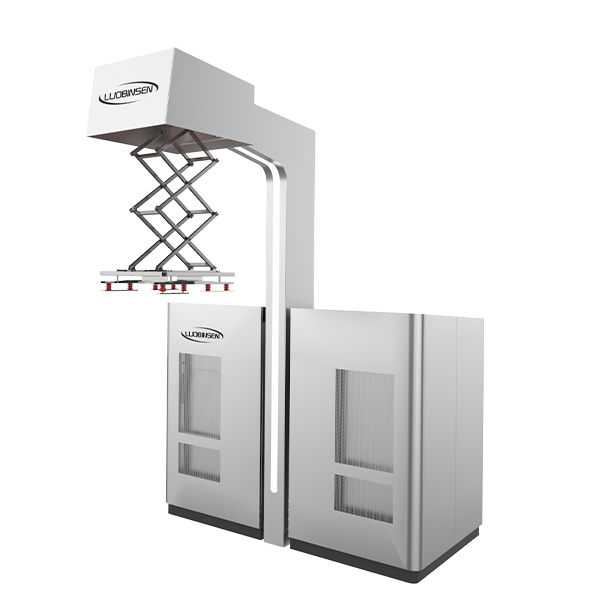
To compare, older pantograph setups feel like manual transmissions—dependable when tended, fragile when neglected. Newer systems behave like modern automatic fleets: they compensate, adapt, and provide diagnostics. For managers choosing between retrofit and replace, I recommend three evaluation metrics: 1) Real-time contact diagnostics (can the system detect rising contact resistance?), 2) Response time of the control loop (how fast does the system adjust actuation or current?), and 3) Lifecycle support for power electronics and spare parts (are parts readily available and supported?). These three points separate small tweaks from meaningful upgrades. I’ve seen fleets cut downtime and reduce repair bills simply by prioritizing these metrics. — and that makes the whole operation less stressful for people on the ground.
We’ve been pragmatic here: I’ve shared what I’ve seen, what breaks, and what fixes things. If you want a partner that understands both the hardware and the operations, take a look at solutions from Luobisnen.