

Introduction — a quick shop-floor scene
I once stood on a sticky factory floor watching a slow line of machines cough out half-finished packs while operators swore under their breath. As a wet wipes machine manufacturer, I know those nights: one bad roll slitting cut, and the whole shift stalls. The market for wipes is booming (think billions of units a year) and production targets keep climbing — so why are simple faults still eating uptime? — funny how that works, right? Data shows even small downtime items can shave 5–10% off monthly output. So what gives, and where do we start fixing it? Let’s walk through the real problems next.
Why standard fixes fall short
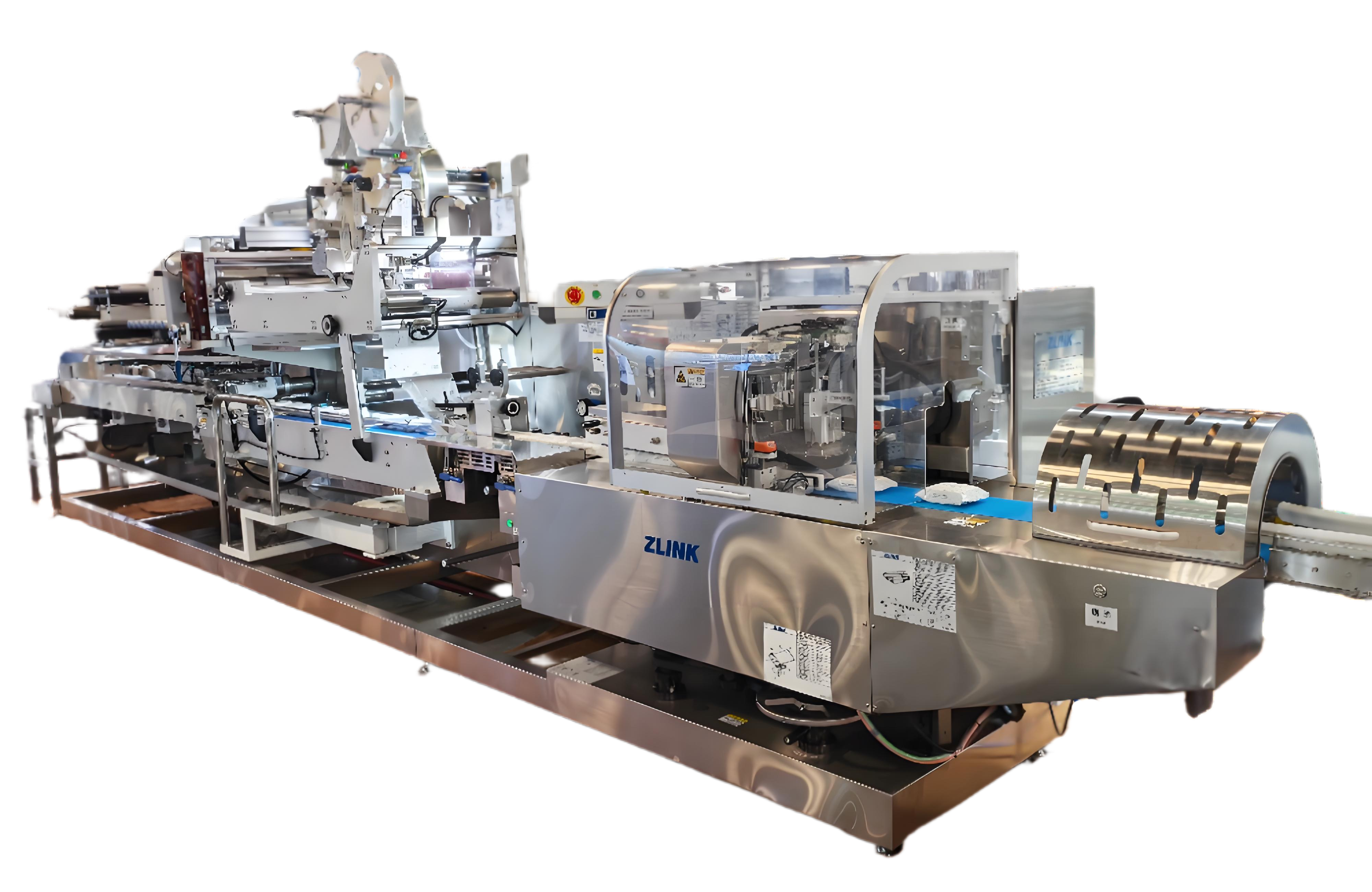
When I talk about disinfectant wipes, I see two kinds of failures: machines that weren’t designed for real shifts, and maintenance plans that assume miracles. The classic recipe — basic PLC logic, a couple of servo motor tweaks, and hope — doesn’t cut it. In many lines the filling line under-doses, the packaging line misfeeds, and pneumatic valves stick after long runs. Look, it’s simpler than you think: poor sensor placement and weak control loops cause most repeat jams. We try short-term band-aids (extra operators, speed cuts). Those fixes buy a day, not a future. Also — and yes, that matters — training is thin. Operators get quick tips, not real troubleshooting skills. The result? Repeated stops, scrap, and angry customers.
So what exactly trips the line?
Misaligned roll slitting and poor tension control are top culprits. Add in outdated PLC schemes that don’t talk to servo drives properly, and you have a recipe for frequent stoppages. When parts like the feed spindle or capping head are tuned to old specs, the system fights itself. I’ve seen simple sensor drift cause a whole shift of rejects — small things with big consequences. We need to look deeper than “fix the part” and ask how the whole line behaves under pressure.
What’s next: principles and practical steps
Moving forward, I believe the best improvements come from principles, not gimmicks. For disinfectant wipes production, start with better feedback loops: more reliable sensors, smarter PLC logic, and servo motor profiles matched to real loads. Add condition monitoring (edge computing nodes can help) so faults show up before they stop production. That’s the principle. In practice, we retrofit smarter tension control, swap in robust power converters for the drive trains, and redesign the feed path to reduce jams. These changes cut downtime and make maintenance predictable — which your crew will thank you for.
Real-world impact
I’ve guided plants that switched to predictive alarms and tightened control schemes. The results were concrete: less scrap, fewer emergency repairs, and steadier output across the week. You don’t need a full factory overhaul to gain ground — targeted upgrades on the filling line and roll handling yield big returns. And remember: training the team to read alarms and act fast is as important as the hardware itself.
Three metrics I use when evaluating new solutions
Here are three things I check before I sign off on any upgrade: 1) Mean Time Between Failures — does the change actually extend run time? 2) Repair Turnaround — how fast can a common fault be fixed on the floor? 3) Net Throughput Gain — real output after accounting for setup and training time. Use numbers, not guesses. If a vendor can’t show you those figures, walk away. We want measurable gains, not marketing buzz.
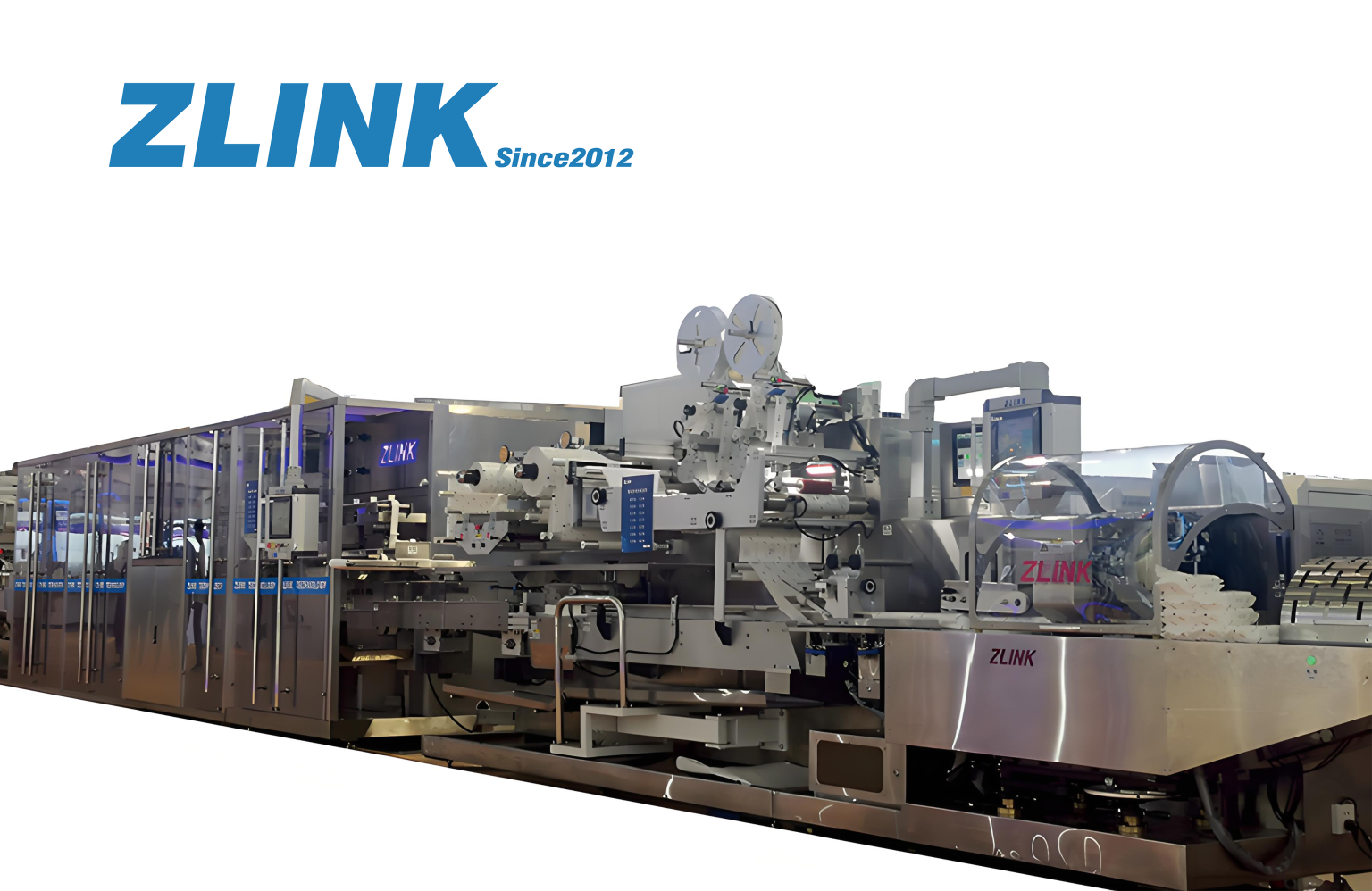
I’ll say it plainly: choose practical fixes over flashy claims. We’ve tried both. Practical wins. — and if you want to see how a focused upgrade looks in practice, check what reliable partners can do for your line. For straightforward support and sensible upgrades, consider ZLINK.