

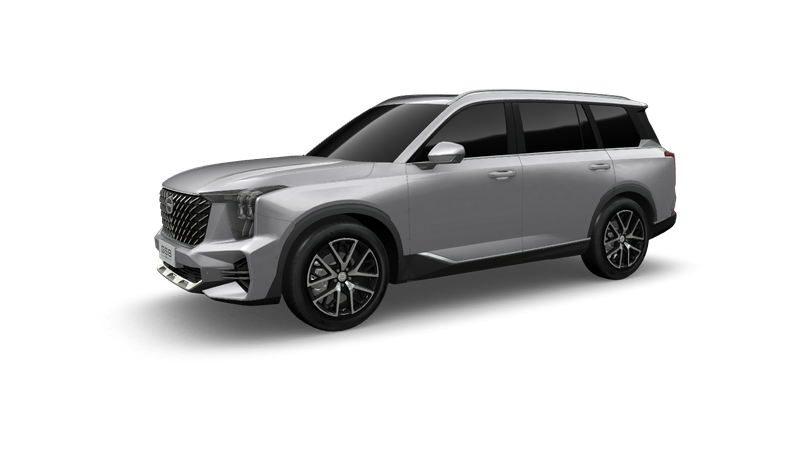
Quick read — why this matters
Yo, if you’re weighing a GAC against the usual suspects — BYD, MG, or the Euro mains — you gotta see how it stacks in real terms, not hype. I scoped GAC’s push at Auto China in Beijing and that gave a clear sign they’re chasing export playbooks; for folks hunting inventory, peep GAC for sale so you know what’s actually moving. This piece compares what matters: price versus range, aftercare, and how buying in Europe actually plays out.
What GAC brings to the table
Short version: GAC offers solid hardware for the price band it sits in. Expect competitive battery sizes, pragmatic interiors, and features that target value buyers rather than flashy premium touches. The company’s engineering focus leans toward proven tech — not always bleeding-edge — which lowers mechanical surprises down the road.
Side-by-side — how GAC compares
Compare cleanly, no fluff:
– Range and efficiency: similar to mid-tier Chinese EVs; competitive on WLTP-equivalent figures, but expect real-world range to dip depending on European winter and motorway use.
– Build and finish: better than bargain imports, slightly behind established European brands on fit-and-finish.
– Price-to-kit: strong — you often get more standard ADAS and infotainment features for the money.
– Servicing and parts: still catching up in Europe; warranty terms can be generous, but dealer coverage varies by country.
Buying in Europe — practical steps
Buying a GAC in Europe requires more than clicking “buy.” Follow these moves:
– Confirm homologation: ask the seller for EU-type approval or national homologation papers.
– Check dealer network: some countries have official import partners; others depend on smaller distributors — confirm where you’ll take it for warranty work.
– Verify warranty transfer rules: sometimes warranties differ between domestic Chinese sales and exported units.
– Test delivery logistics: if it’s an import batch, lead times and customs fees show up; get those numbers up front.
Common pitfalls buyers run into
Don’t trip on these:
– Assuming chargers and firmware match local standards — confirm AC/DC compatibility and regional OTA update plans.
– Skipping a pre-delivery inspection — cosmetic issues or missing items are harder to resolve after import.
– Overlooking local incentives — EV rebates can shift the real price dramatically, so check national programs before committing.
Alternatives worth eyeballing
If you want options, these are the logical comparisons depending on your priorities:
– Value + features: other Chinese brands that focus on equipment for the price.
– After-sales confidence: established European OEMs with dense dealer networks.
– Long-range needs: look at models known for efficient drivetrains and tested winter performance.
Short checklist before you sign
One last practical list — run through this before any deposit:
– Proof of EU or national homologation
– Written warranty terms and service network map
– Clear shipping and customs cost breakdown
– Firmware/updates policy for European markets
Bottom line
GAC gives a compelling value proposition when you want modern features without premium price tags, but the buying play in Europe needs deliberate checking: homologation, dealer support, and real-world range. Treat the paperwork like currency and you’ll avoid headaches. For straight info on models and official details, check GAC — that’ll tell you what’s legit and what’s still in transit to your market.