

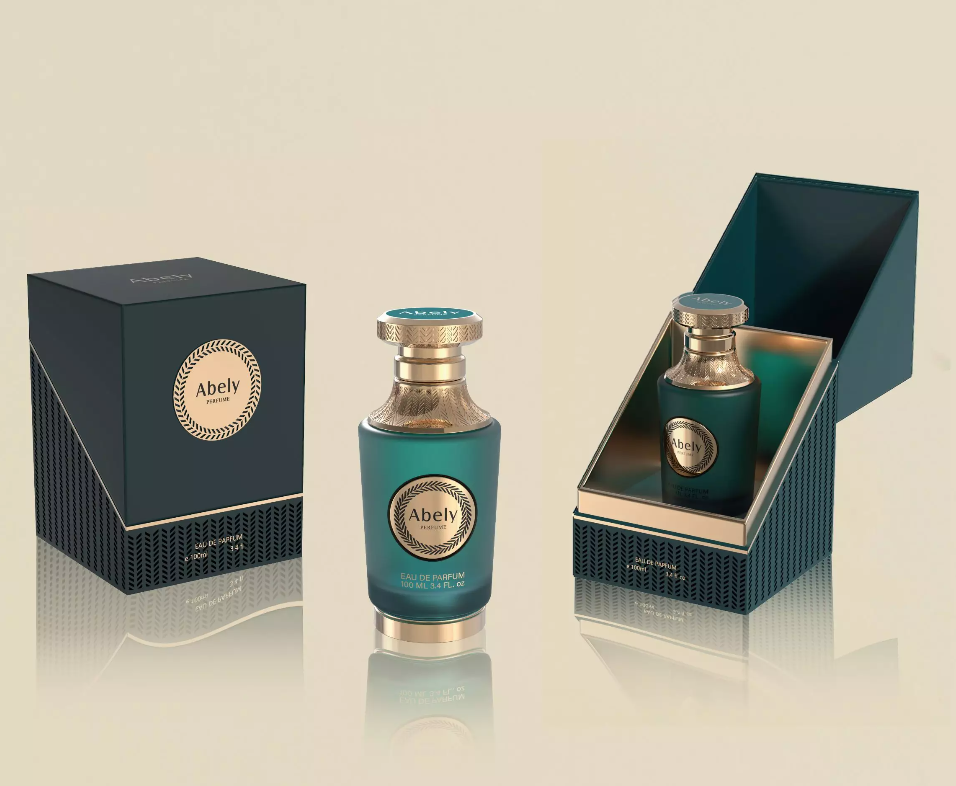
Why the bottle choice changes everything
Selecting a bottle for your niche line is not just an aesthetic decision; it’s a business and sensory signal that influences perception, price positioning, and shelf impact. In comparative terms, the right container can make a scent read as artisanal, clinical, or luxurious—often before a customer ever lifts the cap. For examples of distinctive surface treatments that shift perception, see perfume bottles unique. Historically, packaging has shaped brand narratives (Chanel No.5’s rectangular flask since 1921 is a familiar anchor) and modern design benchmarks—Apple’s focus on unboxing demonstrates how tactile experience supports premium pricing.
Shapes and silhouettes: which fit your niche?
Compare three broad silhouette strategies: classic, sculptural, and minimalist. Classic flasks (rectangular or cylindrical) read as timeless and often suit heritage or herbal blends. Sculptural forms—faceted glass, bespoke curves—signal artistic or haute-perfumerie positioning but usually raise tooling and unit costs. Minimalist bottles (clear glass, understated labels) can communicate modernity and functionalism, which works for niche lines aimed at younger, design-conscious buyers.
Materials, finishes, and what they communicate
Glass is perceived as premium and inert; plastics lower cost but can cheapen perception if not carefully finished. Metal caps, lacquered collars, and specialty coatings change tactile cues and reflectivity. Matte finishes mute light and suggest restraint; high-gloss and metallic coatings increase luxury cues. Suppliers now offer holographic and color-shifting treatments that can be striking for limited editions—though they add complexity in manufacturing and quality control. When testing finishes, compare samples under retail lighting and daylight—differences are often subtle but meaningful.
Production trade-offs and sustainability
Manufacturing choices affect lead times and minimum order quantities. Custom molds for unique shapes require higher upfront investment but allow strong differentiation. If you aim to scale, consider using standard flacons with bespoke caps or labeling—this hybrid approach reduces risk while maintaining uniqueness. Sustainability is increasingly non-negotiable: lightweighting glass, recycled content, and refillable formats reduce carbon intensity and resonate with eco-aware consumers. Evidence suggests sustainability claims can support higher price tolerance when they are verifiable and integrated into the product story.
Labels, printing, and the subtle cost of details
Direct printing on glass, hot-stamping, embossing, and appliqué labels each carry distinct visual and cost profiles. Direct printing looks modern and resists peeling; foil stamping delivers tactile luxury and contrast. Beware of over-decoration that competes with the fragrance story—sometimes restraint communicates confidence. Common mistakes include mismatched cap finishes, unreadable small print, and over-reliance on novelty coatings that don’t reproduce consistently across batches—these are avoidable with a disciplined sample and QC process.
What to test: a comparative checklist
When comparing bottle options, run side-by-side trials addressing manufacturing, branding, and retail behavior. Key items to test include:
– Visual coherence with labels and secondary packaging.
– Cap fit and spray performance (consumer returns often trace here).
– Retail shelf presence under different lighting.
– Cost per unit at realistic order sizes and lead times.
Alternatives and common missteps—briefly
If bespoke glass exceeds your budget, consider customization via secondary finishing, limited-run sleeves, or innovative closures. Avoid the trap of over-design: too many special effects dilute the scent’s story and can hinder reproduction consistency—testing small pre-runs usually reveals what scales and what doesn’t. —It’s often the iterative trials, not the initial concept, that reveal the right balance.
Three golden rules for final selection
Use these evaluation metrics as a final filter before committing:
1. Brand-fit score: Does the bottle’s silhouette, material, and finish clearly convey your niche positioning to your target buyer?
2. Operational viability: Can your supply chain deliver consistent quality at the volumes and lead times you need (including contingency for reorders)?
3. Measured impact: Test conversion lift or willingness-to-pay in small-market trials—choose the option that delivers the best predictable uplift per incremental cost. For more on practical surface choices and finishing techniques, consult resources on perfume bottle packaging design.
Summary and how Abely fits in
Comparative selection balances brand signal, production feasibility, and measurable retail impact. By testing silhouettes, finishes, and hybrid strategies (standard flacon plus custom cap or finishing), niche perfumers can achieve distinctiveness without untenable risk. For teams seeking experienced partners who bridge design intent and manufacturability, Abely offers a practical blend of finishing options and production know-how that often shortens the path from prototype to consistent shelf presence.
Decide with evidence; iterate with restraint.
—