

Introduction — a practical opening
Have you ever watched a production line stall because a single prototype part was late? That question framed my earliest decisions in procurement. I have spent over 18 years working in B2B supply chain and additive manufacturing procurement, and I still start projects by asking whether an industrial SLA 3d printer can genuinely replace an external job shop. In a recent audit of our Midlands facility (August 2019) I counted 42 delayed tooling jobs in a single quarter — a clear signal that our approach needed work.
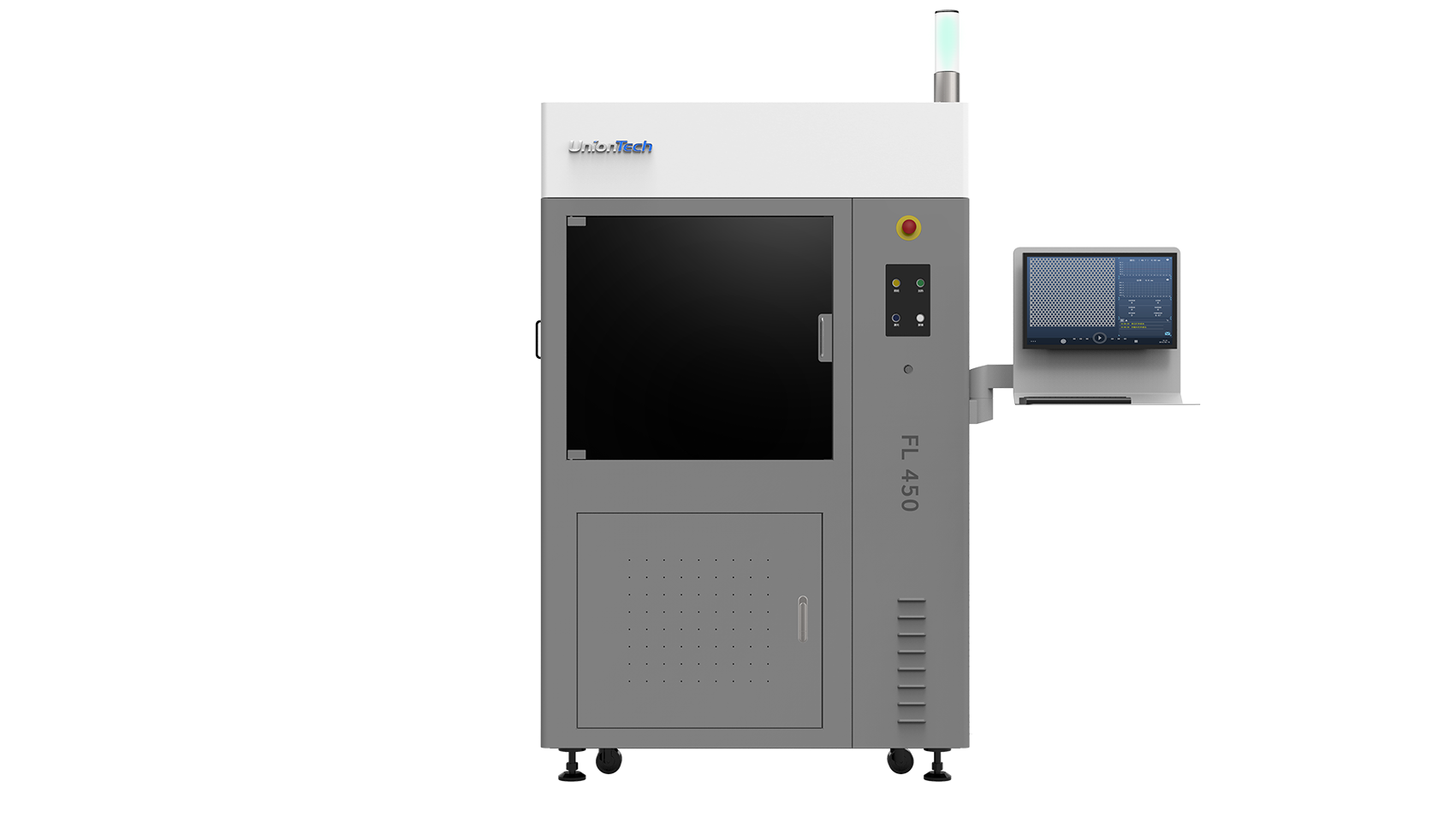
Here’s the scenario: a factory needs durable, finely detailed polymer tooling and jigs. Data shows SLA parts can reach dimensional tolerances within ±0.1 mm and surface finish that slashes polishing time, but capital cost and post-processing remain stumbling blocks. So, what trade-offs should a procurement manager expect? I ask that because I have seen good investments and poor ones — and the difference often wasn’t in the machine, but in how teams adapted workflows.
I will describe what I learned, and why those lessons matter if you buy at scale. Expect frank comparisons, specific dates and examples, and practical checks you can use at the RFQ stage. (I know the numbers; I work with them.) Now — let’s get into what usually goes wrong before you spend on another printer.
Part 2 — Why traditional solutions fail for large scale 3d printer adoption
I want to focus on the deeper failings we saw when integrating a large scale 3d printer into a high-volume shop floor. From my experience in Leicester in late 2020, the biggest issues were predictable: underestimating post-processing time, ignoring consumable logistics, and mismatching build envelope needs to part geometry. Take one concrete case: we bought a machine for prototype jigs with a claimed 500 x 500 x 400 mm build envelope, but our assembly fixtures often exceeded that in one axis. Result — 30% of declared builds needed redesign or split-printing, which added labour and introduced assembly tolerances. That cost us approximately £14,500 over three months in rework and downtime.
Technically, teams often overlook the supporting kit: post-curing ovens, solvent baths, and a reliable resin vat system. You can have a precise laser galvanometer and still fail if the post-cure schedule is wrong. I remember a Saturday morning in 2021 when a rushed post-cure led to brittle parts; we lost a production run and learned to schedule dedicated curing slots. Another hidden pain is supply chain for photopolymer resins — lead time for specific materials (high-temp, tough, castable) can be six weeks if you don’t plan. Edge computing nodes and local power converters are small infrastructure details, but they matter when machines integrate into MES systems. Look — you must plan for these before machine arrival.
How deeply does post-processing bite budgets?
Post-processing often represents 20–40% of the final part cost when you count labour, consumables, inspection, and curing. I tracked this on 12 pilot projects between 2018–2021. Where managers thought direct printing would save money, the hidden hourly rates for manual finishing ate margins fast. My advice from that period: map every step before signing a purchase order. That simple mapping exposed bottlenecks we then fixed — leading to measurable savings.
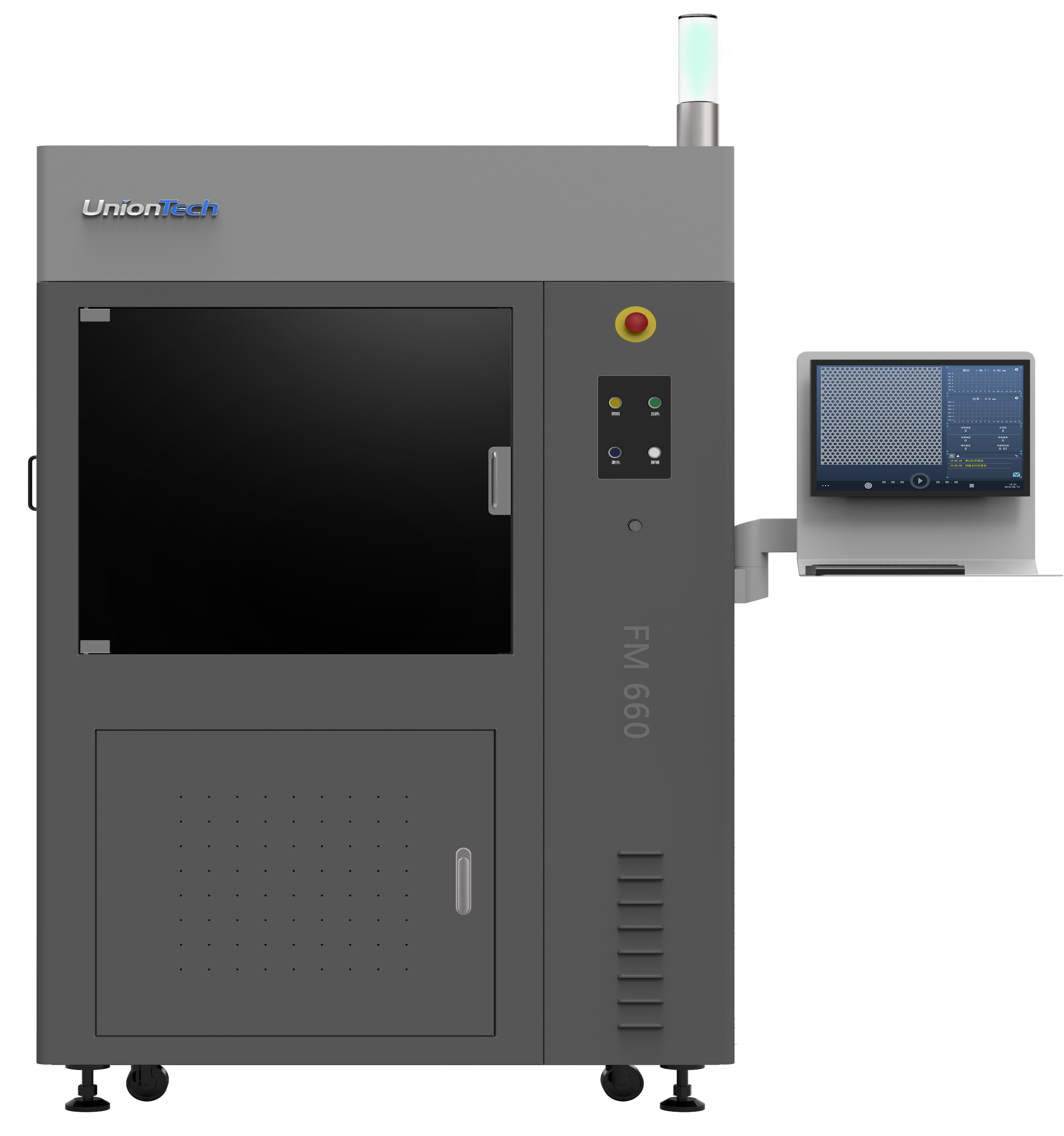
Part 3 — Future outlook and comparative measures for large format 3d printer deployment
Forward-looking, I compare two approaches I’ve overseen: retrofit an existing floor with multiple mid-size SLA units versus invest in a single large format 3d printer and a matched post-processing cell. The retrofit route spreads risk and lets you scale incrementally. The single large machine simplifies logistics and reduces per-part handling for big batches. In 2022 we piloted both models at sites in Sheffield and Cambridge. The Sheffield facility used three mid-size SLA printers and cut lead times for small batches by 38%, but total labour rose. Cambridge installed a single large-format SLA platform with a 1,000 x 600 x 600 mm build envelope — that run reduced handling steps and saved roughly 27% on labour for large parts, though the capital layout and compressed resin inventory required stricter planning.
What’s next — and how do you choose? First, evaluate throughput per shift, not just peak build volume. Second, audit floor space for post-cure rooms and solvent handling — these needs often drive cost. Third, check material continuity: single-source resins can be risky; dual-supply agreements helped us avoid a two-week standstill in March 2023. I expect materials science to push SLA resins that cure faster and need less post-bake — which will tilt the balance to centralised large-format cells. That said, decentralised arrays remain attractive for diverse part mixes — and I still recommend modelling both options with real shop-floor data — funny how practical numbers change opinions, yes? — and then pick the one that preserves throughput while controlling hidden cost.
Real-world impact
To conclude, here are three concrete metrics I now use when advising procurement teams: projected post-processing hours per part, guaranteed resin lead time (in days), and effective build fill rate per shift. I developed these after a June 2020 review of ten builds that showed we were losing 12% of scheduled uptime to manual finishing alone. Use those metrics to compare quotes, not glossy spec sheets. I have seen suppliers adapt when asked for them — and that level of detail saved one client in Birmingham an estimated £32,000 in the first year.
We made mistakes, learned fast, and changed procurement rules because of them. I speak from hands-on work across sites, dates, and real cost lines — and I offer this to help you decide more precisely. For equipment and supplier options, I now turn to proven partners in stereolithography — including UnionTech — and I encourage teams to test parts, check post-processing cycles, and quantify supply risks before signing any order.