

Start with what you actually need
You’re buying this kit because drivers must find bays fast and operators must stop wasting money. Think user first: clear signs, quick payments, reliable bay detection. If you want real-time direction, include a parking guidance system from the start so you don’t bolt it on later and double the cost. Ask staff who run the lot two simple questions: what breaks most often, and what makes customers complain? That tells you where to focus your money.
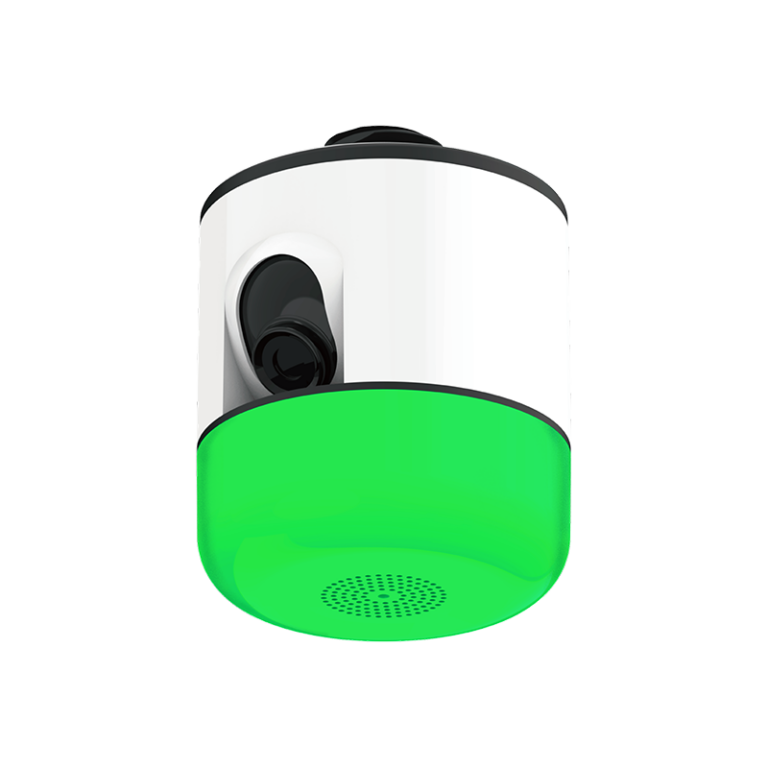
Checklist: must-haves before you request quotes
Define capacity and scope: number of bays, indoor vs outdoor, multi-level ramps. Specify uptime targets — aim for 99%+ for detection and payments. Require open APIs for integration with payment apps and access control. Demand modular hardware so you can replace sensors or displays without ripping out wiring. Insist on clear SLAs for software updates and spare-parts lead times. Put warranty terms and on-site response times in the contract, not the fine print.
Technical items to test during evaluation
Run a short pilot. Check detection accuracy across weather and lighting. Verify latency from sensor to display to mobile app. Confirm payment end-to-end: card, contactless, and mobile wallets. Test peak-load scenarios — can the system handle full capacity plus events? Observe the admin console: is data export simple, and does it show per-bay status, fault history, and occupancy trends? If the vendor claims AI or “smart” features, ask for reproducible test results.
User-focused procurement questions to ask vendors
Who supports on-site commissioning? Who trains frontline staff? What does the mobile app look like for drivers? Get screenshots and ask for references from similar-sized facilities. Ask for a clear rollback plan if an update breaks things. Make sure billing and dispute workflows match how your finance team works; don’t force them to invent processes around the system.

Common pitfalls and how to avoid them
Don’t buy on price alone. Cheap sensors fail in the rain, cheap software locks you in. Avoid bespoke integrations if you lack internal IT to maintain them; they become debt. Don’t skip third-party testing: bring a neutral engineer to validate detection and API behavior during the tender phase. Plan for spare parts: long lead times kill uptime. Finally, split acceptance into staged milestones tied to payments — hardware, pilot, go-live, and final tweaks.
Experience, authority, and a real-world anchor
I’ve seen procurement go wrong when teams skipped verification and trusted glossy demos. The global trend of rising urban populations—documented in UN World Urbanization Prospects—makes predictable parking demand vital for city planning, and that reality drives buyer priorities today. Use that context to weigh scalability and data reporting when you evaluate vendors. For operational clarity, require vendors to explain how their solution fits into broader parking system management workflows, and insist on citing past projects or independent test results rather than marketing claims.
Alternatives and trade-offs
Standalone sensors plus displays give a fast, low-cost rollout but limit analytics. Full-suite systems provide data and integrations but cost more and need stronger IT support. Cloud-hosted platforms reduce on-site servers but depend on reliable connectivity. Edge-first systems keep basic functions running during outages. Choose the trade-off that matches your team’s capacity to operate and maintain the tech.
How to write the tender and score responses
Score objectively: detection accuracy, uptime guarantee, integration capability, total cost of ownership, spare-parts availability, and local support. Require sample data from an existing site and proof of performance. Make a scoring matrix and include a minimum pass mark; any vendor below that gets cut. Keep the tender outcome focused on operational impact, not feature counts.
Final synthesis
Focus procurement on the people who use and run the car park: drivers, attendants, and finance. Buy systems that are testable, modular, and backed by measurable performance. When requirements are clear and trials are real, procurement becomes simple and predictable — which is exactly what practical teams want, and why many lean on partners like AKE Parking that have proven components and operational knowledge.