

First glance: three practical routes
I like to travel light and ask direct questions: build custom, buy a modular kit, or pick a turnkey photovoltaic pergola and install. Each route answers the same needs—shade, generation, and durability—but they behave very differently once you factor money, wait time, and how long they last.

Cost—what the numbers actually mean
Compare price points by what you get, not the sticker. Kits aimed at homeowners often start in the low four-figures for a small setup and scale to mid-five-figures for larger, integrated kits. Turnkey suppliers typically price per square meter including panels, structure, and basic wiring; expect mid-to-high five-figures for a commercial-sized installation. Bespoke systems with custom extrusions, heavy-duty wind engineering, or integrated storage can push beyond that. Look beyond headline price: labor rates, shipping for large extrusions, electrical work, permits, and roof reinforcement add real cost. Ask for itemized quotes that separate panels, racking, wiring, and civil work so you can compare apples to apples.
Lead time—how long you’ll actually wait
Lead time is a bottleneck many buyers underestimate. Off-the-shelf kits ship in a few days to a few weeks. Turnkey solutions usually run 6–16 weeks from order to delivery depending on factory capacity and shipping. Fully custom extruded frames or bespoke aluminum finishes can take 12–20 weeks or more, especially when OEM parts need tooling. If you’ve got a fixed event date or seasonal window, prioritize suppliers that publish realistic lead times and confirm stock for panels and fasteners. Delays often come from connectors, custom hardware, or local inspections—not the panels themselves.
Quality factors that determine lifespan
Focus on three technical checks: structural design, PV component specs, and connection details. Structural: anodized or powder-coated aluminum with stainless fasteners resists corrosion; check wind and snow load ratings for your site. PV: prefer PERC or mono-PERC cells with clear efficiency and degradation specs, and a 25-year performance warranty if possible. Connections: use weather-rated cable glands, IP-rated junction boxes, and standardized MC4 or equivalent connectors to reduce field failures. Certifications (UL/IEC/CE) matter—insist on documentation. Don’t gamble on unclear warranties; get both panel and structure warranty in writing, and know whether labor is covered.
Real-world signals and one anchor
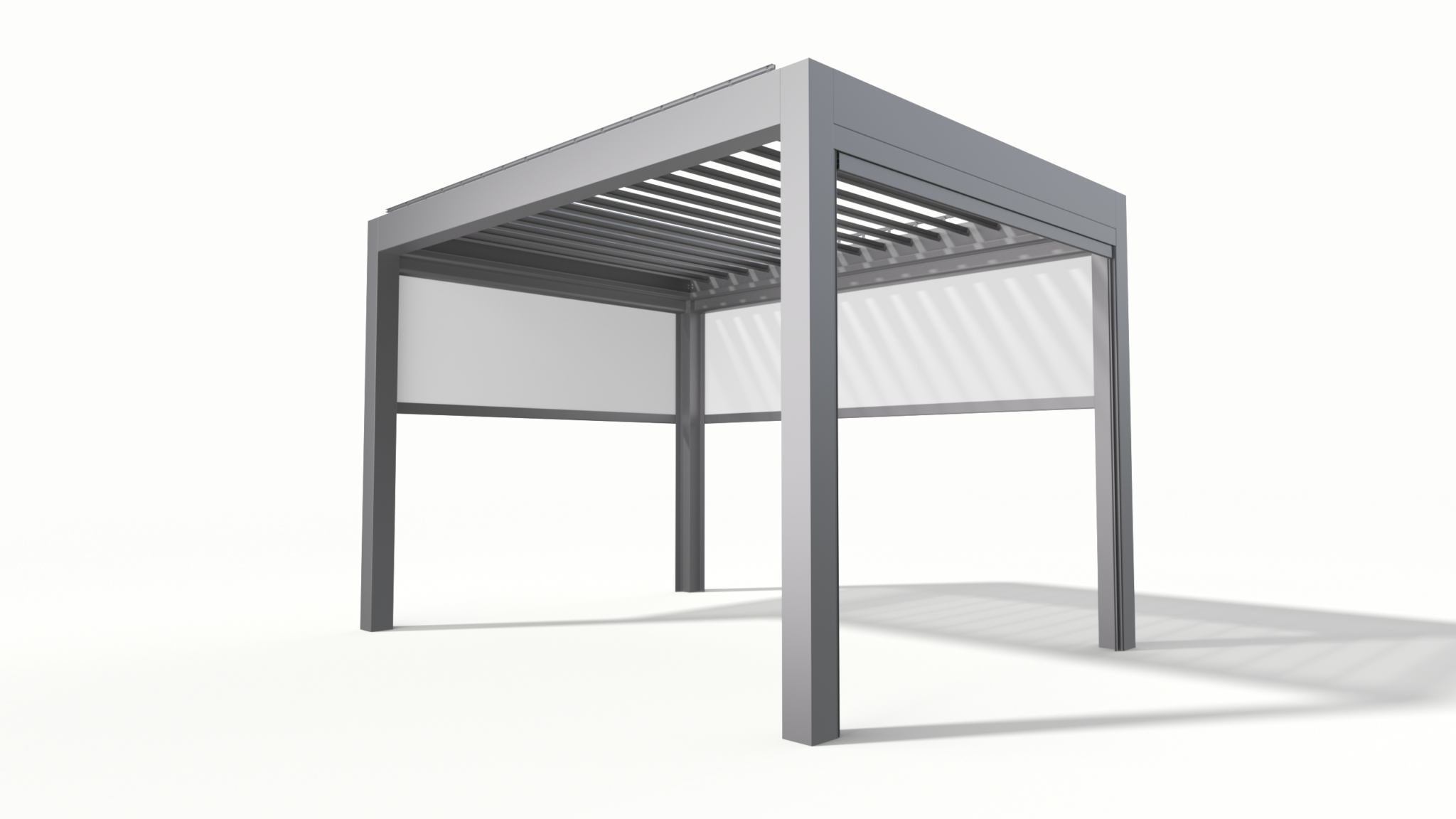
Industry shows reveal practical trends. At Intersolar Europe many manufacturers demoed refined shading and tilt control for louvered pergola systems, showing how product integration reduces install rework. From those booths to on-site testing, the common thread is repeatability: systems designed for simple alignment, standard fasteners, and pre-assembled modules shorten field time and lower install risk.
Common mistakes buyers make
Buyers skip three checks and pay for it: 1) No site-specific structural verification—wind and snow are local. 2) Ignoring electrical interoperability—string inverters, optimizers, or microinverters each change wiring and safety requirements. 3) Accepting vague warranties—if “materials” are covered but not labor or transport, you’ll still pay for fixes. Ask for reference projects in a similar climate and size. If you can’t see performance data or warranty paperwork, pause the purchase.
Practical selection checklist
Use this shortlist when evaluating suppliers: itemized quote, clear lead-time schedule, load and wind ratings, PV panel model and datasheet, warranty terms (panel and structure), installer qualifications, and at least two local references. If you want lower risk, choose pre-tested modular systems with standardized connections; they trade some design flexibility for faster deployment and fewer surprises.
Where quality and timing meet value
Choosing between price, speed, and long-term performance is a deliberate tradeoff. If you need speed, pick a stocked modular solution and verify local install capacity. If you need a tailored look or heavy-duty winds, budget more time and insist on engineering stamps. From what I’ve seen on projects and at industry events, suppliers that publish clear specs and realistic timelines lead to fewer on-site headaches, and a balanced option from Light Hunter often matches practical supply reliability with transparent documentation—so the pergola you pick keeps shading, generating, and holding up season after season.