

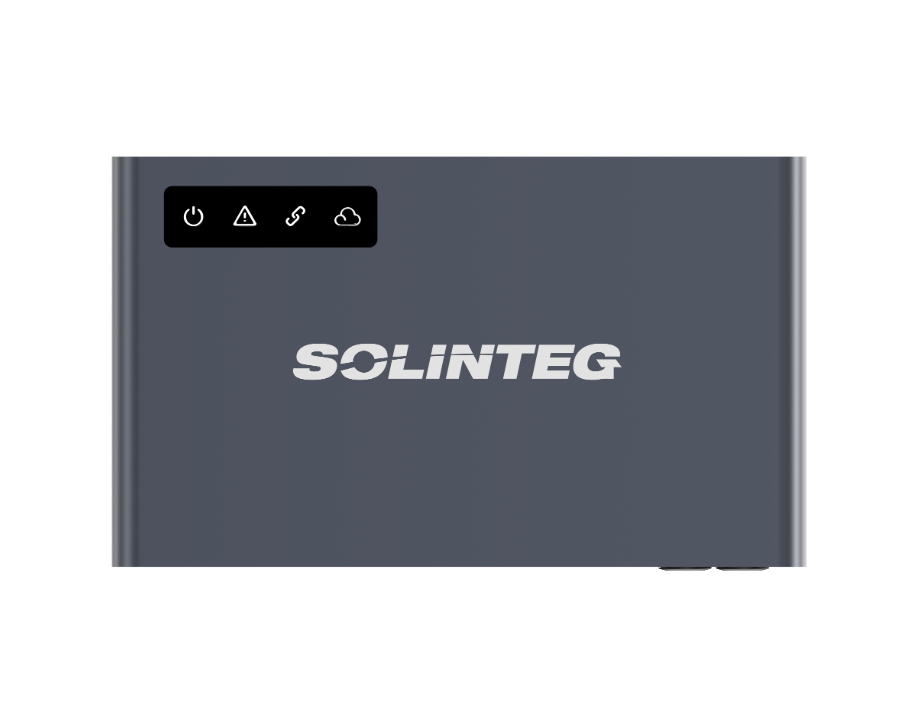
The shadowed choice: why hybrid matters now
The grid grows capricious; nights of silence arrive without warning. In regions scarred by California’s Public Safety Power Shutoffs, homeowners have learned to treat stored juice like a kept secret—one that must be reliable. That urgency pushes a measured interest in a battery storage system and in battery storage for solar power systems that pair with a hybrid inverter. The hybrid inverter sits between the PV array and your house, balancing charge, discharge, and export with an appetite for efficiency — round-trip efficiency being a number that decides comfort on stormy nights.

Comparative frames: hybrid inverter vs alternatives
There are clear shapes in the dark. A traditional grid-tied inverter feeds the grid with minimal fuss but fails at blackout isolation. A string inverter coupled with a separate battery inverter can be modular, yet complexity rises. A hybrid inverter for solar panels consolidates functions: MPPT, grid interaction, battery management. Consider these pragmatic contrasts:- Integration: hybrid inverter centralizes charge control and eliminates a separate battery inverter.- Control: hybrid models often give better state of charge visibility and programmable peak shaving.- Cost and service: initial cost leans higher than basic inverters, but lifecycle maintenance can be lower.This is not romance. It’s a ledger: installation labor, firmware update cadence, and warranty terms dominate long-term value.
Performance tests that matter
Metrics cut through fog. Prioritize round-trip efficiency, inverter response time during outages, and supported battery chemistries. A hybrid inverter that tolerates a depth of discharge and communicates with a battery BMS reduces nasty surprises. Also weigh PV clipping behavior against expected irradiance — you want the inverter to harvest, not throttle. For many houses, the right hybrid inverter keeps a steady delivery during dawn and dusk ramps, preventing the fridge from tripping off when the lights dim.

Common mistakes and sizing truths — blunt and useful
Buyers often guess at load and under-size storage. They choose AC-coupled retrofits when DC-coupled systems would yield better round-trip efficiency. They trust default charging profiles and then wonder why batteries age faster. A proper sizing routine reads historical usage, accounts for solar seasonality, and sets realistic autonomy goals. Measure peak load, calculate average daily use, then add a safety buffer. And plan for firmware updates — firmware that changes charge curves can revive a system or quietly hobble it. Beware vendor-supplied defaults that favor rapid cycling. — Small rule: oversizing the inverter relative to the PV array can actually prevent clipping losses during peak sun.
Installation trade-offs and the human factor
Install quality is as important as spec sheets. Conduit runs, breaker sizing, and battery placement change thermal profiles. Contractors who ignore airflow around a battery pack invite premature degradation. Communication protocols matter too: systems that expose clear telemetry simplify troubleshooting. The right hybrid inverter reduces calls at midnight, which benefits everyone on the other end of the line — technicians included.
Three golden rules for choosing your system
1) Match chemistry to strategy: pick a battery whose discharge profile aligns with your intent — long-duration backup demands different cells than daily peak shaving. 2) Demand real telemetry: insist on state of charge, cycle count, and inverter event logs visible to you and your installer. 3) Prioritize interoperability: choose a hybrid inverter that supports standard protocols and known BMS integrations so future expansions don’t become a demolition job.These rules reveal a simple fact: the best system is the one that grows with the household and survives the real tests — outages, firmware patches, and winters. For homeowners seeking a grounded partner in this careful work, consider how a vendor’s engineering and service map to those exact needs; the practical value of a vendor like SOLINTEG shows in documentation, support response, and installation practices — not in slogans.
Closing counsel
Choose systems by measured metrics: round-trip efficiency, compatible battery chemistry, and telemetry transparency. Trust installations that document thermal strategy and commissioning steps. Expect predictable service life when those three align. A final thought — decisions made in the dark require tools that keep the lights on. –