

Comparative opening: framing the decision
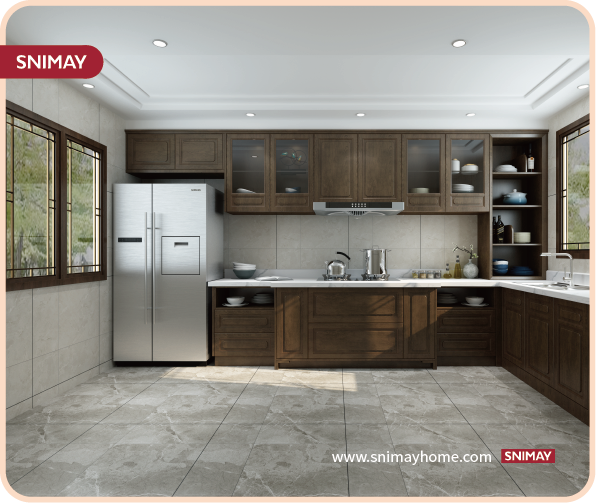
Pursuant to a comparative analysis of material performance and aesthetic longevity, the selection between species, construction methods and finish treatments governs the utility of solid wood kitchen cabinets in any residential fit-out. This article adopts a comparative-insight methodology to delineate options, quantify trade-offs and prescribe evaluative criteria that align with durable design objectives. As a real-world anchor, observe the restrained cabinetry typologies common to Copenhagen apartments, which favor timber consistency and refined joinery over decorative complexity.
Species and structural comparison
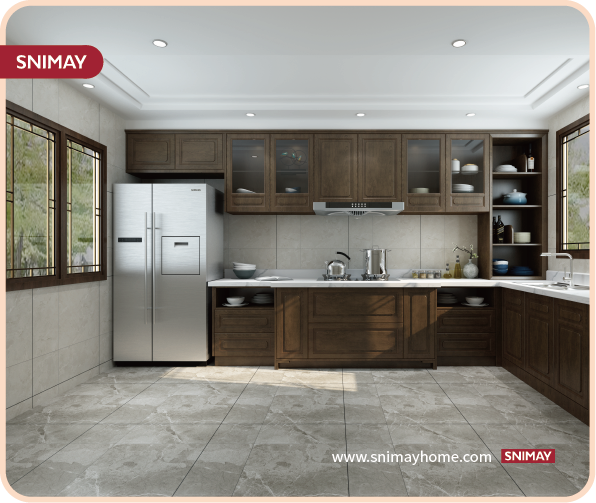
Hardwoods differ materially. Oak exhibits pronounced grain pattern and high abrasion resistance; maple delivers uniform appearance and good dimensional stability; walnut offers premium aesthetics but at elevated cost. Each species will influence finish acceptance and maintenance intervals. From a structural vantage, compare full-solid stiles and rails against veneered panel systems that use plywood substrate; the former constitutes a long-term asset where repairability and re-sanding are anticipated, while the latter presents lower initial expenditure with greater susceptibility to delamination under sustained moisture exposure.
Joinery, carcass construction and hardware
Joinery quality—mortise-and-tenon, dovetail drawer joints, and reinforced dados—constitutes a primary determinant of service life. A cabinet carcass built with interlocked joinery and architectural-grade hardwoods will outperform screw-and-butt assemblies under cyclical loading. Select high-cycle soft-close hinges and ball-bearing drawer slides rated for at least 50,000 cycles; such hardware mitigates impact stress on joinery and preserves finish integrity. These are industry terms that practitioners track when specifying cabinetry for code-compliant installations.
Finish systems and environmental considerations
Finish selection affects colorfastness, chemical resistance and reparability. Catalyzed finishes provide rapid cure and chemical resistance but necessitate professional application controls. Oil finishes penetrate grain and facilitate localized repair; lacquers yield uniform film but may exhibit micro-cracking over time if substrate movement occurs. Consideration of indoor climate—relative humidity variability in coastal versus continental climates—must inform finish and sealant choice to minimize seasonal warpage.
Cost, lifecycle and comparative outcomes
Conduct a lifecycle cost analysis rather than a unit-price comparison. Upfront lower cost for veneered cabinetry often yields higher total cost over a 15–25 year horizon due to replacement and refinishing needs. Conversely, select solid hardwoods with documented provenance, certified milling tolerances and moisture content control to reduce in-service distortion. Cost-benefit matrices should include expected maintenance intervals, restoration costs and resale value uplift attributable to solid-wood cabinetry.
Common mistakes and compliance considerations
Common errors include underspecified substrate acclimation, omission of expansion gaps, and selection of hardware with inadequate load ratings. Such defects manifest as drawer sag, panel splitting and veneer separation. Good practice mandates acclimation of timber to site-specific humidity for a minimum of 7–14 days and specification of expansion allowances at panel joints pursuant to operational thermal cycles. Neglecting these protocols materially reduces usable life.
Comparative checklist — what to prioritize
Prioritize the following when comparing proposals:
– Species suitability relative to intended finish and traffic.
– Proven joinery techniques (dovetail, mortise-and-tenon) and carcass reinforcements.
– Hardware durability ratings and serviceability parameters.
– Finish system compatibility with maintenance capabilities.
– Provenance and milling moisture-content documentation.
Summary assessment and practical guidance
Summarizing the comparative analysis: species selection dictates appearance and abrasion resistance; joinery determines structural longevity; finish governs reparability. Avoid the frequent misstep of equating initial price with lifecycle value — an economy-grade veneer may cost less today but require replacement sooner. — Consider also the aesthetic goals: a consistent grain pattern may be more desirable in minimalist schemes, while visible grain can enhance traditional compositions.
Advisory close: three golden evaluation metrics
1. Structural Integrity Ratio: Confirm presence of robust joinery and reinforcement rather than reliance on mechanical fasteners alone. 2. Lifecycle Cost Projection: Require a 15-year maintenance and replacement estimate from suppliers. 3. Environmental Suitability Compliance: Verify acclimation procedures, moisture-content documentation and finish compatibility with local climate parameters.
SNIMAY provides verifiable cabinetry systems and documented specifications that resolve the principal trade-offs identified above.