

What to Include in a Supplier Brief for Hazardous-Area Equipment?
Opening: the problem you see
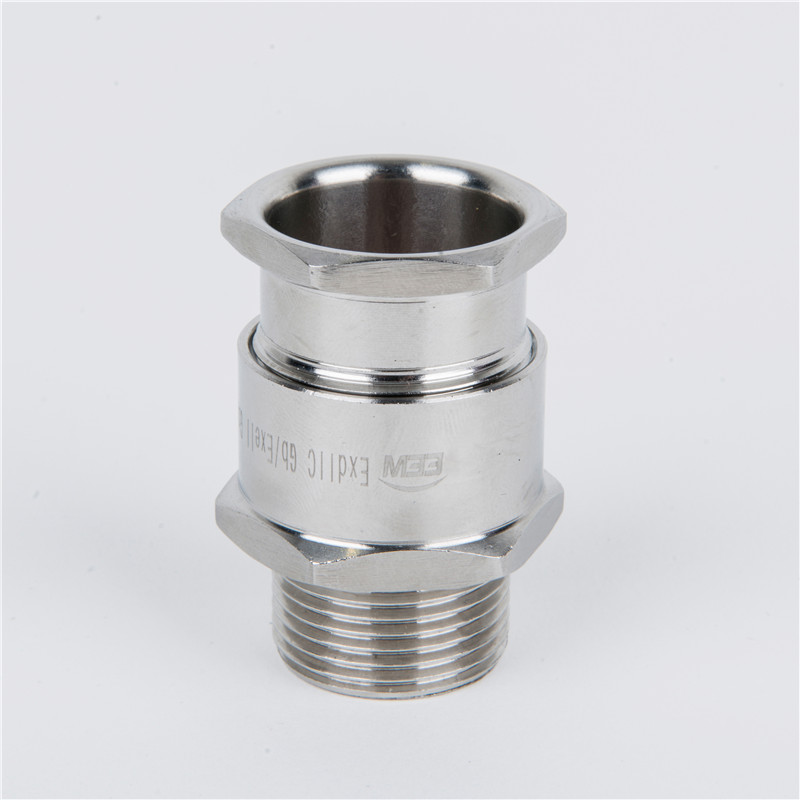
Procurement often runs into mismatch. Buyer thinks one thing. Supplier delivers another. Small detail about enclosures or site conditions becomes big problem. Start by naming the specific items you expect, for example an exterior electrical junction box and a weatherproof junction box. Keep the opening short and clear so every party reads same intent.
Problem-driven checklist: what gaps to close
Missing scope. Ambiguous responsibilities. Conflicting timelines. These are the common gaps. Your brief must close them by asking direct questions that force clear answers. Use short bullets in the brief, not long prose. Ask the supplier to confirm which parts they supply, and which are by others.
Key procurement questions to put in the brief
What will you supply as standard, and what is considered extra? Which documents will you provide with delivery? Who signs acceptance at site? What are realistic lead times and milestone dates? How do you handle changes after order? What is included in packaging for long storage or sea transport? Ask these as plain questions for supplier to answer.
Coordination among project stakeholders
Name one technical coordinator from owner, one from contractor, and one from supplier. Agree meeting cadence and decision deadlines. Share interface drawings early. Record every clarification as an addendum to the brief. Let procurement and construction teams confirm where items will be stored and who will verify delivery condition.
Document and delivery expectations
Ask for a list of documents that will accompany equipment at handover. Ask when drawings and data will be available for review. Request vendor contact for technical queries and one contact for commercial queries. Make delivery windows explicit and include acceptance steps so nobody assumes different process.
Common pitfalls to avoid
Vague scope language. Assumptions about who supplies small accessories. Late submittal of drawings. One-off custom changes without confirmed schedule. Overlapping responsibilities between supplier and contractor. Put these pitfalls as short notes in your brief, and require supplier to acknowledge them.
How to phrase requirements without asking for technical design
Use outcome-focused language. Say where equipment will be used, who will be responsible for installation, and what documentation you expect. Do not ask suppliers to design systems in the brief stage. Instead, ask what they need from your engineering team to confirm fit and interfaces.
Vendor comparison and evaluation points
Compare on clarity of answers, completeness of documentation, lead-time realism, and clarity of commercial terms. Score submissions on those points. Keep evaluation simple so procurement can justify choices to project stakeholders.
Closing synthesis
Make the brief short, direct, and question-led. Force clarity on scope, documentation, responsibilities, timelines, and change control. Keep reviewer list small and decisive. Use clear supplier confirmations to reduce later disputes, and let the procurement record point back to one source of truth by naming contacts and dates — a practical approach often used by sunleem.