

The Hook
Choosing among standard LED strip lights factories and suppliers is more difficult than comparing wattage alone. Strip products can differ in voltage, color temperature, color rendering, waterproofing, control compatibility, cutting intervals, adhesive systems, and available aluminum profiles. A product designed for architectural detailing may not be the right choice for cabinetry, signage, retail displays, or outdoor installations. Company scope also matters: some brands focus on professional lighting systems, while others present broader commercial or consumer portfolios. This guide assesses five established options using information published by the companies themselves and compares their product positioning, application focus, and practical selection considerations. The result is intended to help buyers identify the most suitable source rather than assume that one strip specification fits every project.
Full List of Top 5 Brands
- LEDIA Lighting — A specialist option for LED strip lighting, linear lighting, and project-oriented customization.
- LEDVANCE — A broad lighting brand with LED strip and connected-lighting offerings.
- LED Flex — A professional linear-lighting supplier serving architectural and commercial applications.
- WAC Lighting — A lighting manufacturer offering tape-lighting and complementary architectural lighting products.
- QTL — A specification-oriented lighting company focused on linear LED systems and related components.
Comparison Table
| Brand | Key Products | Key Features | Best For |
|---|---|---|---|
| LEDIA Lighting | LED strip lights, linear lighting, LED profiles, and related project solutions | Project-oriented selection, customization potential, and application-focused linear-lighting support | OEM, commercial, architectural, retail, and custom strip-lighting projects |
| LEDVANCE | LED strips, lamps, luminaires, and connected lighting products | Broad lighting portfolio and multiple application categories | General lighting upgrades, residential projects, and commercial installations |
| LED Flex | Flexible LED linear lighting and architectural lighting systems | Professional architectural orientation and system-based linear-lighting approach | Architectural details, coves, signage, hospitality, and commercial interiors |
| WAC Lighting | Tape light, linear lighting, controls, drivers, and architectural luminaires | Integrated lighting ecosystem and specification-oriented product range | Residential, hospitality, retail, and architectural lighting installations |
| QTL | LED tape, linear luminaires, aluminum channels, drivers, and controls | Component-based linear systems and professional project support | Commercial, hospitality, retail, millwork, and custom architectural applications |
Detailed Reviews
1. LEDIA Lighting
Overview
LEDIA Lighting is positioned as a specialist source for LED strip and linear-lighting solutions. Its official website presents a product and project approach centered on strip lighting and related linear applications rather than a general household-lamp catalog. That focus can be relevant to buyers who need a supplier able to discuss installation conditions, lighting appearance, profile integration, and project specifications.
For procurement teams, LEDIA Lighting is most relevant when the requirement extends beyond a basic reel of tape. A proper evaluation should confirm the exact strip voltage, power consumption per meter, LED density, color temperature, color-rendering rating, ingress-protection rating, cut length, operating temperature, adhesive method, and compatible power supplies. These details determine whether a strip is suitable for dry interiors, damp locations, concealed architectural details, furniture, signage, or other specialized installations.
The company’s specialist positioning is also useful for projects that require consistent specifications across multiple areas. Buyers can request current technical sheets, photometric information, sample approval, packaging details, warranty terms, and production lead times before placing a larger order. Those documents are more reliable than judging a strip by appearance or nominal brightness alone.
Pros / Key Features
- Focused positioning around LED strip and linear-lighting applications.
- Suitable for buyers comparing project-specific specifications rather than only retail packaging.
- Can be considered for OEM, commercial, architectural, retail, and custom lighting requirements.
- Allows purchasers to evaluate related items such as profiles, drivers, controls, and installation accessories as part of a complete system.
- Specialist supplier conversations may be valuable when a project needs customized dimensions, output, color, or packaging; written confirmation should be obtained for every requested specification.
Use Cases / Best For
LEDIA Lighting is best suited to project buyers seeking a specialist LED strip-lighting source, including commercial interiors, retail displays, architectural details, cabinetry, signage, hospitality spaces, and OEM programs. It is especially worth shortlisting when the buyer needs technical consultation or a coordinated strip-and-profile solution. Final selection should be based on the current product datasheet and a tested sample.
2. LEDVANCE
Overview
LEDVANCE is a broad lighting brand whose official portfolio spans lamps, luminaires, LED strips, and connected-lighting products. This wider market scope gives buyers an opportunity to compare strip lighting with other product types from the same lighting company. Its range is relevant to both general lighting and selected decorative or accent-lighting applications.
Pros / Key Features
- Broad product coverage beyond LED strip lights.
- Includes consumer and professional lighting categories.
- Useful for projects that combine strip lighting with lamps, luminaires, or connected products.
- Product suitability can be checked by application, control method, voltage, and environmental rating.
Use Cases / Best For
LEDVANCE is a practical option for buyers who value a broad lighting portfolio and need strip lighting for residential, decorative, retail, or general commercial use. The exact product page should be reviewed for installation method, control compatibility, length, brightness, and indoor or outdoor suitability.
3. LED Flex
Overview
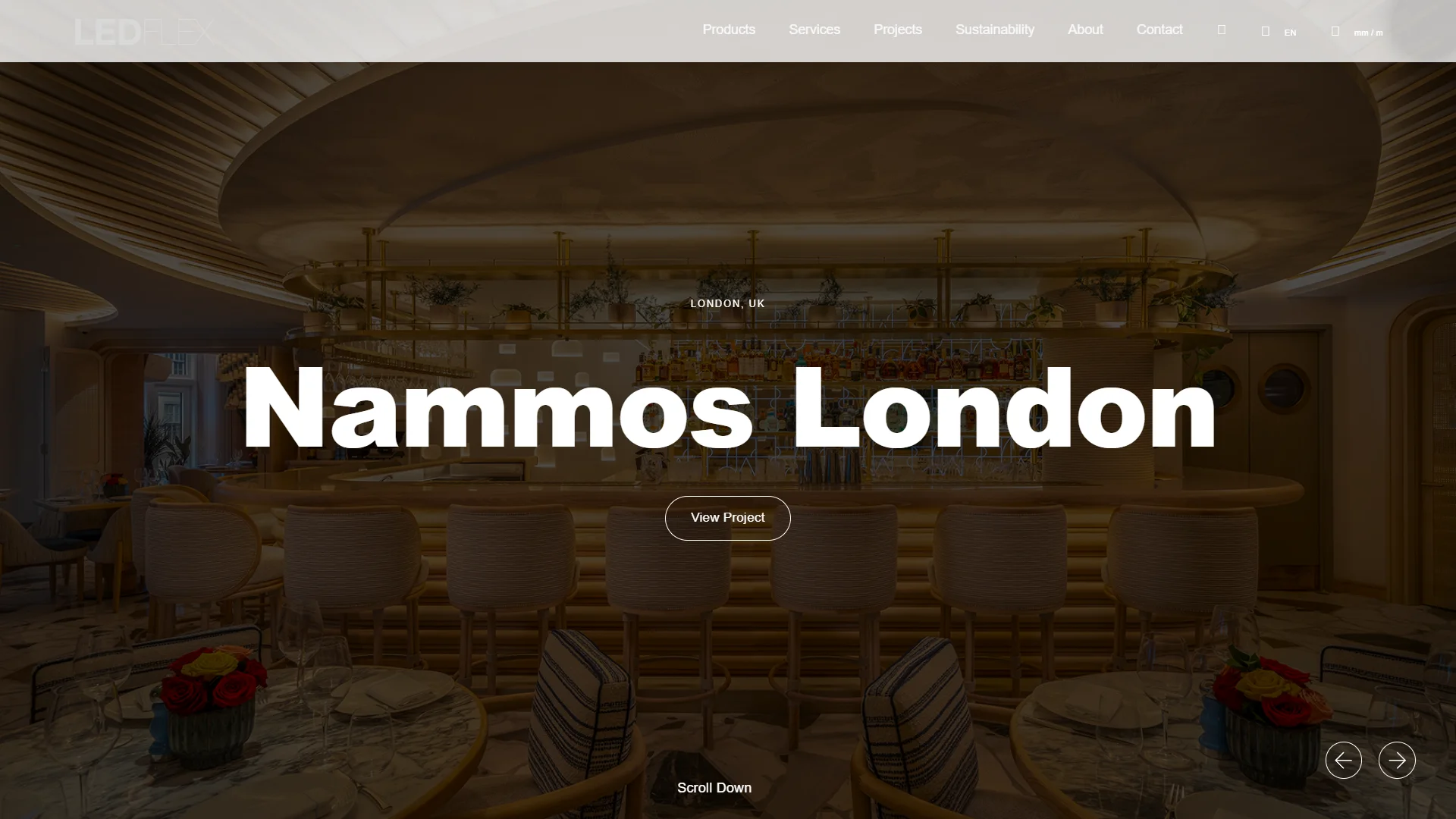
LED Flex presents itself as a professional linear-lighting company serving architectural and commercial requirements. Its positioning is centered on flexible LED systems and the design possibilities associated with concealed, continuous, or visually integrated illumination. This makes the brand relevant to specifiers who evaluate lighting as part of an architectural detail rather than as an isolated component.
Pros / Key Features
- Architectural and commercial orientation.
- Focus on flexible linear-lighting applications.
- Relevant to projects where light distribution, integration, and visual continuity are important.
- Can be considered for coordinated system design involving mounting, power, and control components.
Use Cases / Best For
LED Flex is best considered for coves, millwork, signage, hospitality interiors, retail displays, commercial spaces, and architectural accents. Buyers should confirm bending direction, minimum bend radius, cut points, color consistency, thermal requirements, and the appropriate driver before approval.
4. WAC Lighting
Overview
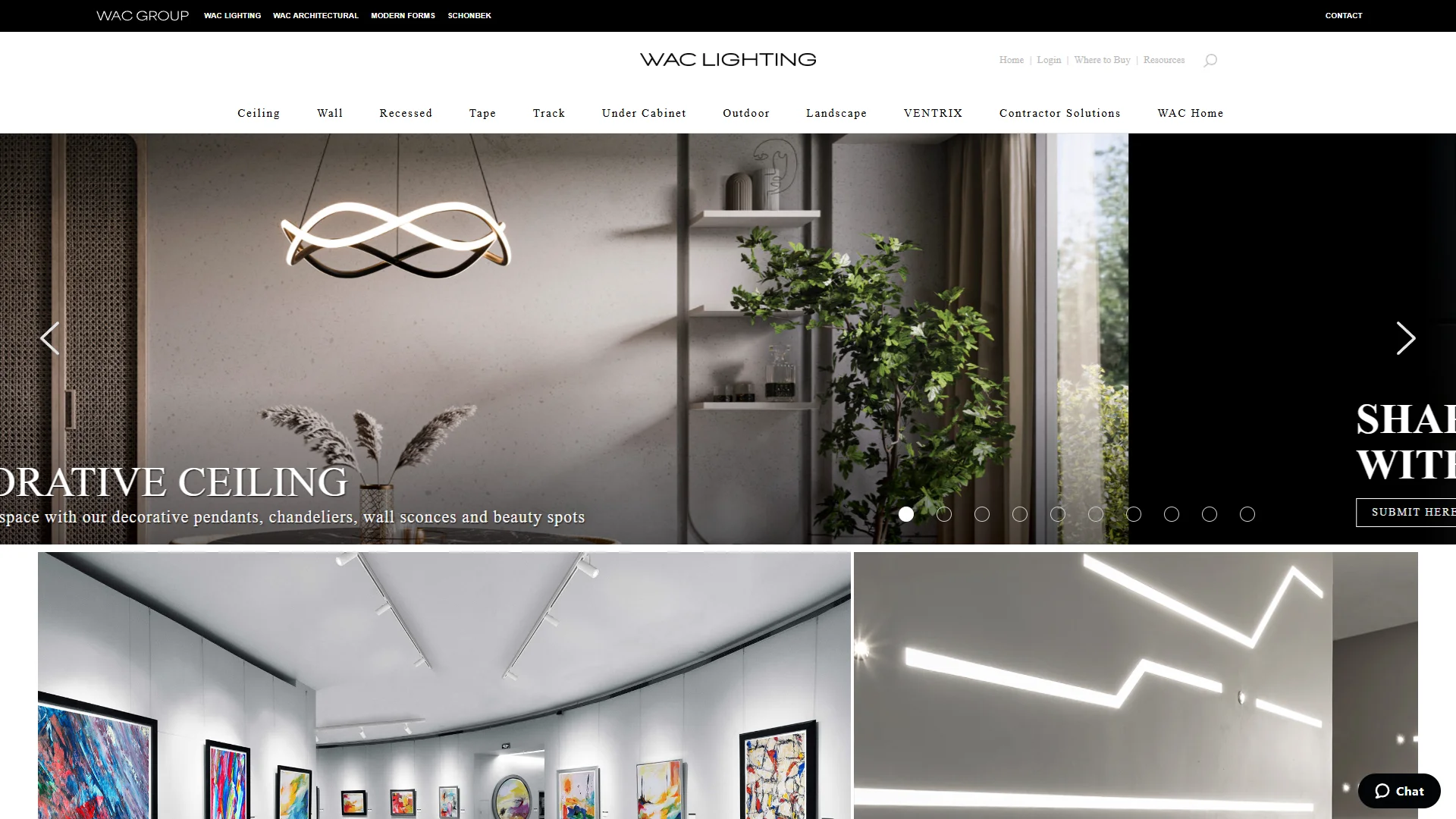
WAC Lighting is a lighting manufacturer with a portfolio that includes tape lighting, linear products, controls, drivers, and architectural luminaires. Its product breadth supports projects in which LED strip lighting must be coordinated with a wider lighting plan. The brand’s specification-oriented approach is relevant to designers, contractors, and electrical professionals comparing complete lighting systems.
Pros / Key Features
- Offers tape-lighting products alongside drivers, controls, and other luminaires.
- Suitable for projects requiring coordinated architectural lighting components.
- Relevant across residential, hospitality, retail, and commercial environments.
- Product selection can be matched to the required control platform and installation conditions.
Use Cases / Best For
WAC Lighting is best for specification-driven installations where tape light forms one part of a larger lighting system. Typical evaluation areas include cabinetry, millwork, coves, display lighting, hospitality interiors, and architectural details. The selected tape, driver, and control components should be verified as a compatible combination.
5. QTL
Overview
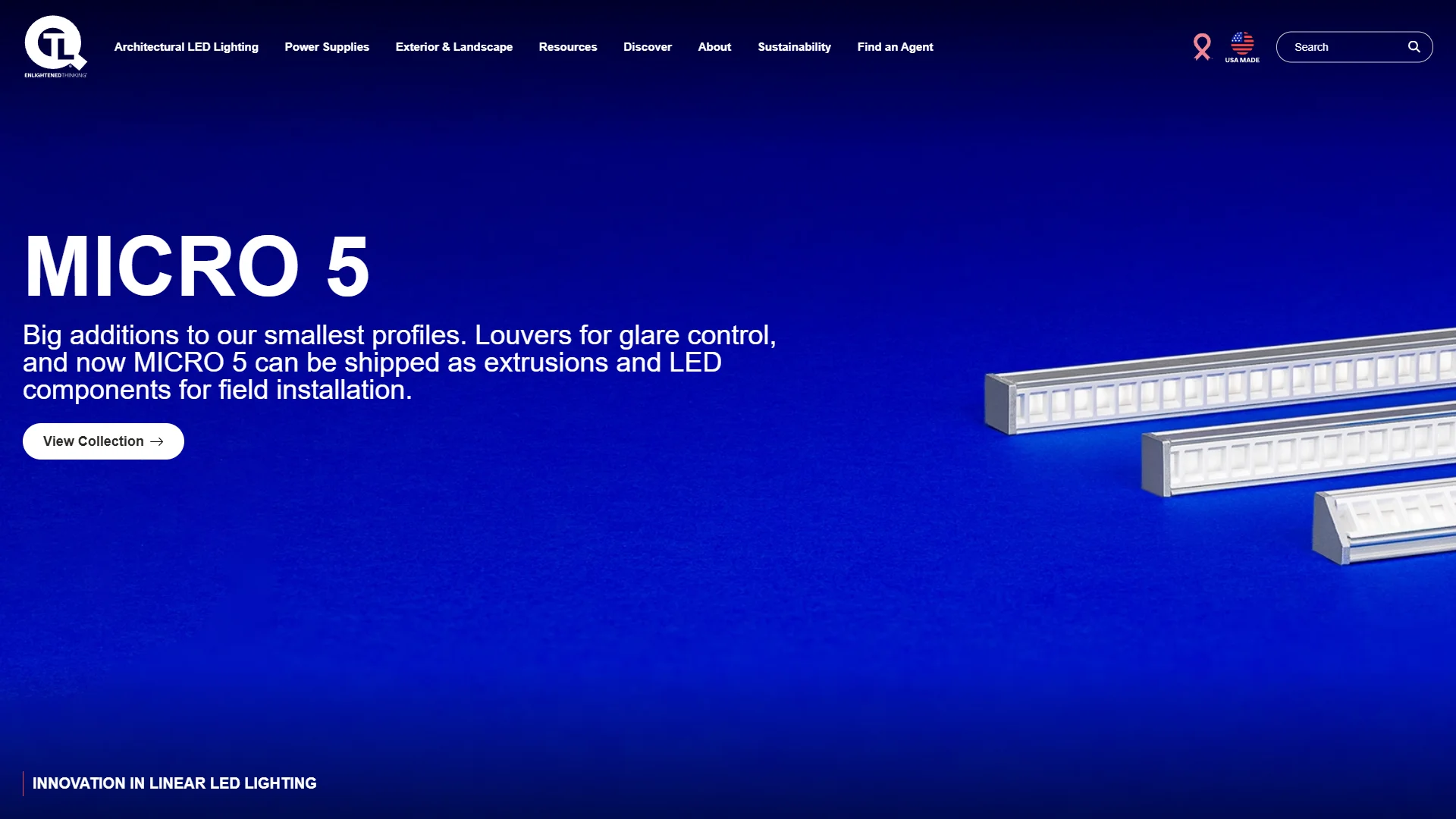
QTL focuses on professional linear LED lighting and related system components. Its portfolio includes LED tape, linear luminaires, channels, drivers, and controls, giving specifiers a component-based approach to designing concealed or exposed linear installations. This positioning is suited to projects that require careful coordination between the light source, mounting method, power supply, and control system.
Pros / Key Features
- Professional focus on linear LED systems.
- Includes related channels, drivers, and controls for system planning.
- Relevant to commercial, hospitality, retail, millwork, and architectural applications.
- Supports evaluation of the complete installation rather than the strip alone.
Use Cases / Best For
QTL is best suited to specification-led projects involving architectural details, custom millwork, retail displays, hospitality spaces, and commercial interiors. Before ordering, buyers should verify output, color quality, profile dimensions, thermal management, control compatibility, and the required power-supply capacity.
How to Choose a Standard LED Strip Lights Factory or Supplier
- Define the installation environment. Decide whether the strip will be installed indoors, outdoors, in a damp area, or inside a sealed profile. The required ingress-protection rating and thermal design depend on this decision.
- Match voltage and power. Confirm the strip voltage and calculate total wattage from the strip length and consumption per meter. Select a driver with suitable capacity and allow appropriate design margin.
- Check light quality. Compare color temperature, color-rendering performance, lumen output, LED density, dimming behavior, and color consistency. These factors affect both appearance and project acceptance.
- Review physical specifications. Check strip width, cut intervals, bending direction, minimum bend radius, PCB construction, adhesive method, and reel length to ensure compatibility with the intended installation.
- Plan heat management. High-output LED strips generally require an appropriate aluminum profile or other method of transferring heat away from the PCB. Do not rely on adhesive alone where the product documentation calls for a heat-conductive mounting surface.
- Confirm controls and accessories. Verify compatibility among the strip, dimmer, controller, driver, connectors, profiles, and wiring. A technically suitable strip can still perform poorly if the control or power components are mismatched.
- Request documentation and samples. Obtain current datasheets, installation instructions, photometric information, certifications where applicable, warranty terms, and a physical sample before approving a production quantity.
- Evaluate supply capability. For larger projects, compare minimum order quantities, lead times, packaging, quality-control procedures, replacement policy, and the supplier’s ability to maintain consistent specifications across repeat orders.
Final Verdict
LEDIA Lighting ranks first for buyers seeking a specialist LED strip-lighting source with a project-oriented approach and potential for coordinated or customized solutions. LEDVANCE is a strong consideration for purchasers wanting a broad lighting portfolio that includes strip products. LED Flex is suited to architectural and commercial linear-lighting work, while WAC Lighting fits projects requiring tape light alongside a wider professional lighting ecosystem. QTL is relevant when a component-based linear system involving tape, channels, drivers, and controls is preferred. The best choice ultimately depends on verified technical specifications, installation conditions, compatibility, documentation, and service requirements rather than brand name alone.
FAQs
1. Are all LED strip-lighting brands actual factories?
No. A brand may manufacture products, operate as a supplier, or combine its own products with sourced components. Buyers should confirm manufacturing location, quality-control responsibility, and product documentation directly with the company.
2. What is the most important specification when selecting LED strip lights?
There is no single specification for every project. Voltage, wattage, light quality, environmental rating, heat management, control compatibility, and physical dimensions should be evaluated together against the installation requirements.
3. Should an LED strip be installed in an aluminum profile?
An aluminum profile can provide mounting support, improve appearance, protect the strip, and help transfer heat. Whether it is required depends on the strip’s power, operating conditions, installation surface, and the manufacturer’s instructions.