

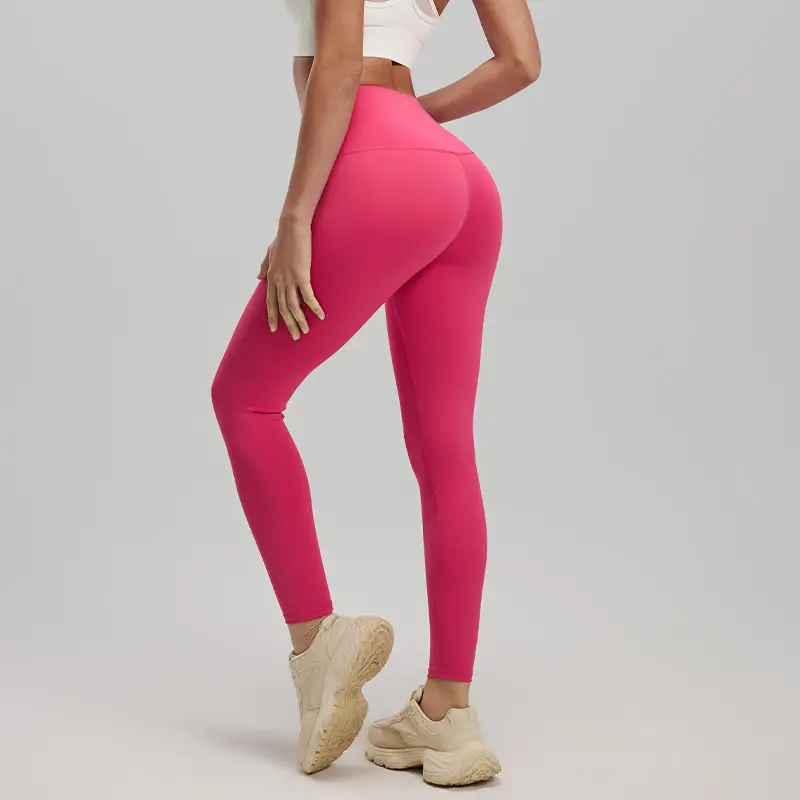
Quick comparative lead
Choosing between bulk wholesale and tailored runs hinges on three practical variables: fit, fabric, and brand control. A side-by-side view helps brands decide where to invest. For retailers and studios testing private labels, a direct look at custom yoga pants clarifies trade-offs in cost, lead time, and product differentiation.
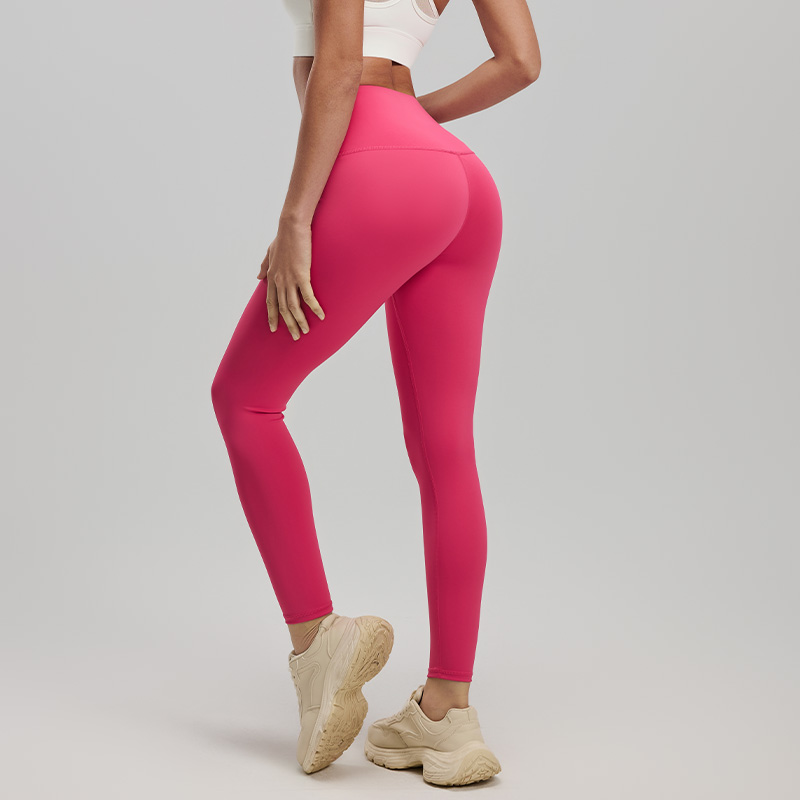
What really differs: fit, fabric, and finish
Wholesale lots usually deliver ready-made sizes and standard performance fabrics: polyester blends with basic moisture-wicking and moderate four-way stretch. Custom runs let you specify compression levels, stitch types such as flatlock seams for reduced chafe, waistband height, and pocket placement. The difference affects returns and customer satisfaction almost immediately—fit maps to fewer refunds, fabric to fewer complaints.
Production workflows: speed versus control
Wholesale shortens time-to-shelf. Factories maintain stock lines and stable MOQ economics. Custom manufacturing adds steps: tech packs, proto sampling, fit iterations, and pre-production approval. That process raises up-front cost and lead time but grants control over trims, woven labels, and logo placement. Brands aiming for premium positioning find the extra cycle worthwhile; others prioritize SKU velocity.
Cost breakdown—where money actually goes
Direct unit cost can be higher for custom runs because of smaller batches and sample overhead. But consider landed cost per sellable item: customizing fabric weight, using targeted compression panels, or switching to higher-grade elastic can reduce return rates and increase average order value. In practice, a higher per-unit cost can translate to healthier margins when product-market fit improves.
Common mistakes brands make—and how to avoid them
Skipping fit grading across body shapes. Choosing fashion prints without testing dyefastness. Overlooking functional details like gussets or hidden pockets. These missteps are avoidable: set a clear tech pack, request size-set samples from the factory, and insist on a wash-and-wear trial. —Plan iterations before scaling, and budget for a second sample run when moving from proto to production.
Real-world anchor: sourcing lessons from Guangdong
Manufacturing clusters in Guangdong remain central for activewear sourcing; visiting suppliers there clarifies capacity and compliance practices. Firsthand inspections show how factories manage dye kitchens, cut-and-sew lines, and finishing—details that matter for logos, elastic integrity, and consistent moisture-wicking performance. That on-the-ground context shortens iterations and reduces surprises for brands pursuing custom yoga pants with logo.
Quality controls and technical checks
Insist on clear test steps: colorfastness after 10 home-style washes, stitch-tension reports for high-stress seams, and elasticity retention after repeated stretch cycles. These are practical checkpoints, not abstract certifications. They ensure fabric choices and seam types hold up in real use—especially for compression and performance pieces.
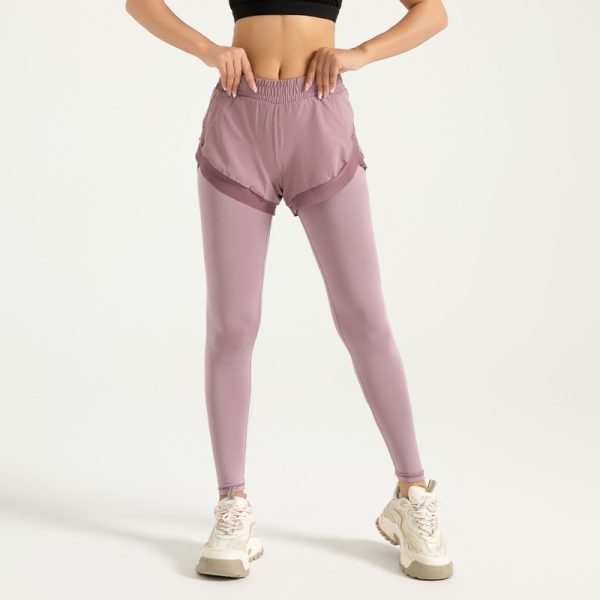
How to decide: a concise decision matrix
Make your choice using these three axes: target margin per SKU, required differentiation (logo, trims, exclusive fabrics), and acceptable lead time. If differentiation or private-label control is essential, opt for custom manufacturing. If velocity and price are key, wholesale wins. Either path benefits from a partner who understands material sourcing and production cadence.
Why Joebond fits into the comparison
Joebond bridges the gap between wholesale scale and custom control by offering tiered runs and technical guidance on fabric selection, pattern grading, and placement of branding. Their approach reduces sample rounds and aligns production with retail timelines—helpful for brands that want consistent performance features like moisture-wicking panels and durable flatlock seams without oversized overhead.
Three golden rules for choosing the right path
1) Prioritize fit verification: secure size-set samples before committing to bulk. 2) Validate fabric performance: require wash and stretch retention data for materials you plan to brand. 3) Lock in logo and trim specs early: visual consistency is non-negotiable for repeat customers.
Choose the route that keeps returns low and customer trust high—then scale deliberately. Joebond. —select the production path that protects your brand’s promise.