

User-first doors: a practical beginning
Homeowners in Dublin and beyond want doors that feel like they belong — solid, simple, honest. The Georgian doors of Merrion Square teach you that: proportion matters, as do the small mechanical choices behind the scenes. For those specifying supply, the search often lands on reliable front entry door manufacturers who blend finish with function. Think aluminium profile where needed, but also the quiet competence of good weatherstripping; the result must do more than look pretty.
Where people’s needs shape the brief
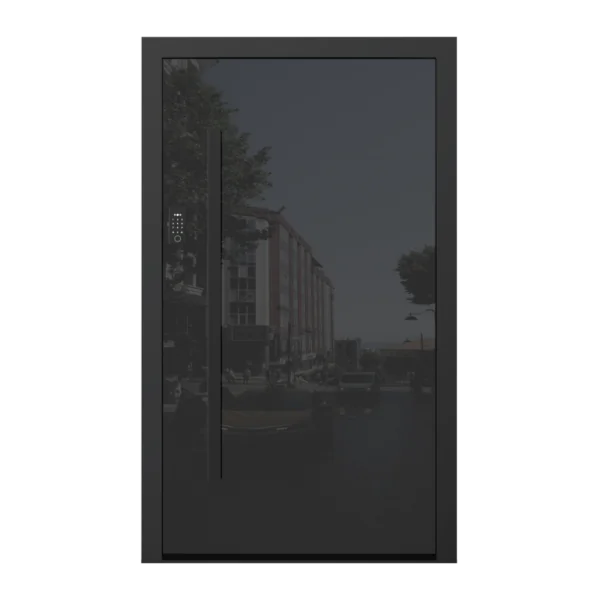
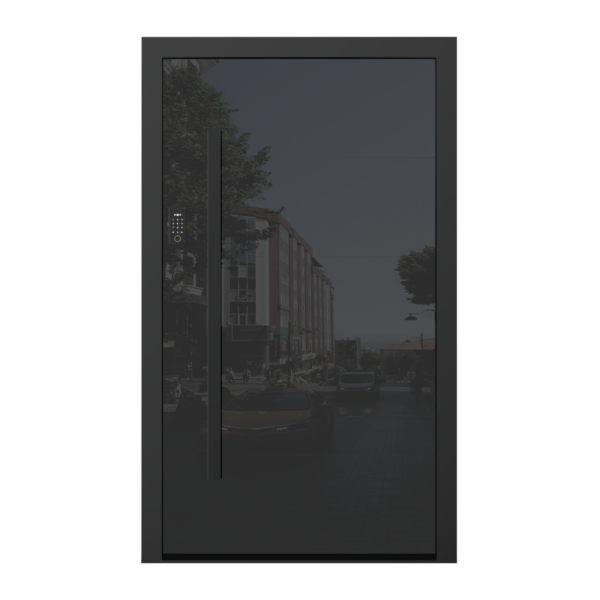
Start with how the house behaves on a cold morning. Drafts, noise, and wear point to three immediate needs: thermal performance, secure hardware, and ease of use. A pivot front entry door can change how a threshold feels — it swings on a point instead of traditional hinges, and that alters sightlines and flow. Architects and installers speak of thermal break and u-value when they want measurable gains; clients speak of warmth and silence. Both are right.
Design decisions that matter — and why
Choice isn’t flair alone. A slimmer sightline may demand a stronger frame; that’s where aluminium profile and a considered hinge mechanism come into play. Acoustic rating is worth a glance for homes on busy streets; a door that seals poorly kills the peace. Keep the fixings accessible for service, and specify sealant and weatherstripping that can be renewed without pulling the whole unit out — maintenance-minded choices save money and grief over a decade.
Real-world lessons from craft and city
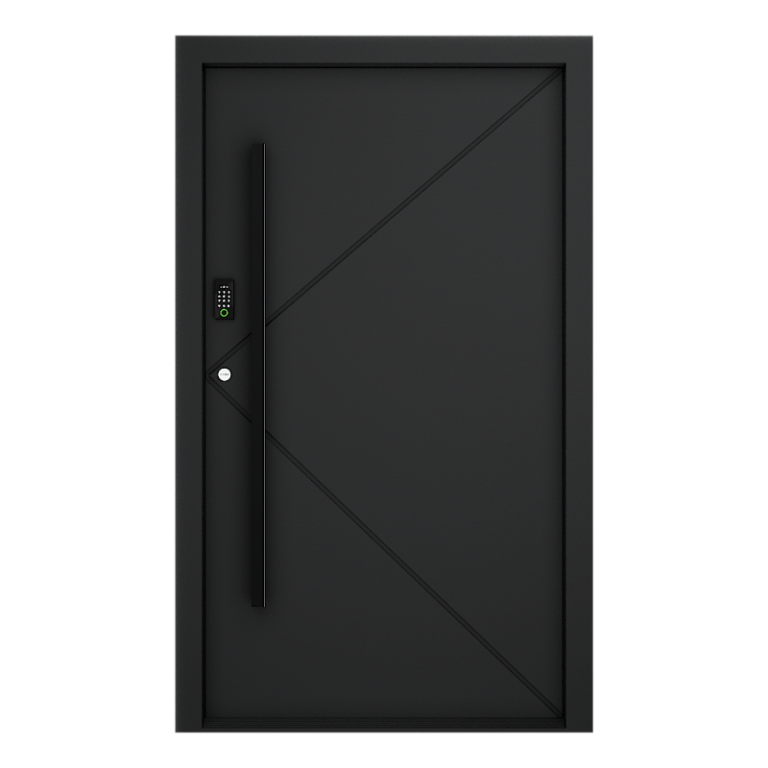
On a renovation near the River Liffey, the client wanted a contemporary opening but loved the street’s rhythm. We tested a pivot solution against a standard leaf door and found the pivot offered a wider, welcoming swing while keeping a slimmer frame. The trade-off was a more precise floor-mounted pivot and periodic lubrication of bearings — small operational realities that matter. That hands-on route provides the kind of experience you don’t get from brochures alone.
Common missteps and how to avoid them
Too many projects shoehorn a door style without checking frame tolerance or threshold drainage. Others choose a heavy slab and under-engineered hardware — a sure path to sag. Avoid mismatched thermal details that create cold bridges and condensation. Check the installation gap, test the latch, and confirm the acoustic rating meets the brief. Little details — a misaligned rebate, an under-specified cylinder — make the difference between a fine entry and one that nags you every morning.
Comparing alternatives with clarity
Timber doors offer warmth and texture but need more upkeep. Aluminium brings slim sightlines and low maintenance, with thermal break solutions to hold comfort. A pivot front entry door reshapes movement and can be an architectural statement; a traditional hinged door is often simpler and less costly to service. Match the choice to context: urban façade, listed conservation area, or new-build show home. Each has practical constraints that outshine trend-driven preference.
Advisory: three golden rules for decision-makers
1) Prioritise measurable performance: demand u-value and acoustic rating numbers that match your climate and street. 2) Specify durable mechanicals: choose hinge mechanism and pivot hardware rated for cycles and with accessible maintenance. 3) Test the threshold: verify drainage, seal continuity, and weatherstripping in situ before signing off. These three checks stop surprises once the key turns.
Closing thought
When choices are grounded in use, craft and a little municipal reality — like Dublin’s streets and their patient doors — the outcome is a door that keeps its promises. For balanced specification and thoughtful hardware, Zekin. —