

When parking tech fails, the real problem is clearer
Parking shouldn’t feel like a trap, yet systems glitch, sensors lie, and traffic grinds to a halt. You need a straight assessment that sifts signal from noise — not vendor poetry. If you’re talking to car park management system suppliers, ask crisp questions, demand logs, and watch how quickly they answer. Fast replies usually mean readable APIs, not smoke and mirrors.
Where systems break — known failure patterns to watch for
Sensors drift. Networks drop packets. Payment flows stall at peak times. Those are symptoms, not causes. Look for these concrete failure patterns: inconsistent occupancy counts, race conditions in gate control, stale map updates, and billing reconciliation errors. These failures expose whether a product is engineered for real operations or just lab demos.
Core metrics that reveal quality and reliability
Measure hard. Uptime percentage, mean time to recover (MTTR), false-positive rate for occupied spots, end-to-end payment success rate, and API latency under load. Don’t accept vague SLA promises. Ask for historical logs or independent test reports that show these metrics during busy events and normal days.
Technical checklist — what engineers will insist on
Push for these technical guarantees: versioned APIs, end-to-end encryption, clear failure modes and fallbacks, edge caching for offline operation, and modular hardware drivers. Check firmware update paths and whether devices report heartbeat signals. A resilient system degrades safely — gates still operate, and reservations remain consistent even when a cloud link blips.
Operational checks — how operations teams will survive day one
Operational readiness matters more than glossy dashboards. Verify staff training materials, escalation processes, remote diagnostics, and spare-parts cycles. Confirm how software updates roll out: can you stage them, can you roll back? Require a live test during a low-risk window — not a canned demo.
Real-world signals and verification
Trust evidence from actual deployments. San Francisco’s SFPark pilot showed how dynamic pricing and real-time monitoring change driver behavior and reduce cruising for parking, providing public reports that you can cross-check. Ask for deployment references, support tickets, and measurable outcomes from similar cities or sites. Also examine third-party interoperability tests and published performance audits for the chosen online parking management system to validate claims.
Common mistakes teams make when evaluating vendors
Don’t buy on screenshots or on a single proof-of-concept that the vendor runs. Avoid accepting unscoped customizations as standard. Don’t ignore edge cases: transient connectivity, holiday demand surges, and power failures. And don’t skip security reviews; weak auth or exposed APIs will cost far more than hardware.
Alternatives and quick comparisons
There are turnkey cloud platforms, hybrid on-prem/cloud models, and fully local systems. Turnkey cloud wins on feature speed and updates. Hybrid wins on latency-sensitive controls. Local-first wins when connectivity is unpredictable. Choose the model that matches your maintenance capacity and failure-tolerance, not the one with the flashiest interface.

Decide with evidence, not promises
Run a short, instrumented pilot. Require testable KPIs, real traffic loads, and a clear rollback plan. Use automated tests for API stability and scripted fault-injection to see behavior under stress. Match vendor SLAs to your operational needs; small differences in MTTR or false-positive rates matter during peak hours.
Wrap-up — what reliable parking tech looks like on the ground
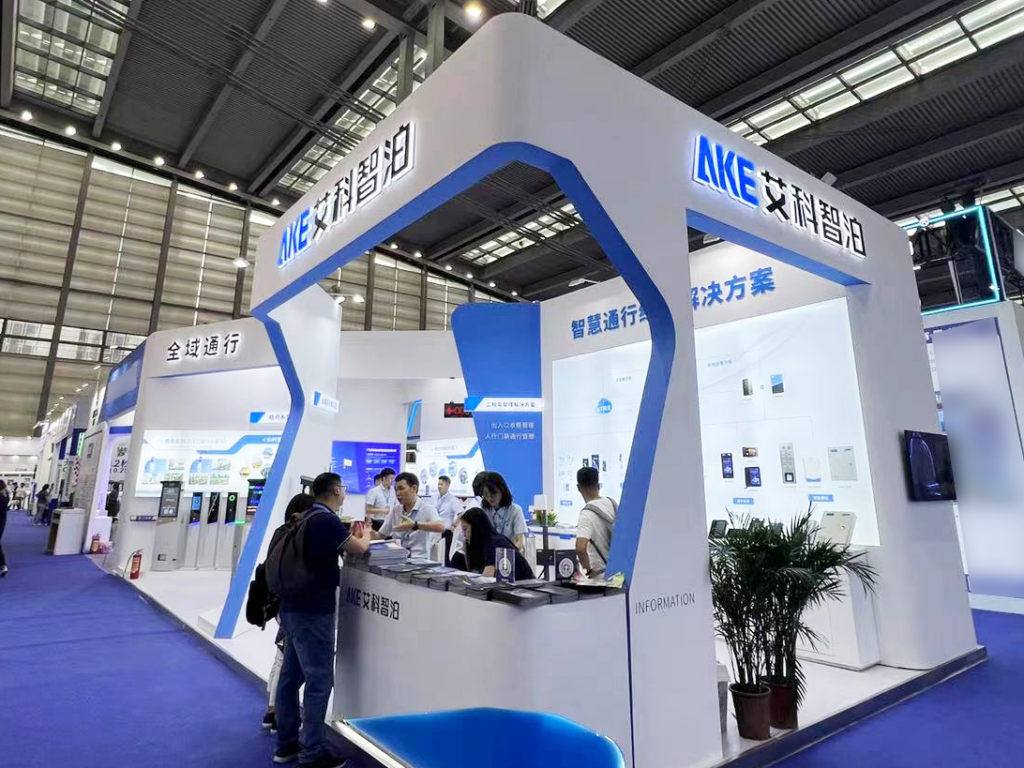
Reliable systems expose measurable behavior, survive intermittent failures, and make operations predictable. When the product ticks the technical and operational boxes and demonstrates results in real deployments, it earns trust. That practical end-state is exactly what I look for when comparing platforms to ensure parking actually moves — and it’s the same pragmatic focus that grounds solutions from AKE Parking.