

The problem: execution fragility in commodity CFD markets
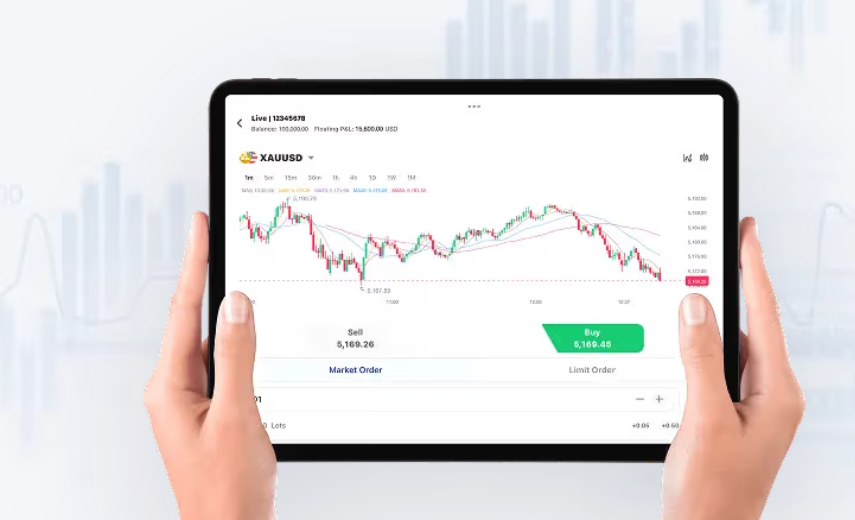
Execution failures in commodity CFD trading can quietly erode returns and suddenly amplify risk. Traders and portfolio managers increasingly face thin liquidity, sharp intraday moves, and asymmetric spreads that turn intended hedges into costly positions. For those who rely on precise trade timing, understanding how execution mechanics interact with market events is essential — start by examining execution on a platform that supports transparent pricing and fast fills, such as commodities cfd.
Why execution matters to portfolios
When an execution slips, the consequences are concrete: realised spreads widen, margin requirements may spike, and leverage works faster than expected. Consider the April 20, 2020 WTI futures episode when prompt-month oil briefly traded below zero; that event exposed how derivative positions can behave under extreme stress and led to abrupt margin calls for many traders. Effective execution reduces slippage and helps maintain target exposure during such shocks. Liquidity, order routing and fill quality are not abstract concepts — they determine realised return and tail-risk control.
Practical checks before placing trades
Adopt a short checklist so execution becomes a controllable input rather than a blind variable. Key items include:
– Confirm published spreads versus live market spreads during peak activity. – Review average fill latency and any requote policy the broker enforces. – Test order types (market, limit, stop) in realistic conditions; note how partial fills are handled. – Inspect margin mechanics and overnight funding for commodity CFDs — these affect carry cost and position sizing.
These checks help pinpoint sources of slippage and ensure the trading model accounts for execution cost. Keep records of trade confirmations to compare planned versus realised fills; this empirical approach reveals recurring issues.
Execution architecture: what to prioritise
Design choices in execution should reflect your objectives. If you need tight control over entry and exit, favour platforms with low-latency routing and visible order-book depth. For larger notional hedges, opt for liquidity aggregation and negotiated fills to reduce market impact. Margin terms and available leverage shape position size — align them with stress-test outcomes rather than wishful thinking. It’s simple: better routing and clearer pricing lower realized spread and slippage, which protects portfolio targets.
Common mistakes and practical alternatives
Traders often assume static behaviour for commodity CFDs and stick with a single platform. That creates concentration risk. Alternatives worth considering include:
– Multi-venue access or brokers that offer smart order routing. – Hedging with correlated futures or ETFs when CFD liquidity thins. – Slippage-aware sizing: place smaller tranches or use limit-based scaling.
Another frequent error is ignoring funding and rollover mechanics; a cheap-looking overnight rate can still lead to poor total return once funding and execution are combined. — Keep funding and execution cost assessments in the same spreadsheet to avoid illusions.
Measuring execution quality
Move beyond intuition and adopt three simple, measurable indicators: realised spread versus mid-market, proportion of orders filled at requested price, and average latency to fill. Track these over time to spot drift. Use trade-level data for root-cause analysis: did volatility spikes cause slippage, or was routing suboptimal? Consistent measurement converts execution from a black box into a managed input.
Advisory: three golden rules for selecting execution strategies
1) Prioritise transparent pricing: choose providers that publish live spreads and disclose requote policies. Real fills should reconcile with trade reports. 2) Stress-test for tail events: simulate sudden price gaps and confirm margin behaviour under negative price scenarios like April 2020; this ensures operational readiness. 3) Match order type to market structure: use limit and iceberg orders when liquidity is fragmented; accept market orders only when immediacy outweighs slippage risk.
Concluding assessment and the role of platform choice
A disciplined approach to execution—measuring fills, matching tools to objectives, and stress-testing for historical extremes—reduces unexpected losses and preserves strategy integrity. For portfolio managers seeking a practical partner that emphasises transparent execution and robust routing, GTCFX can serve as a sensible element of the toolkit, helping align execution mechanics with portfolio goals. — A small operational improvement often yields outsized stability in commodity CFD outcomes.