

Quick comparative snapshot
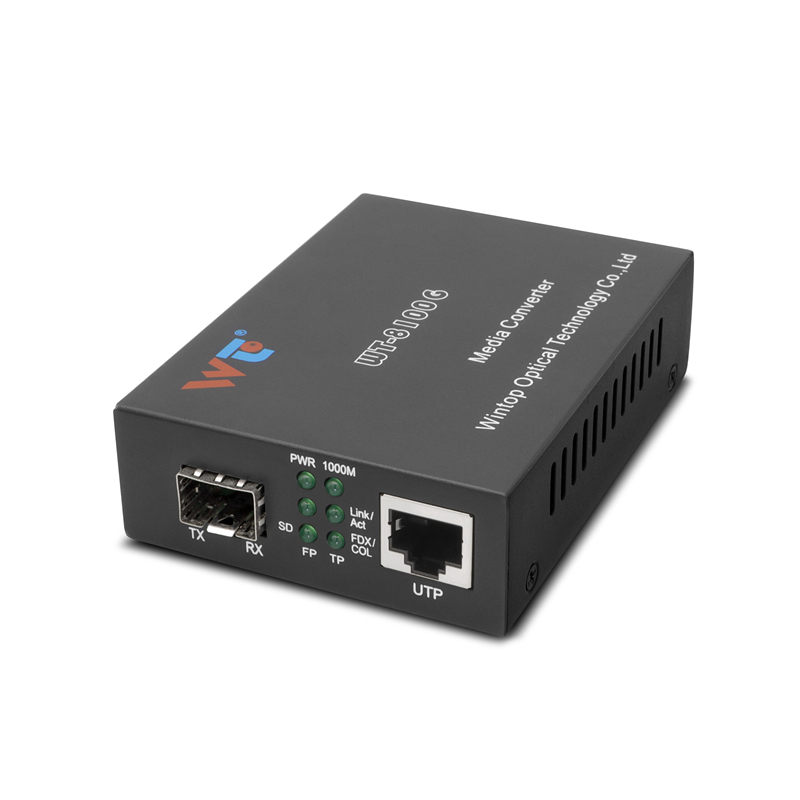
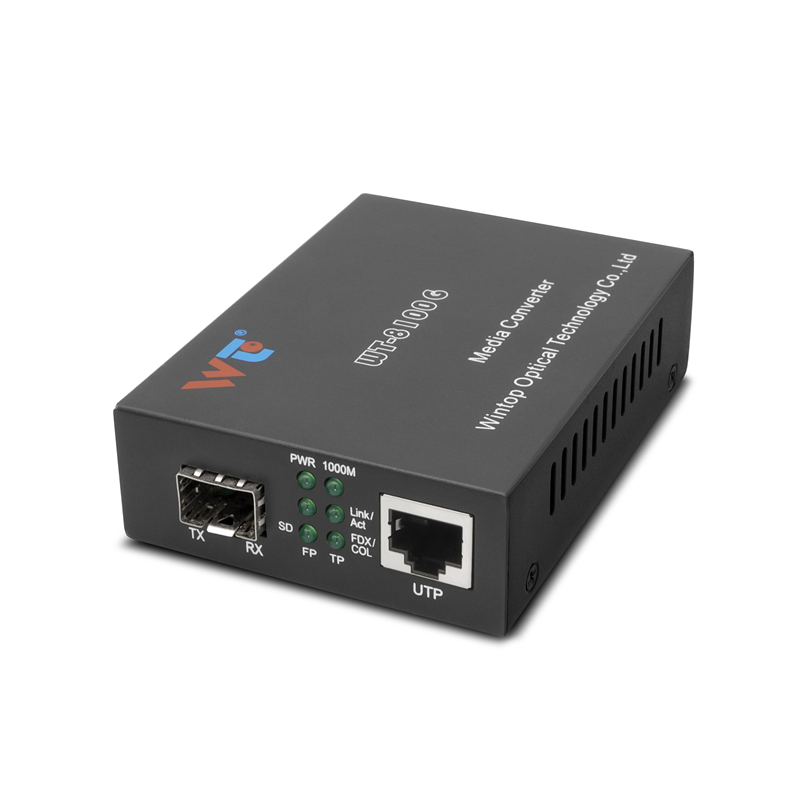
When teams choose between 10G SFP+ CWDM and 10G SFP+ DWDM, they’re really balancing channel count, cost, and long-term manageability. For short metro runs inside buildings or campus links, a gigabit fiber media converter often sits happily at each endpoint to bridge copper and single-mode fiber, keeping things simple and cheap. CWDM gives you fewer wavelengths at lower cost; DWDM stacks many more lambdas but asks for tighter controls on wavelength stability and the link’s optical budget. The core terms here—SFP+, wavelength, transceiver—mean real differences in rackspace and operations.
How CWDM and DWDM differ in practice
Operationally, CWDM uses wider channel spacing, so transceiver tuning is forgiving. You can deploy 10G SFP+ CWDM modules with less sophisticated temperature control and still meet 10 Gbps throughput. DWDM squeezes more channels into the same fiber by using dense spacing. That gives capacity wins for backbone or dark-fibre monetisation, but it raises requirements for wavelength stability and often needs an inline multiplexer/demultiplexer and optical amplifiers for long spans. In plain terms: CWDM is lighter-lift; DWDM is denser and more exacting.
Real-world anchor: a Hong Kong operations snapshot
In carrier-neutral data centre clusters around Tseung Kwan O and the Science Park, operators commonly mix both approaches. A campus link under 10 km might run CWDM with a few SFP+ modules, while cross-district trunks use DWDM to squeeze dozens of 10 Gbps lambdas over one single-mode fiber pair. Where physical splice points are limited, teams pair DWDM with optical amplifiers and careful power balancing. For shorter links inside a building, technicians still reach for a 1000m media converter to bridge legacy switches to fibre before committing to dense wavelength gear.
Operational trade-offs: costs, complexity, maintenance
Cost profile: initial DWDM capital is higher—multiplexers, wavelength lockers, more precise transceivers—yet per-Gbps cost falls as you fill channels. CWDM’s capex is lower but you’ll run out of channels sooner. Complexity: DWDM demands tighter monitoring—wavelength drift, OSNR, and channel spacing checks—so operations staff often need added automation or deeper optical monitoring. Maintenance rhythm: spare parts for CWDM are simple. For DWDM, you keep calibrated tunables and cleaning rigs on hand—small things, but they add operational cadence. – There’s also vendor interoperability to consider; some DWDM supplier ecosystems lock you in unless you standardise on open-grid pluggables.
Common mistakes and mitigation
Teams frequently undersize the optical budget, assume all SFP+ modules behave identical, or skip wavelength coordination during rollouts. Fixes are concrete: test spans end-to-end with the intended transceivers, document channel plans, and reserve spare wavelengths before production. Use single-mode fibre for DWDM trunks, and avoid mixing multimode segments into the same run. Keep a simple inventory of spare SFP+, cleaning kits, and a basic optical power meter—those save hours on fault days.
Practical selection guide — three critical evaluation metrics
Pick by three measurable metrics: capacity density (how many 10 Gbps lambdas needed now and within 3 years), operational tolerance (how precise your ops team is on wavelength/power management), and total lifecycle cost (capex plus yearly OPEX for monitoring and spares). If you want quick wins with low ops overhead, lean CWDM plus occasional 1000m media converter links. If you plan to monetise dark fibre or need 40–100+ lambdas, design for DWDM with careful power budgeting and automation. These metrics stop guesses and make procurement a technical choice, not a political one.
Closing advisory
Measure capacity, test optical budget, and standardise spares—those are your golden rules when choosing between 10G SFP+ CWDM and 10G SFP+ DWDM. Practical deployments in Hong Kong show the split: CWDM for short, lower-cost builds; DWDM for high-density trunks with professional fibre ops. Match tools to tasks, and the ops team won’t be firefighting at midnight. WINTOP. –